Higher U.S. rates could also keep global bond yields elevated and weigh on equity valuations and economic growth.
By Nexvoro Tech Wire
PUBLISHED THU, SEP 17, 2026 6:39 AM UTC • 6 MIN READ
Primary Journalistic Dispatch & Direct Reporting
The U.S. Federal Reserve is tightening monetary policy, and the effects are likely to be felt far beyond the American shores.
The Fed on Wednesday raised interest rates for the first time since July 2023 and indicated another hike could follow, as part of its effort aimed at combating inflation that has been stoked by spiraling oil prices, among other factors.
For global markets, a renewed U.S. tightening cycle could mean a stronger dollar, greater pressure on currencies elsewhere and less room for other central banks to ease monetary policy, experts told CNBC.
In-Depth Developments & Factual Context
Higher U.S. rates could also keep global bond yields elevated and weigh on equity valuations and economic growth.
The Fed's hike and signals about another one are putting some upward pressure on the dollar and downward pressure on other currencies, Mark Zandi, chief economist at Moody's Analytics, told CNBC.
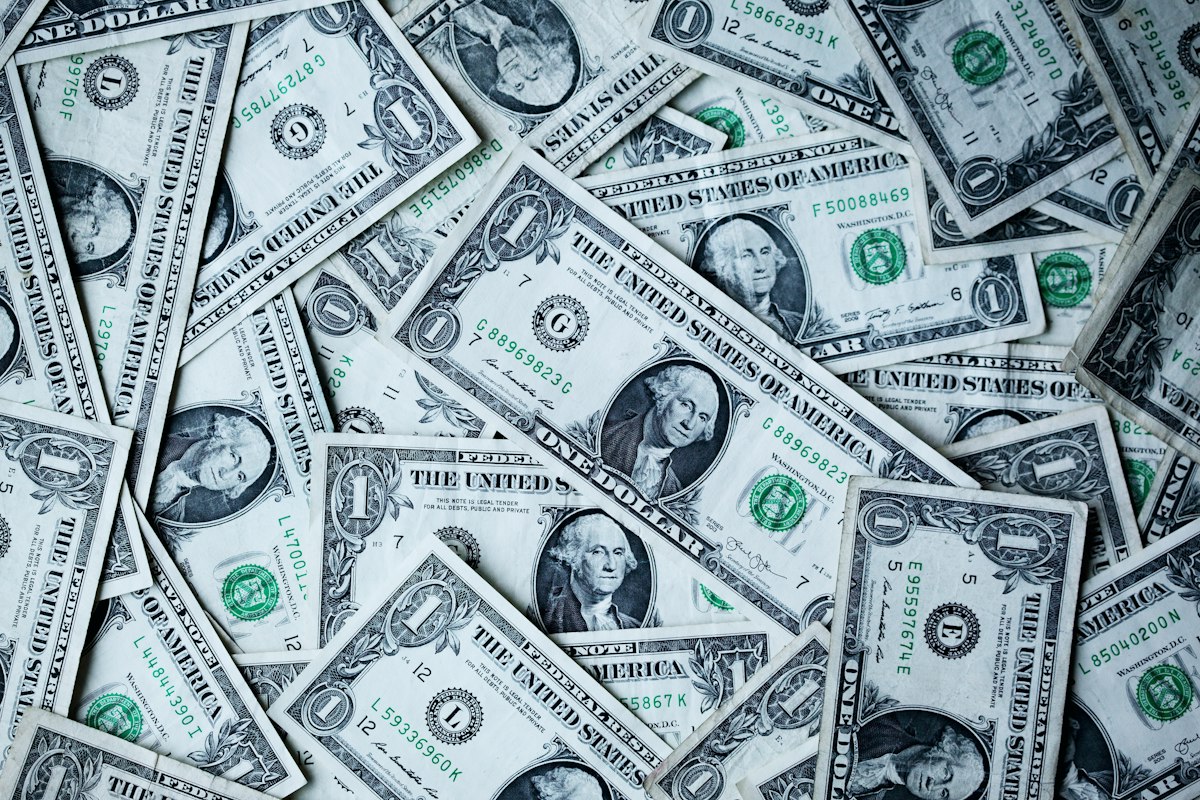
One of the most immediate channels through which a tighter Fed policy travels around the world is the dollar.
Industry Impact & Strategic Analysis
Higher U.S. rates support the greenback while putting pressure on other currencies, as major assets such as oil and natural gas as well as agricultural commodities are priced in dollars.
That "does create stresses around the world," Zandi said, particularly for economies whose currencies or monetary policies are closely tied to U.S. rates.
Japan is one market in focus. A weaker yen could add to the case for further tightening by the Bank of Japan, he elaborated. "It does put pressure on Japan to continue to follow suit and raise interest rates as well," he said.
Forward Outlook & Market Perspective
Navin Saigal, BlackRock's head of global fixed income for Asia Pacific, echoed that the market's hawkish interpretation of the Fed meeting "may put some pressure on Asian currencies and bond markets in the near term."
Currency weakness can also complicate central banks' inflation fight by raising the local-currency cost of imported goods.
That comes as oil prices have already risen sharply due to the Middle East conflict, risking higher energy costs, weaker currencies and elevated interest rates combined for some economies.
The Fed's shift also comes as some major developed-market central banks are in the process of tightening policy.
The European Central Bank raised rates by 25 basis points last week, while J.P. Morgan Asset Management expects the Bank of Japan to increase rates by a quarter point this week.
"Developed market central banks are in sync with tightening monetary policy to address inflation concerns," said Tai Hui, APAC chief market strategist at J.P. Morgan Asset Management.
Reporting synthesized and verified under Nexvoro.tech editorial guidelines. Full primary records referenced via CNBC World & Geopolitics.
Reporting synthesized under Nexvoro.tech Editorial Standards • Referenced via CNBC World & Geopolitics
Verified Dispatch