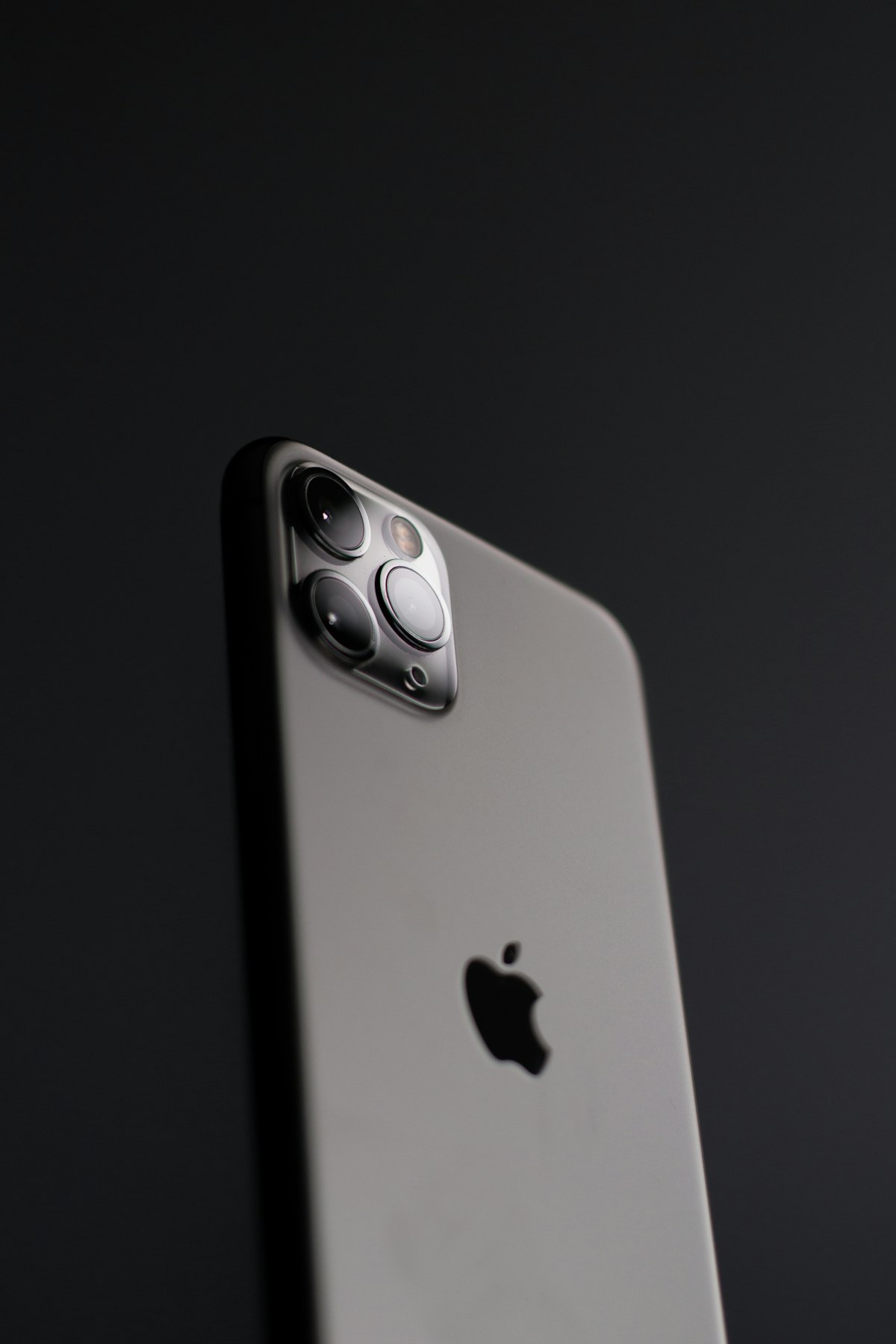
As Apple rolls out its groundbreaking iPhone Handoff functionality allowing a single phone number across dual devices, telecom titan AT&T notably abstains from carrier support. This omission leaves millions of subscribers wondering about the future of multi-device management.
By Nexvoro Tech Wire
PUBLISHED THU, SEP 24, 2026 10:49 AM UTC • 7 MIN READ
The Dawn of Multi-Device Cellular Integration
The technological landscape of mobile connectivity is shifting dramatically following the rollout of Apple's iOS ecosystem updates, introducing a long-awaited capability that allows users to manage a single mobile telephone number across two separate iPhones simultaneously. Industry analysts and tech enthusiasts have closely monitored the progression of this feature, often referred to in technical circles through various integration frameworks like iPhone Handoff in iOS 27. The ability to seamlessly sync voice, data, and messaging infrastructure between primary and secondary handsets represents a massive leap forward for power users, field professionals, and gadget enthusiasts who have long desired a unified mobile identity without the friction of traditional SIM card swapping or call forwarding gymnastics.
Publications such as MacRumors, Engadget, and Gizmodo have detailed the intricate mechanics behind this cross-device synchronization, noting that it will likely incentivize a specific segment of nerds and tech-savvy consumers to carry two iPhones concurrently. The operational appeal is unmistakable: carrying a compact device for daily transit and a larger productivity-focused handset for heavy media or corporate workflows, all while maintaining absolute continuity of incoming calls, SMS, and data streams. Yet, the realization of this hardware-agnostic dream relies heavily on back-end cellular network architecture, placing telecommunication carriers squarely in the driver's seat regarding feature adoption and service deployment.
Carrier Integration Realities and Market Discrepancies
Despite the clear consumer demand for unified mobile management, the rollout of carrier support has highlighted deep operational divides within the telecommunications sector. Major network operators have approached the technical hurdles of sharing a single Mobile Station International Subscriber Directory Number (MSISDN) across multiple unique hardware IMEIs with varying degrees of enthusiasm and engineering readiness. While competing carriers have moved swiftly to integrate the necessary back-end provisioning protocols, enabling their subscribers to fully leverage the dual-iPhone ecosystem, notable holdouts have introduced unexpected friction into the consumer experience.
Market observers point out that the implementation requires robust subscriber data management systems capable of handling simultaneous authentications without dropping packets or routing errors. For millions of loyal subscribers, the disparity in carrier readiness transforms what should be a universal software upgrade into a frustrating exercise in network compatibility research. As tech blogs and consumer advocacy forums dissect the fine print of these carrier offerings, the pressure is mounting on lagging telecommunications providers to close the capability gap and meet modern user expectations for fluid, multi-device hardware ecosystems.
The Historical Irony of AT&T's Omission
In a stunning twist of historical irony, AT&T - the very telecommunications carrier that famously held the initial exclusive rights to distribute the original iPhone back in 2007 - is notably absent from the initial roster of networks supporting iPhone Handoff. AppleInsider and other industry watchdogs have highlighted this conspicuous corporate absence, noting the jarring contrast between AT&T's pioneering role in the modern smartphone revolution and its current hesitation to embrace Apple's latest connectivity paradigm. For over a decade and a half, AT&T and Apple forged an intertwined corporate destiny that shaped the mobile internet, making this modern divergence particularly striking to long-time industry analysts.
The decision by AT&T to withhold support for single-number dual-iPhone functionality raises critical questions regarding corporate prioritization, legacy infrastructure modernization, and strategic service packaging. While rival carriers view the feature as a premier value-add to capture high-value consumers, AT&T appears to be taking a cautious, conservative approach to network resource allocation. This strategic divergence leaves many wondering whether technical debt, billing system complexities, or monetization concerns are driving the carrier's reluctance to adopt a feature that is rapidly becoming a benchmark for modern mobile productivity.
Consumer Impact and Future Outlook
For everyday consumers and enterprise users caught in the crossfire of these carrier policies, the current landscape requires careful navigation of upgrade paths and service agreements. Subscribers utilizing unsupported networks are currently forced to choose between remaining with their preferred carrier and missing out on advanced multi-device capabilities, or initiating the cumbersome process of porting their numbers to competitive networks that have fully embraced the new standard. This friction threatens to trigger notable subscriber churn as power users vote with their wallets, migrating toward telecommunication partners that offer uninhibited access to Apple's latest software innovations.
Looking ahead, the market pressure on holding-out carriers like AT&T is expected to intensify as adoption rates climb among early adopters and tech-focused demographics. As competitor networks market their seamless dual-iPhone integration as a key differentiator, consumer advocacy groups and tech journalists will continue to spotlight these connectivity barriers. Whether AT&T and other hesitant carriers will capitulate to consumer demand and invest the necessary capital into their back-end provisioning systems remains one of the most closely watched storylines in the contemporary telecommunications sector.
Reporting synthesized under Nexvoro.tech Editorial Standards • Referenced via Google News US Technology
Verified Dispatch