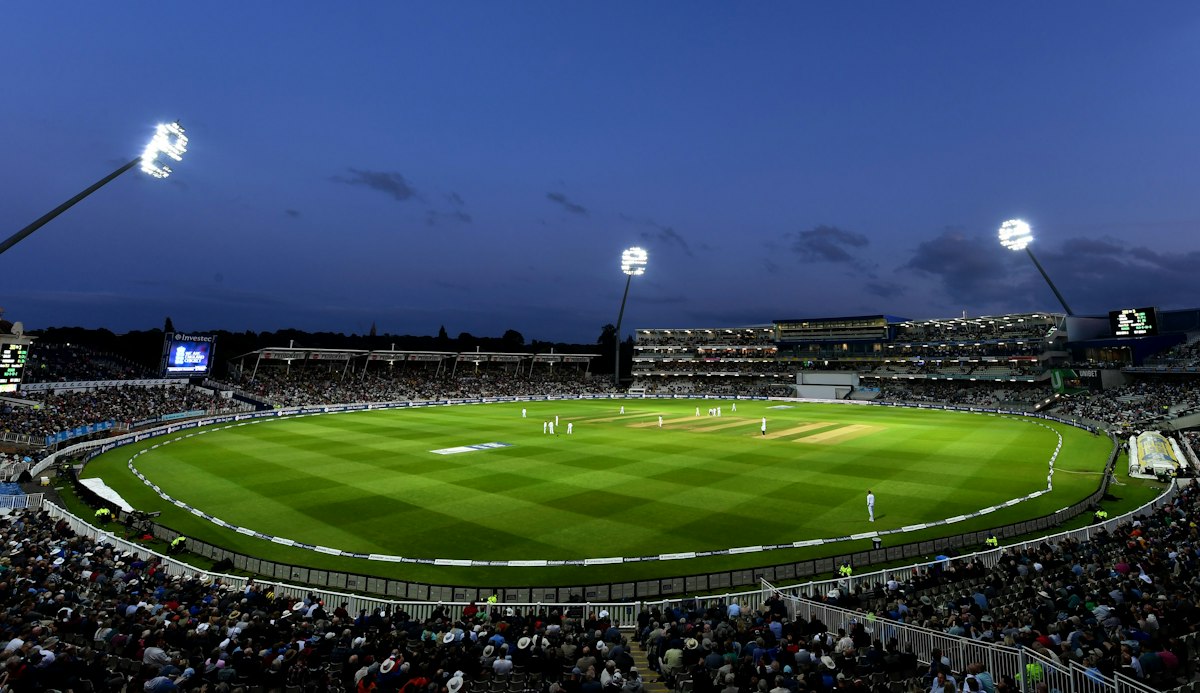
A high-stakes Week 2 matchup between the Cleveland Browns and the Tampa Bay Buccaneers faces an unprecedented weather suspension with the Browns leading 23-19 in the fourth quarter. The delay has ignited national discussion regarding NFL protocol and the potential threshold for weather-related records.
By Nexvoro Trends Wire
PUBLISHED SUN, SEP 20, 2026 9:35 PM UTC • 6 MIN READ
A High-Stakes Gridiron Battle Plunges into Uncertainty
The anticipation surrounding the Week 2 NFL matchup between the Cleveland Browns and the Tampa Bay Buccaneers reached a fever pitch across national sports networks and digital platforms, dominating Google Trends US with over 100,000 active searches. As fans and analysts tuned in for what promised to be a defining early-season litmus test, the contest lived up to its billing through three and a half quarters of intense, physical football. Both rosters executed precise game plans on foreign turf, navigating high-pressure defensive stands and explosive offensive series that kept the audience on the edge of their seats.
Yet, as the game entered its critical closing moments, Mother Nature intervened, casting an abrupt shadow over Raymond James Stadium. The contest was forced into a sudden weather delay due to severe lightning activity in the immediate area. According to live reporting from the Akron Beacon Journal and Bleacher Report, the timing of the suspension could not have been more dramatic, halting momentum just as both teams prepared for the stretch run. The abrupt halt left players, coaching staffs, and millions of viewers worldwide in a state of suspended animation, waiting anxiously for the skies to clear.
The Fourth-Quarter Landscape and Baker Mayfield's Charge
Before the referee's whistle blew to suspend play, the Cleveland Browns had carved out a hard-fought 23-19 lead against the Buccaneers. The narrative of the afternoon heavily centered around quarterback Baker Mayfield, who faced off against his former franchise in a narrative-rich showdown that captured the attention of sports writers and analytics desks alike. Cleveland's defense had managed to stifle key Tampa Bay drives throughout the second half, while the Browns' offensive unit executed timely conversions to stay ahead on the scoreboard, as highlighted by continuous updates from FOX 8 News and Dawgs By Nature.
The competitive margin of four points meant that every single possession in the fourth quarter carried immense weight. Buccaneers coach Todd Bowles and his staff were in the midst of drawing up critical adjustments to mount a late-game comeback when stadium operations mandated the evacuation of the field. The psychological toll of an extended lightning delay introduces unique variables for elite athletes, shifting the challenge from physical execution to mental endurance as locker rooms brace for an indefinite pause.
Navigating NFL Weather Protocols and Historical Precedents
As the minutes ticked away during the stoppage, sports media outlets including Yahoo Sports and The New York Times began examining the league's stringent weather delay policies. Under NFL guidelines, any lightning strike within a designated eight-mile radius of the stadium triggers an automatic 30-minute delay, with the clock resetting upon every subsequent strike detected by advanced meteorological monitoring systems. This protocol has occasionally led to notoriously lengthy game days that test the patience of broadcasters and fans alike.
Industry analysts and statisticians quickly pointed out that the duration of this specific suspension has the potential to threaten the NFL's all-time weather delay record. As documented by Reuters and Athlon Sports, historical precedents for lengthy meteorological interruptions have occasionally forced games to stretch late into the night or, in rare instances, required resume-the-next-day protocols. The league office remains in constant communication with local meteorologists and venue security to ensure that player and spectator safety is prioritized above all scheduling concerns.
Logistics of Resumption and League-Wide Ripple Effects
Logistical challenges loom large as the NFL office and stadium officials evaluate the safest window to resume play. Ground crews, broadcasting partners, and stadium security must synchronize their efforts to restart the contest safely once the National Weather Service gives the all-clear. For the Cleveland Browns, the primary objective is maintaining their competitive edge and physical readiness despite sitting idle in a climate-controlled locker room for an extended period.
Meanwhile, the Tampa Bay Buccaneers are utilizing the unexpected intermission to regroup, heal minor bumps and bruises, and recalibrate their strategy for the final defensive stops and offensive drives needed to overcome the four-point deficit. Win or lose, the implications of this Week 2 thriller will reverberate across the league standings, shaping the narrative arcs of both franchises as they navigate the rigorous 18-week NFL schedule under the watchful eye of national sports media.
Reporting synthesized under Nexvoro.tech Editorial Standards • Referenced via Google Trends US (100K+ searches)
Verified Dispatch