A pivotal and hotly contested pass interference call upended the final moments of a thrilling fourth-quarter matchup, ultimately paving the way for Bo Nix and the Denver Broncos to secure a dramatic win. The decision ignited immediate debate among analysts and left the Los Angeles Rams fighting an uphill battle against time.
The Fateful Fourth-Quarter Flag
With just under a minute remaining in regulation, rookie sensation Bo Nix lunged across the goal line with 47 seconds left on the clock to put the Denver Broncos on top. This score marked the third lead change of a wild fourth quarter, sending shockwaves through the stadium and the television broadcast booths alike. However, the Los Angeles Rams walked away from the gridiron with profound and valid reasons to believe their opposing quarterback should never have been in position to execute that game-winning maneuver in the first place.
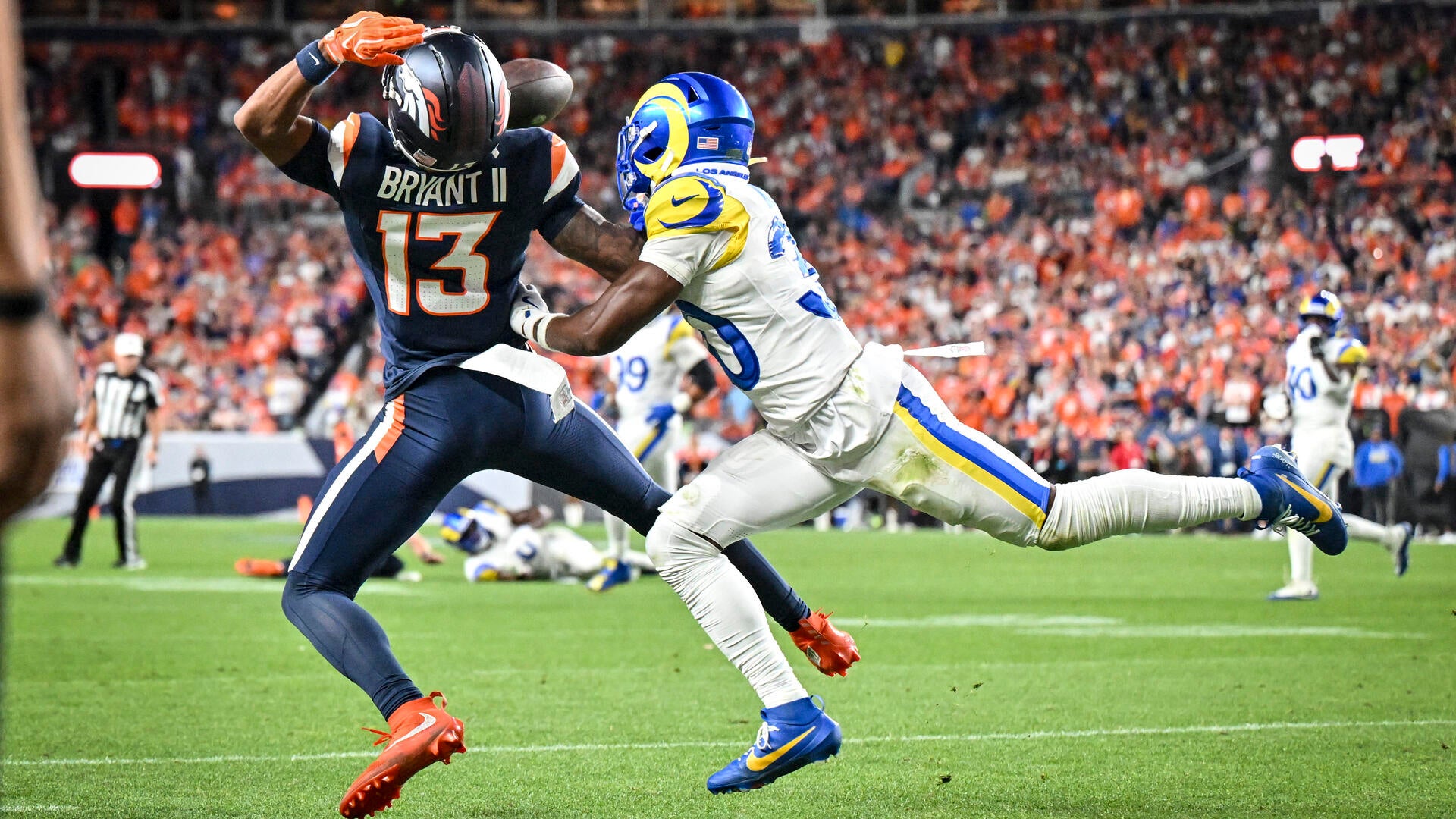
A highly controversial pass interference penalty earlier in the fateful possession completely altered the strategic trajectory of the game. Facing a daunting third-and-6 from the Rams' 11-yard line, Nix lofted a short pass toward wide receiver Pat Bryant along the right sideline. Amidst heavy, mutual contact, Rams cornerback Josh Wallace made a tremendous, athletic play on the football to haul it in, secure both feet firmly in bounds, and complete a textbook interception that appeared to seal the defensive stand.
Yet, before the celebration could even begin on the Los Angeles sideline, an official threw a yellow flag for pass interference against Wallace. The penalty not only completely negated the game-changing turnover but also instantaneously gifted the Broncos a fresh set of downs with a first-and-goal directly on the doorstep of the end zone. The subsequent extension of the drive directly enabled the game-winning touchdown sneak that ultimately stood as the decisive margin on the final scoreboard.
Dissecting the Gray Area of Coverage
The officiating crew ultimately penalized Wallace for pass interference, a judgment seemingly triggered by the fact that he maintained one hand on Bryant while the airborne ball traveled downfield. The on-field officials determined that this physical interaction constituted enough contact to disrupt Bryant's natural ability to make a play on the ball. Nevertheless, a meticulous, frame-by-frame examination of the play reveals a vast and heavily debated gray area in how that specific rule is interpreted in high-pressure NFL moments.
While Wallace undoubtedly made physical contact with the receiver, sharp observers and television analysts questioned whether the interaction was forceful enough to genuinely impact the trajectory of the play. Replays suggested that Bryant may have embellished the extent of the contact as the ball approached his hands. Furthermore, independent broadcast analysis highlighted that Bryant had actually initiated simultaneous contact with Wallace by grabbing onto the defensive back's shoulder pads just as the route developed.
Weighing in on the controversy during the broadcast, respected NBC rules analyst Terry McAulay offered a definitive critique of the officiating decision. "We actually see the receiver grab the defender and pulling on him. I don't see the defender do anything that significantly hinders the receiver on this play," McAulay stated live on air. "There's hands on him, but he doesn't do anything with them." McAulay's expert assessment underscored why the call felt so jarring, as a clean interception was erased in favor of an extended drive.
The Final Inches and Defensive Resilience
It took the Broncos six additional snaps following the disputed penalty to advance the remaining 7 yards necessary to cross the goal line and punch in the go-ahead touchdown. Even deep inside the red zone, Denver nearly stalled out and almost had to settle for a game-tying field goal attempt that would have prolonged the contest. However, another critical infraction - an illegal use of hands to the face penalty called against the Rams on a third-and-goal from the 5-yard line - handed the Broncos yet another fresh set of downs at the 2-yard line.
Capitalizing on the extra opportunities, Nix finally punched the ball across on a third-and-goal quarterback sneak from approximately one inch outside the end zone. To their immense credit, the Rams nearly pulled off a miraculous victory despite having their backs firmly against the wall. With only 47 seconds left to traverse the length of the field, the Los Angeles offense picked up massive chunk yardage through completions of 19, 14, and 20 yards via clutch throws from star quarterback Matthew Stafford.
Unfortunately for Los Angeles, the dramatic comeback bid ended on the absolute final play of the game when Stafford threw an interception deep in the end zone. It marked Stafford's second turnover of the quarter, both secured by alert Broncos safety Talanoa Hufanga, extinguishing the Rams' last-gasp efforts and securing Denver's hard-fought triumph.
Alternate Realities and Strategic Fallout
Without the intervention of the disputed pass interference flag, the entire landscape of the game's final two minutes would have looked radically different. Denver likely would not have taken the lead in that fashion, and the Rams would have taken over possession holding a 26-23 advantage with only 1:09 remaining on the game clock. While the Broncos still held three timeouts and could have forced a punt with a stellar defensive stand, executing a game-winning touchdown drive under those tight constraints would have required monumental heroics.
In that hypothetical scenario, a routine field goal to send an intense matchup to overtime stood as a far more probable statistical outcome. All Los Angeles genuinely required to seal the victory was a single first down to drain the remaining clock. Instead, the officiating crew's decision forced the Rams' exhausted defense right back onto the field while precious seconds drained away, allowing the Broncos to put up an insurmountable numerical advantage.
As the league continues to scrutinize officiating consistency, games decided by interpretive judgment calls in the secondary will undoubtedly remain a central talking point for coaches, players, and analysts. For Denver, the victory goes into the record books as a testament to capitalizing on fortune, while Los Angeles is left to ponder what might have been if the flag had stayed tucked away in the official's pocket.
Reporting synthesized under Nexvoro.tech Editorial Standards • Referenced via CBS Sports Headlines
Verified Dispatch