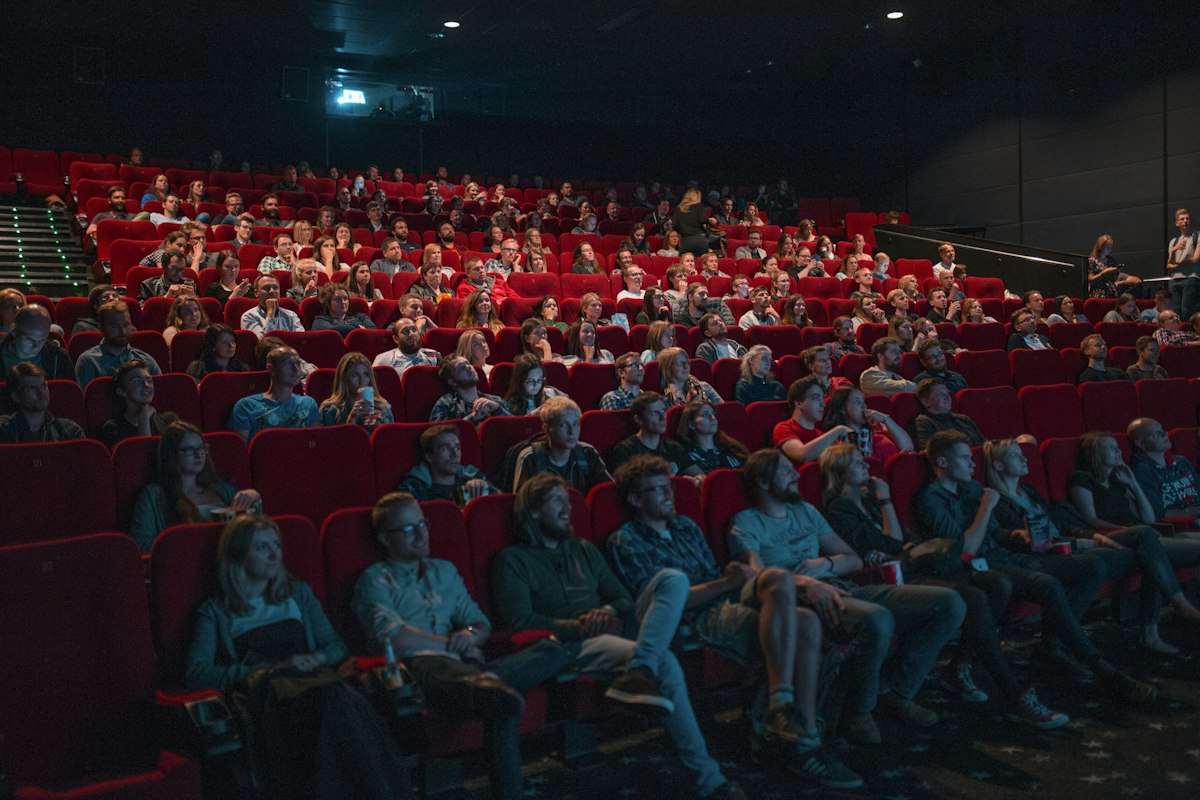
Following a prolonged two-year hiatus and several abandoned developmental false starts, hosts Carolina Hidalgo and Marcus Parks have officially launched the fourth season of their acclaimed music history podcast, 'No Dogs in Space.' Titled 'Punk 2.0,' the new installment opens with an in-depth examination of the New York Dolls.
By Nexvoro Tech Wire
PUBLISHED SUN, SEP 20, 2026 9:37 PM UTC • 7 MIN READ
The Highly Anticipated Return of 'No Dogs in Space'
For enthusiasts of obsessive, deep-dive music history, the landscape has felt somewhat sparse over the last two years. Back in August, followers of the medium mourned the stark reality that there hadn't been a single new episode of the fan-favorite podcast 'No Dogs in Space' in over twenty-four months. Little did the audience know, hosts Carolina Hidalgo and Marcus Parks were quietly laying the groundwork for a triumphant comeback. This week marked the official premiere of season four, subtitled 'Punk 2.0,' bringing the creators back to the platform with renewed creative vigor.
The inaugural episode of the new season focuses on the New York Dolls, a subject particularly close to home for fans and creators alike. As a native Staten Islander - the historic home of iconic frontman David Johansen - the choice of subject matter strikes a deeply personal chord. The selection of the New York Dolls signals a distinct tonal alignment with what listeners have come to adore about the show's meticulous, narrative-driven approach to rock and roll history.
Getting Back to Basics and Punk Roots
When conceptualizing the trajectory for season four, Hidalgo and Parks ultimately decided it was time to strip away the sprawling complexities of past seasons and get back to basics. A primary driver behind this creative pivot was the realization that punk rock remains the genre where their collective passion and analytical expertise burn the brightest. Marcus Parks candidly noted during development that while they toyed with wildly ambitious concepts - such as potentially dedicating an entire series to classical icon Beethoven - they quickly recognized their core strengths.
"We wanted to go all over. I wanted to do Beethoven at one point," Parks explained, before acknowledging the realities of their production style. "We realize like what we do best is tell a punk story, right? Not the punk story, but a punk story." Beyond personal affinity, the duo observed that punk and adjacent genres simply house the most compelling narratives. Following the exhausting process of translating complex German texts into English for their previous experimental rock series, they humorously concluded that the true beating heart of music history often boils down to "art school kids fucking around."
Navigating False Starts and the DC Punk Dilemma
Bringing 'Punk 2.0' to fruition was far from a straightforward journey, with the two-year delay largely stemming from a series of high-profile false starts in the writer's room. Early in the developmental pipeline, the hosts firmly intended to dedicate their primary focus to the legendary DC punk scene. Hidalgo revealed that they poured over six months of intensive research into the project, initially mapping out a launch centered around the influential band Bad Brains.
However, historical deep dives often unearth uncomfortable realities. "And then we look into them," Hidalgo shared, noting that the band's ideological stance proved deeply problematic. "They're like, incredibly homophobic. Like, fire and brimstone… A lot of No Dogs bands like, they're problematic, but that was like a really tough one to focus on." In an effort to salvage the geographic focus, the pair attempted to expand the scope to cover the broader Washington, D.C. music ecosystem - a strategy Hidalgo dryly warns fellow creators to "never do that."
Untangling the Web of Musical History
As the scope expanded, the production encountered massive logistical hurdles. Parks detailed how the research "just kept swelling larger," drawing in foundational local elements that defied clean categorization, such as Chuck Brown and the emergence of go-go music. The narrative web grew so intricate that the hosts even mused about Georgetown University's historic WGTB radio station deserving an exhaustive standalone multi-part series of its own.
Ultimately, the sheer breadth of the regional history proved unmanageable. "When you try to put all of them together, you can't. You just can't put all of these stories together," Parks admitted, reflecting on the arduous eight-month endeavor before they "eventually had to admit defeat." Fortunately, rigorous research rarely goes to waste in expert hands; the extensive DC explorations successfully yielded a standalone two-part series dedicated to Link Wray, slated to premiere later this year.
Rabbit Holes, Sidequests, and Unexpected Discoveries
True to the signature style that defines every season of 'No Dogs in Space,' a significant portion of the entertainment value stems from the eccentric sidequests and historical rabbit holes Parks and Hidalgo naturally stumble down. While constructing the current narrative arc on the New York Dolls, Hidalgo found herself unexpectedly captivated by the rich, winding history of Mott the Hoople, a band globally recognized for their David Bowie-penned anthem "All the Young Dudes."
Unearthing the human element behind iconic tracks is a hallmark of the show. Hidalgo highlighted the remarkable trajectory of lead singer Ian Hunter, noting that he "was just a guy digging ditches. And then he got a call from a friend who said, 'Hey, there's a band, and like, they're not very good, and they need a new lead singer,' and so he just showed up." Hunter's enduring legacy extends far beyond his initial tenure, notably penning "Cleveland Rocks," which later found new life when covered by The Presidents of the United States of America as the beloved theme song for 'The Drew Carey Show.'
Reporting synthesized under Nexvoro.tech Editorial Standards • Referenced via The Verge
Verified Dispatch