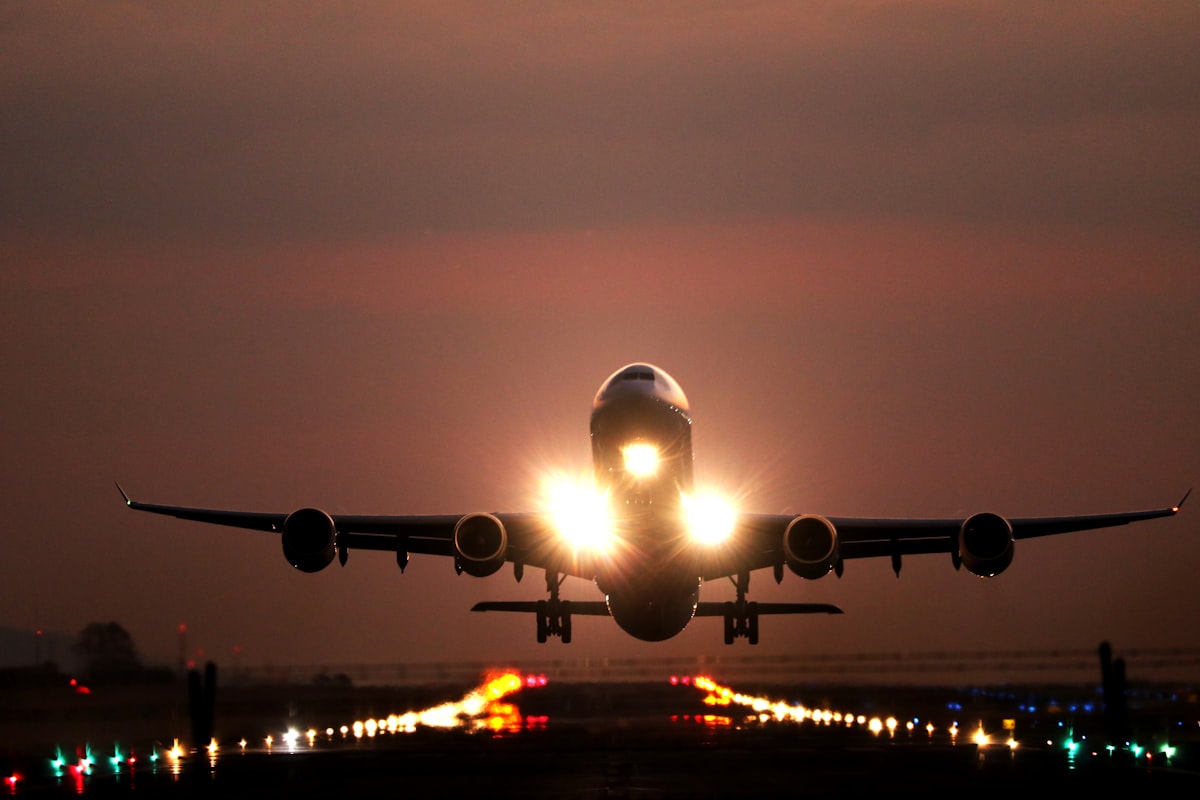
A Boston-bound Delta Air Lines flight was forced to make an emergency landing in Porto, Portugal, on Sunday after unverified fumes filled the cabin. Three passengers and two crew members received medical evaluation, marking the second such odor-related incident for the carrier in a single week.
By Nexvoro Tech Wire
PUBLISHED TUE, SEP 29, 2026 6:08 AM UTC • 6 MIN READ
Unscheduled Diversion Over the Atlantic
A routine transatlantic journey from Spain to Massachusetts took an alarming turn on Sunday when Delta Air Lines Flight 251, traveling from Barcelona to Boston, was forced to execute an immediate emergency diversion. According to official statements released by airline representatives, the aircraft was forced to alter its course mid-flight after a mechanical issue manifested as hazardous fumes inside the passenger cabin. The sudden shift in itinerary brought the wide-body airliner down at Porto Airport in Portugal, where local emergency infrastructure was immediately mobilized to handle the unexpected crisis.
Flight tracking data supplied by FlightAware reveals that the aircraft initially lifted off smoothly from Barcelona-El Prat Airport at approximately 3:15 p.m. local time. However, the situation deteriorated over the European airspace, resulting in the aircraft touching down on the tarmac in Porto three hours and 44 minutes after its initial departure. The abrupt interruption left hundreds of international travelers stranded abroad while aviation authorities and airline logistics teams scrambled to coordinate alternative travel arrangements for the impacted passengers.
Medical Evaluations on the Tarmac
Upon safely landing at Porto Airport, the aircraft was immediately swarmed by local emergency personnel and medical responders stationed on the tarmac to triage any potential health hazards stemming from the cabin environment. Delta corporate officials confirmed that three passengers required subsequent hospitalization for observation and treatment following the exposure. All three hospitalized individuals have since been cleared and officially discharged from medical facilities by Monday, according to updated corporate communications.
In addition to the passengers who required formal hospital admission, internal airline reports indicate that two flight crew members also actively sought medical attention immediately following the emergency landing. While initial reports from the Portuguese newspaper Jornal de Notícias suggested that as many as 14 passengers received medical assessment on the tarmac, local medical authorities could not be reached for immediate independent confirmation of those broader figures. Delta management emphasized that their primary operational focus remains centered on assisting all 283 passengers currently stranded in Portugal to reach their final destination safely.
Corporate Response and Ongoing Investigations
Addressing the operational disruption, Delta spokesperson Grant Myatt issued a formal statement detailing the sequence of events and expressing corporate regret over the severe travel delays. "Delta flight 251 from Barcelona to Boston diverted to Porto, Portugal following a reported mechanical issue," Myatt stated, adding that the flight landed safely while offering sincere apologies to customers for the profound disruption to their travel itineraries as logistical teams work around the clock to secure safe passage to Boston.
Airline representatives reiterated that while smoke, fume, and odor events inside modern commercial aircraft cabins are statistically rare occurrences, they are treated with the utmost seriousness by safety inspectors and corporate leadership alike. Industry experts note that these elusive odors can originate from a wide myriad of mechanical, electrical, or environmental sources within an aircraft's complex auxiliary power and air-conditioning systems, necessitating exhaustive engineering reviews before any affected airframe is cleared to return to active service in the global fleet.
Broader Safety Scrutiny and Fleet Context
This transatlantic scare arrives at a delicate operational moment for the carrier, occurring just days after a separate domestic Delta flight departing Boston's Logan International Airport bound for London was forced to turn around on Thursday night. That earlier departure was similarly aborted following urgent reports of an unverified odor detected onboard the aircraft. While federal and corporate officials confirmed that Thursday's incident occurred on a completely different aircraft type, the back-to-back occurrences have drawn heightened scrutiny toward routine maintenance protocols and environmental control systems across regional and international routes.
Reporting synthesized under Nexvoro.tech Editorial Standards • Referenced via Google Trends US Hot Searches
Verified Dispatch