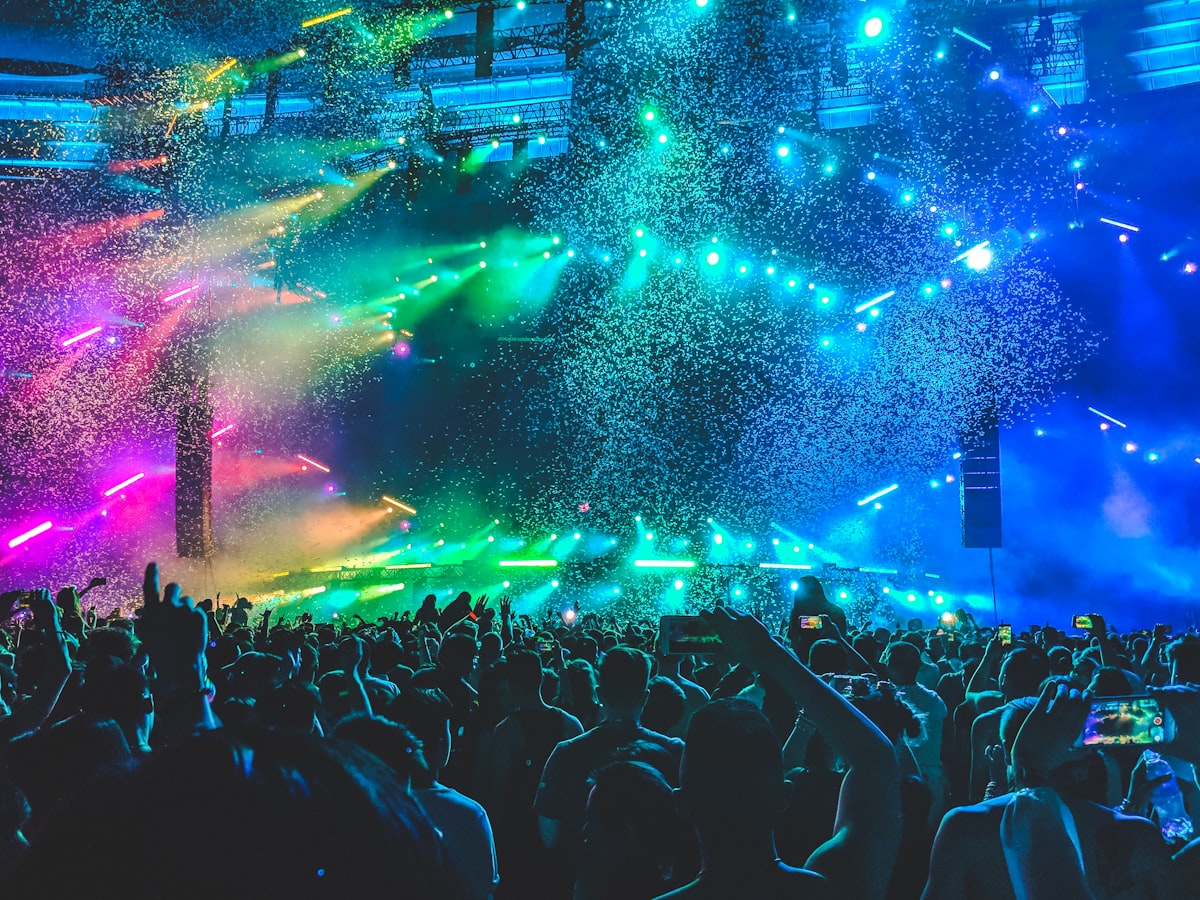
Global pop superstar Ed Sheeran has canceled his high-profile Gillette Stadium concerts as a severe nor'easter bears down on New England, compounding a turbulent three-week stretch defined by political blowback and public relations challenges. The convergence of severe meteorological threats and cultural friction has thrust the tour into unprecedented chaos.
By Nexvoro Tech Wire
PUBLISHED SAT, SEP 26, 2026 11:45 AM UTC • 7 MIN READ
The Impending Nor'easter Forces Last-Minute Cancellations at Gillette Stadium
Global pop superstar Ed Sheeran has officially canceled his highly anticipated Gillette Stadium concerts in Foxborough, Massachusetts, as regional authorities brace for a severe nor'easter threatening the New England coastline. The decision to halt the massive stadium productions was made in close coordination with local emergency management and venue executives, prioritizing public safety as heavy gales, torrential rainfall, and coastal flooding warnings take effect across the Boston metropolitan area. Meteorological models indicated that wind speeds and hazardous travel conditions would make staging an event of this magnitude untenable, leaving thousands of ticket holders scrambling.
The abrupt cancellation marks a dramatic climax to what has rapidly devolved into a deeply troubled leg of the artist's ongoing U.S. tour. Promoters and venue officials noted that setting up complex audio-visual staging under hurricane-force gusts and freezing rain posed insurmountable liability and safety risks for both the touring crew and the concertgoing public. As the National Weather Service issued stringent advisories for Boston and surrounding areas, the pragmatic choice to scrap the performances became the only viable path forward for event organizers navigating the severe weather crisis.
Macklemore Controversy and Political Backlash Overshadow Tour Logistics
The weather-related cancellations compound an already volatile environment for the tour, which has encountered mounting headwinds over the past three weeks regarding political commentary and guest artist involvement. The inclusion of rapper Macklemore on select dates and subsequent on-stage remarks sparked intense public debate, drawing sharp criticism from various factions of the fan base. Observers and cultural commentators noted that the intersection of live entertainment and unscripted political discourse has created a precarious operational climate for major touring acts striving to maintain broad commercial appeal.
Industry analysts observing the tour's trajectory point out that contemporary concertgoers increasingly expect entertainment venues to function as politically neutral spaces. When artists or guest performers utilize arena stages to voice polarizing political perspectives, the immediate fallout often manifests as alienated ticket buyers and intense social media scrutiny. Concertgoers interviewed outside regional venues warned that artists risk alienating substantial portions of their core demographic when crossing the threshold from musical performance into overt partisan or geopolitical commentary, complicating the long-term viability of massive stadium tours.
A Turbulent Three Weeks: How the U.S. Leg Went Off the Rails
Examining the macro-timeline of the past twenty-one days reveals a succession of logistical hurdles, public relations missteps, and external pressures that have severely derailed the U.S. outing. What began as a routine stadium sweep across major American markets has transformed into a case study in crisis management for event management teams. From unexpected scheduling adjustments to the compounding friction of cultural controversies, the tour's production apparatus has been stretched to its absolute operational limits.
Entertainment industry experts suggest that the compounding nature of these disruptions highlights the vulnerability of modern live-entertainment business models. With profit margins heavily reliant on uninterrupted multi-night stadium runs, the loss of high-capacity dates due to meteorological emergencies - paired with the softer ticket demand resulting from political alienation - presents significant financial exposure for promoters. As the dust settles in New England, stakeholders are left evaluating the broader ramifications of these incidents on upcoming tour legs and artist brand management.
Navigating the Aftermath: Refunds, Rescheduling, and Industry Fallout
In the wake of the Gillette Stadium cancellations, ticketing agencies and venue administrators have initiated emergency protocols to handle refund requests and evaluate potential rescheduling windows. However, given the tight scheduling constraints of international touring calendars and the winter weather outlook, finding open dates at premier NFL venues remains a daunting logistical puzzle. Fans holding tickets for the affected performances have been directed to official point-of-purchase portals for full refunds, mitigating immediate consumer dissatisfaction.
As the region digs out from the nor'easter, the broader entertainment ecosystem is taking stock of the lessons learned from this tumultuous chapter. Artists and management agencies alike are reassessing their communication strategies, risk mitigation protocols, and weather contingency plans to safeguard against similar disruptions in the future. The events in Boston serve as a stark reminder that even the most commercially successful global superstars remain vulnerable to the unpredictable forces of nature and the delicate dynamics of public sentiment.
Reporting synthesized under Nexvoro.tech Editorial Standards • Referenced via Google News US Entertainment
Verified Dispatch