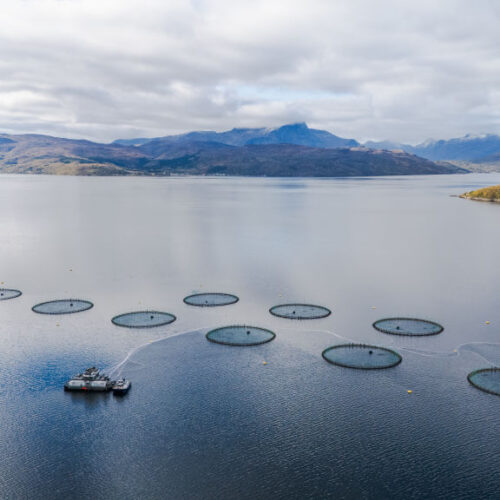
A fundamental shift in the commercial aquaculture diet is quietly diminishing the nutritional profile of farmed salmon, triggering a cascade of concerns across US markets, environmental agencies, and corporate boardrooms.
By Nexvoro Tech Wire
PUBLISHED SUN, SEP 6, 2026 1:08 PM UTC • 5 MIN READ
The Evolving Diet of Modern Aquaculture
For decades, Atlantic salmon has been marketed to American consumers as a premier superfood—a heart-healthy protein rich in omega-3 fatty acids, vitamin D, and essential amino acids. However, recent scientific investigations highlighted by *Ars Technica* reveal a sobering reality: the nutritional composition of commercially farmed salmon is undergoing a steady, quantifiable decline. At the heart of this shift is a fundamental change in what these fish are fed. Traditionally reliant on marine-derived ingredients like wild-caught forage fish (anchovies, sardines, and krill), modern industrial aquaculture has increasingly pivoted toward plant-based feed substitutes, including soy, wheat, and land-animal proteins, driven by the rising costs and ecological limits of ocean harvesting.
While this dietary transition has successfully lowered production costs and mitigated pressure on wild fisheries, it comes with a steep biological trade-off. Marine fish naturally accumulate high levels of long-chain omega-3 fatty acids—specifically EPA and DHA—by consuming microalgae and smaller marine organisms. Substituting these marine lipids with terrestrial plant oils has drastically altered the fatty acid profile of the final product. Consequently, consumers purchasing farm-raised salmon today may be receiving significantly lower nutritional yields than previous generations, challenging the core health propositions that have fueled the industry’s meteoric rise in the United States market.
Market Dynamics and Corporate Resource Allocation
As the scientific consensus solidifies around these findings, the US market and commercial aquaculture sectors are experiencing immediate reverberations. Major seafood distributors, grocery conglomerates, and restaurant chains are beginning to face quiet but mounting pressure from institutional investors and consumer advocacy groups regarding product transparency. Sector analysts note that corporate resource allocation is shifting toward traceability technologies and alternative feed research. Producers are racing to develop novel bio-feeds, such as genetically modified microalgae and insect-based proteins, designed to restore marine nutritional values without increasing the burden on oceanic ecosystems.
Simultaneously, investor sentiment regarding traditional aquaculture portfolios is undergoing a period of recalibration. Capital deployment is increasingly favoring sustainability-certified producers who can prove that their feeding regimens maintain high omega-3 levels while minimizing environmental footprints. Supply chain strategies are also being rewritten to insulate brands from potential regulatory crackdowns and shifting consumer preferences, as health-conscious American buyers demand absolute clarity on nutritional labels.
Environmental and Climate Feedbacks
The implications of this dietary pivot extend far beyond the supermarket seafood counter, creating complex downstream impacts on the environment and global climate systems. While replacing marine ingredients with land-based crops alleviates overfishing in certain regions, it introduces a new set of ecological challenges tied to agriculture. The large-scale production of soy and wheat utilized in aquafeed drives land-use changes, deforestation, carbon emissions, and freshwater depletion. Thus, the aquaculture industry has effectively traded an oceanic crisis for a terrestrial one, complicating corporate ESG (Environmental, Social, and Governance) reporting metrics.
Furthermore, the metabolic efficiency of farmed salmon converting plant-based diets into human-consumable protein remains a point of intense academic and industrial study. Researchers emphasize that optimizing these alternative feeds without compromising fish health, growth rates, or flesh quality requires sophisticated biotechnology and precision feeding systems. Without these technological leaps, the industry risks eroding the very sustainability narrative upon which its future growth depends.
Strategic Outlook and Regulatory Horizons
Looking toward the macroeconomic horizon, stakeholders across North America are bracing for heightened federal regulatory scrutiny and shifting compliance standards. Agencies such as the FDA and NOAA are closely monitoring the evolving composition of aquafeeds and their labeling implications for US commerce. Industry leaders anticipate that future guidelines may mandate clearer nutritional disclosures, compelling producers to adopt rigorous testing protocols.
Ultimately, the path forward for the farmed salmon industry hinges on innovation. Strategic roadmaps for major aquaculture firms now prioritize public-private partnerships with biotech startups to engineer high-yield, nutrient-dense feeds that mimic natural marine diets. As institutional capital and regulatory frameworks align around nutritional integrity and environmental stewardship, the companies that successfully navigate this biological bottleneck will define the next era of global food security and commercial aquaculture.
Reporting synthesized under Nexvoro.tech Editorial Standards • Referenced via Ars Technica
Verified Dispatch