Google is expanding its hardware ecosystem with the launch of Android-powered Googlebooks on October 4, positioning the premium laptops as true competitors to traditional desktop operating systems. The high-end machines feature advanced mobile chipsets, fanless designs, and native application execution starting at an $899 entry point.
By Nexvoro Tech Wire
PUBLISHED MON, SEP 21, 2026 2:27 PM UTC • 7 MIN READ
A New Chapter for Google's Hardware Strategy
Google is ready to take a swing at laptops once again, introducing a fresh hardware paradigm designed to overcome historical limitations in the large-screen market. While the tech giant has achieved massive success in mobile telephony, its previous efforts to parlay that dominance into effective strategies for larger screens have faced structural hurdles. Chromebooks have historically performed well as budget-friendly educational and consumer options, but corporate leadership has seemingly accepted that traditional ChromeOS devices will never directly compete with the entrenched ecosystems of macOS or Windows. Enter the Googlebook: a line of new Android-powered laptops intended to function as 'real' computers, outfitted with premium hardware, on-device applications, and powerful development tools.
Following the initial Googlebook reveal at Google I/O earlier this year, hardware manufacturing partners are now gearing up to bring the devices to market on October 4. The first wave of Googlebooks will be available from several prominent OEMs that have spent years refining Chromebook designs, though consumers should completely recalibrate their pricing expectations. The ecosystem features only one model priced under a grand, with the rest of the lineup positioned well above the $1,000 threshold. This strategic pivot moves Google out of the budget classroom sector and squarely into the lucrative premium notebook arena.
Premium Industrial Design and Cutting-Edge Internal Architecture
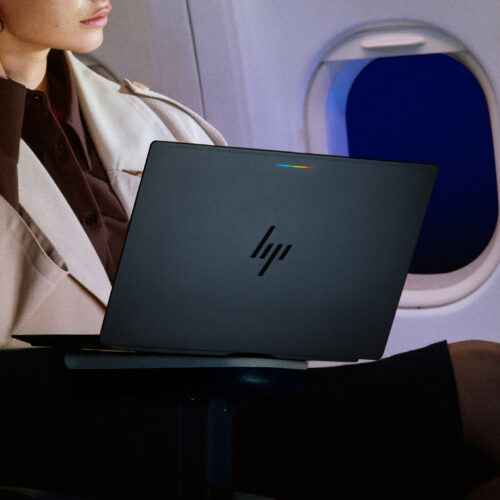
The physical design of the Googlebook family represents a stark departure from the utilitarian plastic and metal composites of past budget machines. Googlebooks feature vibrant OLED screens, robust metal builds, large haptic trackpads, and a distinctive aesthetic signature known as the Glowbar. Every machine in the lineup incorporates this illuminated bar on the lid, which currently serves functional purposes such as lighting up during device boot sequences and displaying real-time battery levels. Google has indicated that it plans to release a dedicated software development kit (API) to allow third-party developers to integrate custom features and notifications into the Glowbar interface.
Beneath the premium chassis, the hardware specifications are tailored for high-performance computing and efficiency. Across the full hardware lineup, Google specifies a standard baseline of 16GB of RAM, with 32GB configuration upgrades available for select models. At launch, these machines will run on either a Snapdragon X Elite or an Intel Core Ultra Series 3 (Panther Lake) processor. Both hardware platforms feature an integrated Neural Processing Unit (NPU) capable of delivering 45 TOPS of on-device artificial intelligence performance. Despite this robust computing power, all launch designs are entirely fanless, promising exceptional thermal management and silent operation alongside rated battery performance of up to 14 hours of continuous video playback and 16 hours of web browsing.
Native Android Integration and Software Stack Overhaul
A major factor contributing to ChromeOS's historic struggle to truly compete with macOS and Windows has been software availability and ecosystem maturity. Google previously attempted multiple iterations to shoehorn local applications into its web-first platform, but those solutions failed to achieve widespread mainstream adoption. According to Google, the primary advantage of starting from scratch with the Googlebook lineup is that these new laptops share the exact same software stack as modern Android smartphones. This architectural alignment ensures that users can run Android applications natively, eliminating the virtual machine overhead and performance quirks historically associated with running mobile apps on conventional desktop operating systems.
Google remains acutely aware of the sordid historical reputation of executing phone applications on desktop personal computers. Historically, utilizing a mobile app designed fundamentally for touch interfaces on a large screen via a keyboard and mouse has resulted in a clunky, disjointed user experience. However, the company asserts that consumers may be pleasantly surprised by the sheer volume of applications currently optimized for laptops within the Google Play Store. The updated Play Store client will explicitly highlight apps and games optimized for larger displays, and Google reports that developers are updating their catalogs at an accelerating pace. Additionally, a dedicated 'desktop-class' version of the Google Chrome browser will come preinstalled on all Googlebooks.
Ecosystem Continuity and Productivity Features
Even with rigorous optimization, these applications remain fundamentally engineered for smartphone utilization, raising questions about whether they can deliver the computational depth and multitasking power expected from a laptop starting at $1,300. On the gaming front, Google points to its internal Level Up program, which is actively working to deliver more experiences tailored for keyboard and mouse inputs. Nevertheless, the total selection of desktop-ready games will not rival the mature ecosystems found on Windows or macOS. To bridge the gap, Google is implementing seamless continuity features between mobile and desktop devices.
Users maintain the flexibility to run mobile applications locally on a Googlebook within dedicated resizable windows, often without requiring a separate installation process. Through the integrated 'Cast My Apps' functionality, applications already installed on a user's Android phone become accessible instantly on their Googlebook. These programs appear within a dedicated application list directly on the laptop interface, empowering users to open, manage, and execute tasks without physically handling their mobile device. The built-in file manager further enhances workflow continuity, creating a cohesive operational bridge between pocket-sized hardware and premium enterprise-grade notebooks.
Reporting synthesized under Nexvoro.tech Editorial Standards • Referenced via Ars Technica
Verified Dispatch