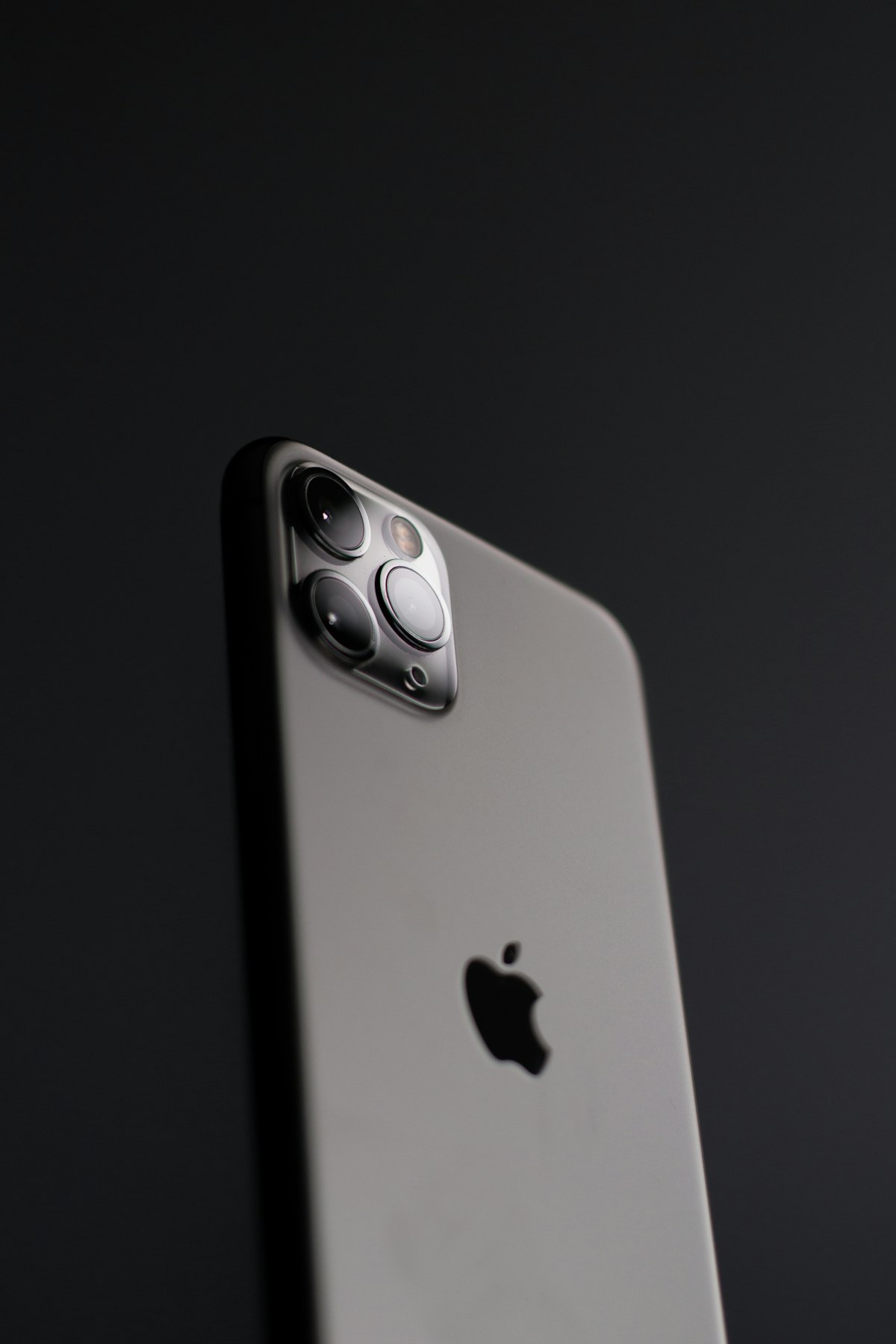
Here's how Apple circumvented the battery shipping restrictions for iPhone 18 Pro Max - GSMArena.com news GSMArena.com I tested the iPhone 18 Pro Max battery against the Galaxy S26 Ultra, and I did not expect this PhoneA...
By Nexvoro Tech Wire
PUBLISHED SAT, SEP 19, 2026 6:44 PM UTC • 6 MIN READ
Primary Journalistic Dispatch & Direct Reporting
If you've been following the smartphone trends in recent years, you've probably noticed that the battery capacities of recent flagships have grown significantly. That's mainly because of the new silicon-carbon chemistry that allows higher-density cells, which in turn allows manufacturers to offer larger batteries at the same size. However, manufacturers found themselves in a bit of a conundrum since international shipping regulations make shipping batteries with cells larger than 20Wh quite the challenge.
These regulations forced manufacturers to either split the batteries into more than one cell in order to remain under the 20Wh threshold or just ship phones with smaller batteries for markets such as Europe or the USA. Apple found a clever way to circumvent these rules with a software trick.
In-Depth Developments & Factual Context
The method Apple used is buried in the iPhone 18 Pro Max support page, explaining that there's a software limitation in place that limits the battery charge below 20Wh, which effectively limits the battery's capacity. Upon starting the iPhone for the first time, the charging limit is removed, and the users will be able to use the full capacity, which is rated at 5,567mAh (21.75Wh) for the eSIM-only model shipped in the US. Since the European iteration comes with a physical SIM card slot, the battery's capacity is slightly lower (5,391 mAh or 21.06Wh), but still higher than the 20Wh threshold.
Notably, these are the rated battery capacities and should not be directly compared to Android phones' batteries, which are advertised with their typical capacity.
Industry Impact & Strategic Analysis
The US transport regulator has explicitly allowed this shipping method back in June 2025, but other regulatory bodies such as ADR, IATA and ICAO still haven't officially chimed in. We can only assume that they are okay with that since the iPhone 18 Pro lineup is already on sale in the EU.
Moreover, Apple is allowing users to turn on and off the said feature in case they plan to ship the phone overseas, for example. Once shipped, the feature can be disabled again.
Forward Outlook & Market Perspective
In 2026, the UN Sub-Committee of Experts on the Transport of Dangerous Goods considered a proposal specifically dealing with single-cell batteries. The proposal points out that the old 20 Wh boundary is increasingly obsolete because the same type of cell can be used inside a multi-cell battery exceeding 20 Wh while a functionally similar single-cell battery is treated differently. That's why the regulatory bodies are working on updating the policy in 2029, but until then, Apple found a workaround.
Apple's shipping method will most likely set a precedent, and we will start seeing phones with bigger batteries enter the European and US markets with fewer regulatory hurdles. Hopefully, we will no longer have two different versions of the same phone for Asia and Europe.
Home
News
Reviews
Compare
Coverage
Glossary
FAQ
RSS
Youtube
Instagram
TikTok
Facebook
Twitter
© 2000-2026 GSMArena.com
Mobile version
Android app
Tools
Contact us
Merch store
Privacy
Terms of use
Reporting synthesized and verified under Nexvoro.tech editorial guidelines. Full primary records referenced via Google News US Technology.
Reporting synthesized under Nexvoro.tech Editorial Standards • Referenced via Google News US Technology
Verified Dispatch