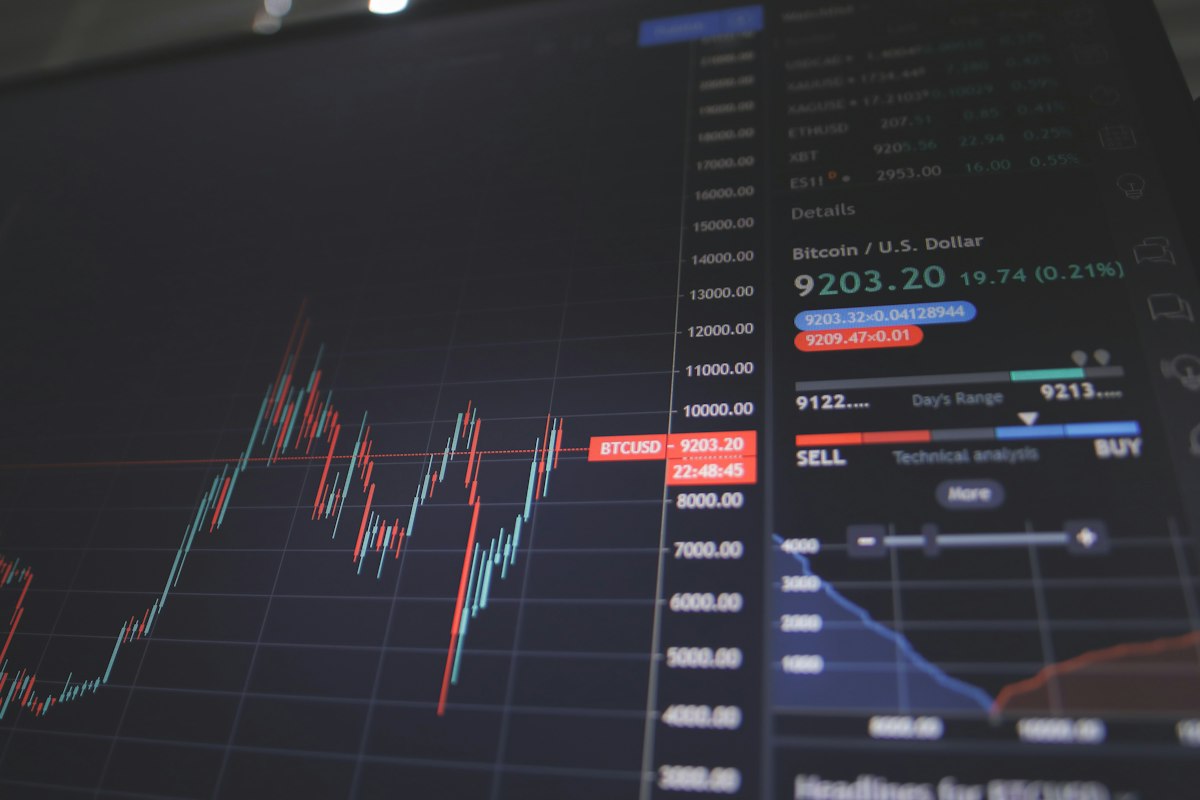
As the 10-year Treasury yield climbs past 5.17%, Wall Street strategists warn that the sheer velocity of the move historically precedes severe market dislocations. Analysts point to vulnerable sectors like regional banks, private credit, and utilities as potential breaking points in a secular bond bear market.
By Nexvoro Tech Wire
PUBLISHED FRI, SEP 25, 2026 11:56 AM UTC • 7 MIN READ
The Velocity of the Move: Why Speed Trumps Absolute Yield Levels
The yield on the benchmark 10-year Treasury note is rapidly climbing to levels not seen in years, sending ripples of anxiety across Wall Street trading desks. However, veteran market observers emphasize that it is not necessarily the outright level of these yields that poses the greatest systemic threat, but rather the alarming speed of the move. When borrowing costs climb at such an aggressive and unyielding pace, financial history dictates that something fundamentally bad tends to happen beneath the surface of the broader economy.
The velocity of the shift was underscored when the 10-year yield experienced its most rapid one-day increase since April 7, 2025. The upward trajectory accelerated further, pushing the benchmark to top 5.17%. This explosive upward surge represents a staggering shift considering that just two weeks prior, the yield was hovering comfortably below 4.8%, and at one point during August, it languished below 4.6%. This sudden compression of financial conditions has left institutional investors scrambling to reprice risk assets across every major asset class.
Historical Precedent: Five Decades of Rapid Yield Advances and Financial Calamities
"Something always breaks," proclaimed a recent analytical note authored by John Roque, head of technical analysis at 22V Research. Roque examined a multi-decade chart of the 10-year Treasury yield spanning the last five decades, isolating 16 distinct historical instances where the market experienced a rapid advance mirroring current conditions. During each and every one of these historical surges, some form of severe financial calamity materialized to disrupt the economic landscape.
While the scale, scope, and immediate market impact of these historical crises varied significantly - ranging from the jarring-but-short-lived Silicon Valley Bank failure of 2023 to the catastrophic global equity rout during the 1987 stock market crash - the underlying mechanism remained constant. The sharp jump in sovereign yields almost unfailingly led to sudden disruptions within financial markets, immediately weighing heavily on risk assets. "As sure as day follows night, when the 10-year Treasury yield rises, something gets knocked out," Roque remarked during an interview with CNBC. "It just pays to be cautious."
The Transmission Mechanism: Unraveling Borrowing Costs and Fragile Leverage
The 10-year Treasury yield serves as the foundational benchmark for borrowing costs across the entire domestic and global economy. Everything from residential mortgage rates and corporate debt issuance to sophisticated, highly leveraged hedge fund macro trades becomes inextricably contingent upon a stable 10-year yield environment. When this critical benchmark soars at breakneck speed, it swiftly unravels risky strategic plans deployed by corporations and institutional investors who were banking on prolonged monetary stability.
Pinpointing the exact catalyst that will crack under pressure this time around remains a guessing game, as systemic vulnerabilities are rarely evident until it is definitively too late. Furthermore, the point of failure is not always directly related to borrowing costs on the surface. The historic Dotcom Bubble burst was triggered by a multitude of compounding factors, most notably unrealistic equity valuations for technology businesses generating zero profits, yet higher interest rates ultimately played a decisive role. Similarly, during the devastating housing crisis, rising rates directly exposed lax lending standards by commercial banks as floating-rate borrowers increasingly found themselves unable to service their debts.
Vulnerable Frontlines: Private Credit, Regional Banks, and Utility Laggards
Looking ahead at the current macroeconomic landscape, market traders frequently cite the booming yet notoriously opaque private credit market as a primary vulnerability. Additionally, aggressive artificial intelligence datacenter infrastructure plans - funded heavily by corporate debt, some of which resides off balance sheets - are increasingly viewed as prime candidates for structural breaking points. As capital becomes more expensive, these capital-intensive gambits face severe refinancing headwinds that could test investor patience.
Regional banks will be particularly vital to monitor closely throughout this cycle, Roque believes, arguing that they must perform well for the broader equity market to maintain its foundational footing. The State Street SPDR S&P Regional Banking ETF (KRE) has already tumbled nearly 10% below its recent high watermark, bringing it within a hair's breadth of formal correction territory. Examining past financial mishaps sparked by soaring interest rates, the commercial banking sector is historically punished the hardest when funding pressures mount.
"It is incumbent that the regional banks especially remain firm or have a minimal or not problematic decline," Roque emphasized. "If regional banks continue to go down, and then of course banks in general, you cannot have a strong market. You cannot." Beyond the financial sector, material cracks are already manifesting within defensive equity groups like utilities and homebuilders. Over the preceding week alone, the S&P 500 utilities sector plummeted more than 4%, standing out as the single biggest laggard among the index's 11 major industry groups.
A Paradigm Shift: A Secular Bond Bear Market Takes Hold
"It's taken some work for the bond market to do to convince people that rates are rising because we collectively have been conditioned to believe that rate rises are only temporary, but I think that this is different," Roque explained. He asserts that investors are witnessing a structural regime change - a secular rate rise for bond yields coupled with a painful, multi-year secular bond bear market. "We should be prepared or forewarned that rates are rising and something is going to break," he cautioned.
Echoing these structural concerns, JPMorgan's institutional trading desk released a note advising market participants to closely monitor underlying bond market volatility. The desk stressed that escalating bond volatility typically serves as a much larger, more destructive headwind to equities than the absolute level of the yields themselves. As Wall Street navigates uncharted monetary territory, portfolio managers are being forced to re-evaluate risk parameters as the ticking clock on market stability reaches a critical juncture.
Reporting synthesized under Nexvoro.tech Editorial Standards • Referenced via CNBC Top News
Verified Dispatch