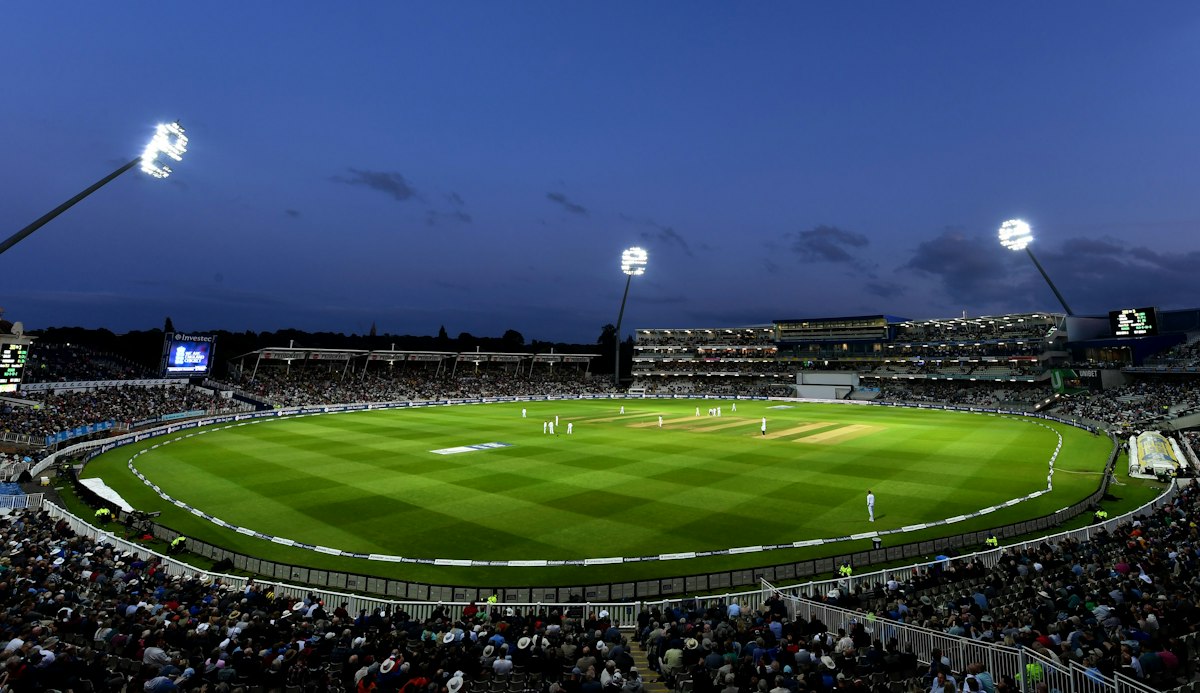
Trailing deep into the contest against a relentless Group of Six contender, the Oregon Ducks avoided a catastrophic Week 1 upset that would have sent seismic shocks through college football's elite hierarchy. This in-depth tactical analysis examines the strategic missteps, roster realities, and broader implications for the expanded 12-team College Football Playoff.
By Nexvoro Trends Wire
PUBLISHED SUN, SEP 6, 2026 7:35 AM UTC • 6 MIN READ
The Autzen Stadium Thriller That Kept the Pacific Northwest on Edge
For nearly four quarters inside a deafening Autzen Stadium, the college football establishment stared directly into the abyss of a historic early-season disaster. The Oregon Ducks, universally anointed as preseason darlings and top-tier contenders for the newly expanded 12-team College Football Playoff (CFP), found themselves locked in a fierce, tactical heavyweight bout against Boise State. When the dust settled on a narrow escape, the final scoreboard told a tale of survival rather than dominance. For a program backed by massive corporate sponsorships, state-of-the-art facilities courtesy of Nike millions, and high-stakes national championship aspirations, the victory felt remarkably like a defeat in the court of public opinion.
Dissecting the Game Dynamics: Where Oregon Floundered
To understand how a powerhouse program nearly fell victim to a Mountain West powerhouse, one must examine the trenches. Boise State deployed a meticulously crafted game plan predicated on establishing a punishing ground game, led by an elite running back corps that repeatedly exploited gaps in Oregon’s front seven. Defensively, the Broncos utilized hybrid coverages that neutralized Oregon’s explosive perimeter passing game, forcing the Ducks into uncharacteristic third-and-long situations.
From a strategic standpoint, Oregon’s coaching staff struggled to adapt to the physical tempo dictated by Boise State in the first half. Offensive pacing—typically the hallmark of the Ducks' modern scheme—stuttered due to early penalties, missed assignments on the offensive line, and an inability to sustain drives. While veteran leadership eventually righted the ship in the final frame, the structural vulnerabilities exposed during the contest will undoubtedly serve as a masterclass blueprint for future Big Ten opponents looking to neutralize Dan Lanning’s squad.
The Group of Six Paradox and the Expanded CFP Stakes
Beyond the immediate win-loss column, this matchup serves as a microcosm of the evolving economics and competitive parity within the new 12-team College Football Playoff era. Under the previous four-team model, a Group of Six program pulling off an upset of this magnitude would have sent shockwaves through the national rankings while effectively ending the loser’s national title hopes on opening weekend.
However, the expanded playoff architecture changes the calculus entirely. For Boise State, a near-miss on the road against a high-profile power-conference opponent validates their viability as a legitimate Group of Six automatic-bid contender or at-large dark horse. It proves that the competitive chasm between elite non-power programs and traditional blue-bloods is narrowing, driven by sophisticated transfer portal utilization, advanced analytics, and elite talent identification that transcends traditional recruiting rankings.
Roster Management, Coaching Adjustments, and the Transfer Portal Era
Modern college football is governed by a delicate ecosystem of NIL (Name, Image, and Likeness) valuation and immediate roster turnover via the transfer portal. Oregon’s roster construction relies heavily on high-priced veteran talent imported from across the country to secure immediate, plug-and-play production. Yet, as Saturday’s game demonstrated, high payrolls and star-studded depth charts do not automatically translate to cohesive chemistry in Week 1.
Coaching staffs across the country are facing unprecedented pressure to integrate disparate units without the benefit of traditional multi-year developmental curves. For Oregon, the defensive lapses and offensive disjointedness highlighted the urgent need for internal leadership to step forward. Head coach Dan Lanning’s post-game adjustments—pivoting toward simplified, high-percentage play-calling and leaning on seasoned playmakers—ultimately averted catastrophe, but the margin for error moving forward has shrunk exponentially.
Market Sentiment, Fan Reaction, and the National Narrative
In the high-stakes world of sports broadcasting, betting markets, and national brand valuation, perception is currency. Prior to kickoff, oddsters had installed Oregon as heavy favorites, reflecting the overwhelming consensus of national pundits who projected the Ducks as conference frontrunners. The sudden tightening of the spread in live betting markets during the third quarter sent ripples through sportsbooks nationwide.
For fans and alumni, the game delivered a stark reality check. The narrative surrounding the program has instantly shifted from unchallenged dominance to cautious optimism. As the season progresses into the grueling gauntlet of conference play, Oregon will need to address its glaring trench deficiencies and execute with surgical precision. For Boise State, the performance elevates their national brand, cementing their status as the gold standard of the Group of Six and putting the rest of the college football landscape on high alert.
Reporting synthesized under Nexvoro.tech Editorial Standards • Referenced via Google Trends US (200K+ searches)
Verified Dispatch