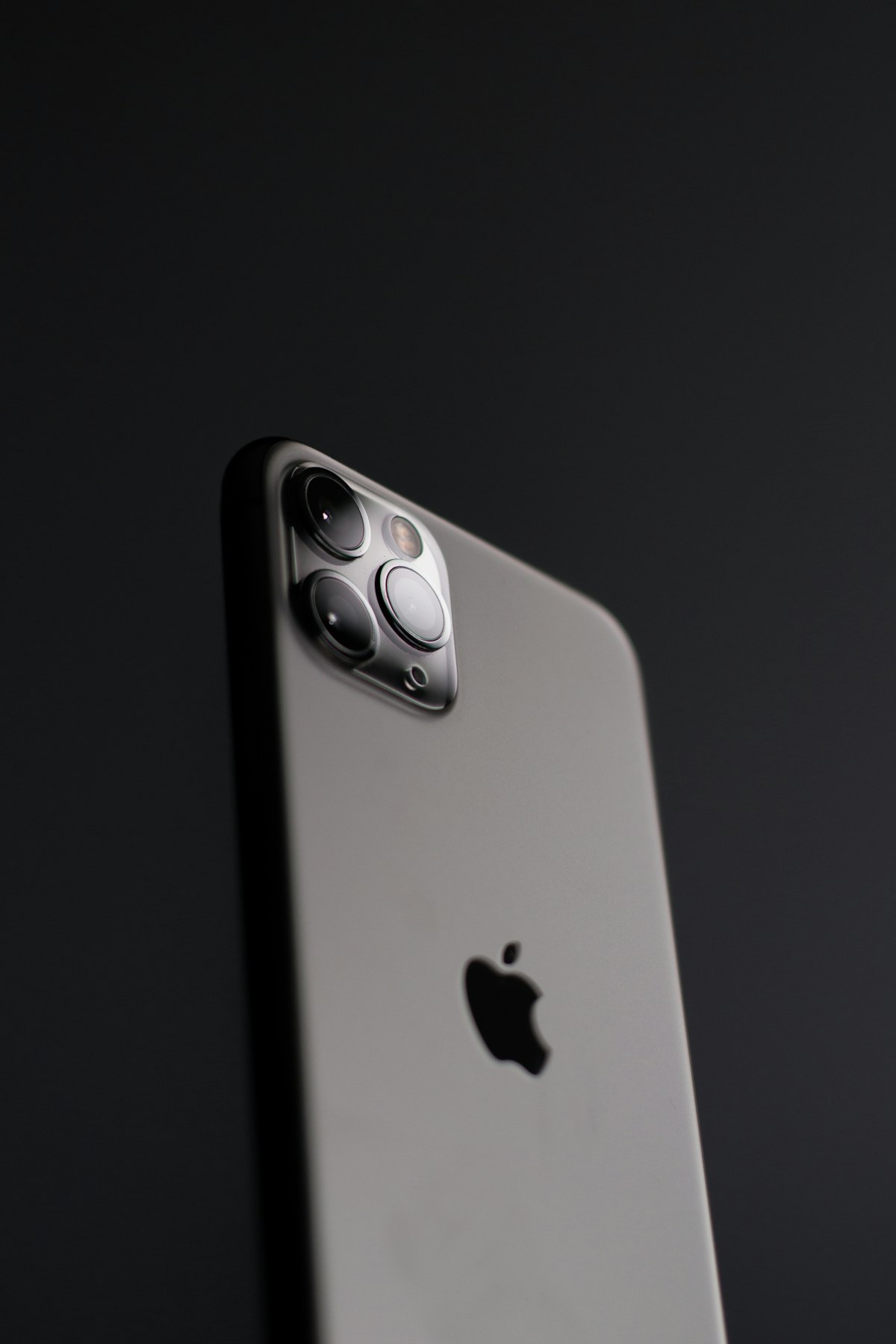
A comprehensive teardown of Apple's latest flagship reveals advanced internal architecture, including the new variable aperture camera system and A20 Pro chip, alongside notable maintenance hurdles. Industry analysts and repair experts unpack the hardware implications for consumers and the tech sector alike.
By Nexvoro Tech Wire
PUBLISHED MON, SEP 21, 2026 7:05 AM UTC • 7 MIN READ
Dissecting Apple's Next-Generation Flagship Architecture
The annual ritual of hardware teardowns has once again offered a revealing look at Cupertino's engineering priorities, as repair advocates and hardware analysts pick apart the newly launched iPhone 18 Pro and iPhone 18 Pro Max. Conducted by premier technical specialists including iFixit and TechInsights, the initial post-launch examinations have mapped out the intricate internal topography of Apple's newest flagship devices. At the core of the iPhone 18 Pro Max architecture lies the formidable A20 Pro system-on-chip, paired alongside the X80 modem and Apple's custom-designed N1 wireless silicon, establishing a powerful baseline for mobile computing performance and connectivity efficiency.
Beyond raw processing power, the teardown spotlight has fallen squarely on the camera array, where Apple has introduced a sophisticated variable aperture system for the first time in an iPhone Pro model. This mechanical optical innovation allows the device to dynamically adjust light intake, bringing DSLR-like depth-of-field control and low-light optimization directly to a pocket-sized form factor. However, housing this complex hardware within an ultra-slim chassis required dense component stacking and precise spatial engineering, immediately signaling to technicians that the internal layout would present unique assembly and disassembly challenges.
The Dual-Tier Strategy: Divergent Hardware Across Pro Models
For the first time in product lifecycle history, hardware analysts at TechInsights and PhoneArena noted a distinct divergence in key components between the standard iPhone 18 Pro and the larger iPhone 18 Pro Max. This strategic segmentation extends beyond mere screen size and battery capacity, introducing subtle internal architectural differences designed to optimize thermal dissipation and power delivery for each specific form factor. Such component differentiation highlights Apple's evolving supply chain and product segmentation strategy, giving consumers distinct performance considerations when choosing between the Pro and Pro Max variants.
Adding to the intrigue of regional hardware variations, subsequent teardown confirmations by AppleInsider revealed a notable geographic discrepancy regarding wireless connectivity. Specifically, US-market versions of the iPhone 18 Pro Max lack Apple's proprietary C2 modem, pointing to complex carrier aggregation requirements, spectrum compatibility, and regional regulatory landscapes. These hardware bifurcations underscore the immense logistical complexity involved in scaling a globally distributed consumer electronics lineup while continuously innovating at the silicon level.
Navigating the Maintenance Maze: Repairability Concerns
While the technological marvels packed inside the iPhone 18 Pro have earned widespread praise from industry reviewers, the physical accessibility of these components has sparked immediate debate. According to iFixit's detailed assessment, the iPhone 18 Pro proves notably tricky to repair, earning a concerning score that highlights the ongoing tension between sleek industrial design and the global Right to Repair movement. The intricate ribbon cables, specialized adhesives, and deeply integrated modular dependencies mean that routine component replacements will likely require expert precision and specialized workshop tools.
The inclusion of delicate mechanical elements, such as the newly engineered variable aperture camera module, further complicates the repair landscape. Precision optical mechanisms require microscopic tolerances, making them inherently more susceptible to damage during third-party interventions or unauthorized disassembly procedures. For enterprise fleet managers, independent repair shops, and everyday consumers alike, these findings emphasize that maximizing device longevity will continue to demand authorized service channels and careful handling.
Market Reception, Economic Impact, and Future Outlook
As retail shelves fill with the new iPhone 18 lineup, Wall Street and technology analysts are closely monitoring how these hardware advancements translate into consumer demand and replacement cycles. The integration of cutting-edge silicon like the A20 Pro, combined with advanced photographic capabilities like variable aperture, provides a compelling value proposition for upgraders looking to future-proof their mobile tech stack. Early sales trajectories suggest strong initial momentum, particularly among photography enthusiasts and enterprise users relying on mobile workflows.
At the same time, the documented repair hurdles serve as a critical talking point for consumer advocacy groups and legislative bodies monitoring electronic waste and product lifespans. As global markets lean increasingly toward sustainable technology practices, manufacturers face mounting pressure to balance breakthrough engineering with modular, consumer-friendly maintenance frameworks. How Apple and competing original equipment manufacturers navigate this delicate balance will profoundly shape the trajectory of premium mobile hardware design in the years ahead.
Reporting synthesized under Nexvoro.tech Editorial Standards • Referenced via Google News US Technology
Verified Dispatch