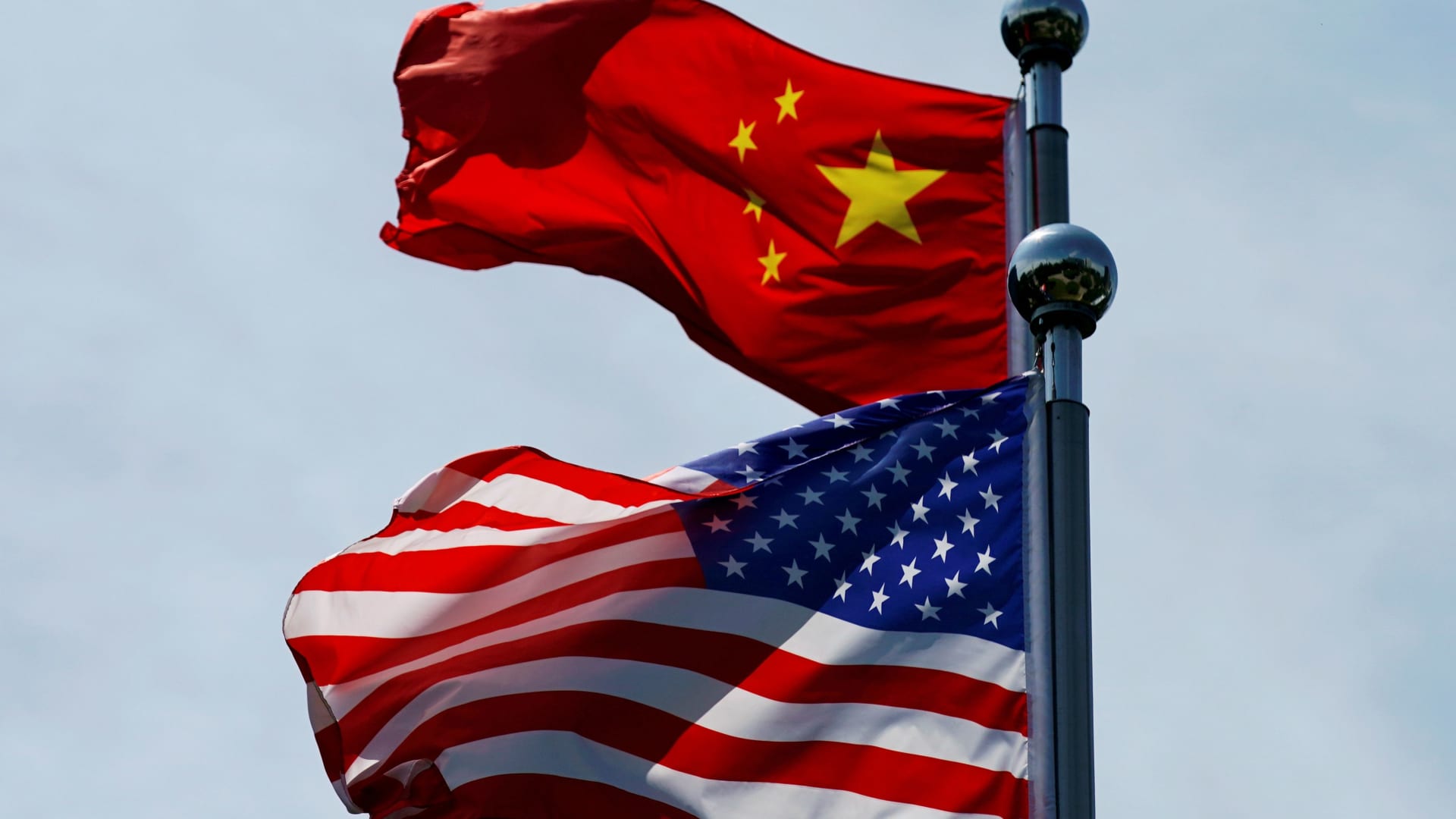
Iranian President Masoud Pezeshkian stated that Washington holds the ultimate decision to conclude the ongoing Middle East conflict, while Chinese leadership presses for immediate de-escalation during bilateral talks. Meanwhile, intensified missile strikes and supply chain disruptions continue to rattle global energy markets.
By Nexvoro Tech Wire
PUBLISHED FRI, SEP 25, 2026 6:11 AM UTC • 7 MIN READ
Tehran Shifts Responsibility to Washington Amid Continuing Hostilities
Iranian President Masoud Pezeshkian has publicly asserted that it is entirely up to the United States to decide whether to bring an end to the ongoing seven-month war in the Middle East. Responding directly to inquiries regarding whether the protracted conflict could reach a resolution by the end of the year, Pezeshkian delivered his remarks during an interview aired Thursday on Fox News. The uncompromising stance from Tehran underscores the deep geopolitical impasse framing the current diplomatic landscape.
The Iranian president's comments arrived against a backdrop of escalating regional violence, highlighted by a coordinated series of missile and drone strikes executed by the Houthis on Friday morning. According to official Saudi authorities, the barrage targeted strategic locations within the kingdom, forcing defense forces to successfully intercept six ballistic missiles. The persistent nature of these aerial incursions has prompted immediate defensive and diplomatic mobilizations across the region.
Heightened Regional Tensions and Military Posturing
In the wake of Friday's aerial assaults, emergency alerts were promptly issued across major Saudi urban and industrial centers, including Mecca, Jeddah, and Yanbu. Recognizing the severity of the threat, military leadership from Saudi Arabia, Turkey, and Pakistan have scheduled an urgent convening of their chiefs of staff. The high-level meeting is designed to formulate coordinated strategies to support the kingdom under the operational framework of the Mecca Joint Defense Agreement.
Simultaneously, President Pezeshkian sought to distance the official Iranian government from the direct escalation in Yemen and Saudi airspace. In his interview, Pezeshkian maintained that "the Houthis are responsible for their own actions" and explicitly stated that Iran is "not at war with Saudi Arabia," adding that the militant group "has their own issues." In stark contrast, Saudi Arabia's Grand Mufti adopted a resolute retaliatory tone, issuing a direct directive instructing troops to be prepared "to lay down their lives" to combat the Houthis until the group is completely ousted from power.
Oil Markets and Maritime Commerce on Edge
The widening theater of conflict has sent immediate shockwaves through international energy corridors, keeping global oil markets under intense scrutiny. Futures for international benchmark Brent crude for November delivery declined by 1% to settle at $93.66 a barrel. Concurrently, U.S. West Texas Intermediate futures for November dropped 0.68%, trading at $105.86 per barrel as traders weigh supply vulnerabilities against broader macroeconomic pressures.
Maritime logistics have experienced even more severe disruptions, particularly within critical geographic choke points. Vessel transits through the Strait of Hormuz - traditionally serving as the maritime transit corridor for roughly one-fifth of the global oil supply - plummeted to just 9 total transits. Preliminary ship-tracking data published by Reuters on Friday confirmed that this volume remains drastically below standard peacetime operational levels, elevating anxieties over global energy security.
High-Level U.S.-China Diplomacy and Economic Leverage
On the diplomatic front, the Middle East conflict has become inextricably linked with broader geopolitical negotiations during the high-stakes U.S.-China summit in Washington. Chinese President Xi Jinping is currently engaged in a three-day state visit to the United States, conducting comprehensive bilateral meetings with President Donald Trump addressing contentious issues ranging from bilateral trade and artificial intelligence to Taiwan and the escalating Iranian conflict.
Zhai Jun, China's special envoy for the Middle East, addressed the diplomatic developments during an event in Singapore. Zhai noted that the regional crisis served as a primary talking point during the leaders' recent discussions, emphasizing that the consensus reached by Washington and Beijing will prove critical to cooling the temperature of the conflict. President Trump has actively sought Beijing's economic and political leverage to pressure Tehran toward a viable settlement.
These diplomatic maneuvers follow the resumption of indirect U.S.-Iran talks held on the sidelines of the United Nation General Assembly in New York. Highlighting potential pathways for economic normalization, Iranian officials have indicated that Tehran could reopen the vital Strait of Hormuz within seven days, provided that Washington initiates the formal easing of its ongoing naval blockade against Iranian ports.
Reporting synthesized under Nexvoro.tech Editorial Standards • Referenced via CNBC Top News
Verified Dispatch