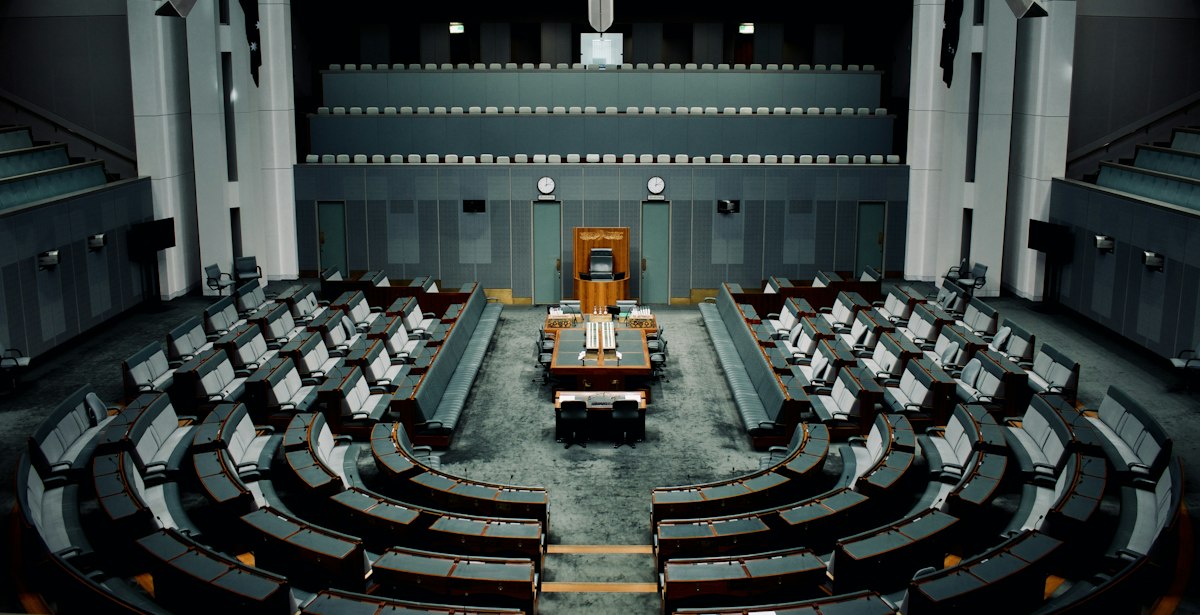
Special Counsel Jack Smith faced intense questioning from Republican lawmakers on Capitol Hill, defending the procedural integrity and execution of federal investigations into Donald Trump. The high-stakes hearing quickly devolved into partisan sparring, punctuated by sharp procedural clashes and an unexpected sports-related gaffe by GOP Senator Eric Schmitt.
By Nexvoro Tech Wire
PUBLISHED TUE, SEP 29, 2026 6:28 PM UTC • 7 MIN READ
A High-Stakes Capitol Hill Showdown
Washington found itself gripped by high political drama on Capitol Hill as Special Counsel Jack Smith appeared before the Senate Judiciary Committee for a fiercely contested hearing. The proceedings centered on the Department of Justice's handling of federal probes involving former President Donald Trump, drawing intense media scrutiny from major news outlets nationwide. Lawmakers from both sides of the aisle clashed over the timing, scope, and constitutional propriety of the landmark federal indictments.
From the opening gavel, Republican senators pressed Smith on the motivations behind the investigations, suggesting political bias and procedural overreach. Smith, maintaining a composed and resolute demeanor, defended the integrity of his office and the career prosecutors who worked alongside him. He emphasized that every investigative step was guided strictly by the facts, established federal statutes, and the longstanding principles of the Department of Justice.
The tension in the hearing room reflected the deeper national polarization surrounding the accountability of former executive branch officials. Democratic members of the committee used their allotted time to praise Smith's adherence to the rule of law under extraordinary public pressure. They argued that the investigations were a necessary defense of democratic institutions, while GOP members countered that the prosecutions represented an unprecedented weaponization of the federal justice system.
GOP Lines of Attack and Procedural Sparring
Republicans launched aggressive lines of inquiry aimed at undermining the foundational logic of the special counsel's probes. Senators scrutinized the evidentiary thresholds required to secure indictments, questioning why certain investigative avenues were pursued while others were purportedly ignored. Smith fielded these rigorous questions by pointing directly to grand jury findings and established judicial precedents that authorized the scope of his mandate.
The questioning reached a dramatic turning point when GOP Senator Eric Schmitt attempted to corner Smith regarding prosecutorial decisions, only to become entangled in a confusing rhetorical mix-up. During a heated exchange, Senator Schmitt attempted to draw an analogy involving sports franchises and collegiate athletics, inadvertently confusing the Atlanta Hawks of the National Basketball Association with the Iowa Hawkeyes of the NCAA. The geographic and collegiate mismatch instantly derailed the line of attack, drawing immediate mockery across digital media platforms and late-night commentary.
Political analysts and commentators on outlets like Rolling Stone and Forbes quickly highlighted the blunder, noting how a momentary lapse in concentration completely overshadowed the intended Republican critique. The viral moment underscored the immense pressure lawmakers face when interrogating high-profile public figures under live television coverage. Rather than landing a decisive political blow, the line of inquiry became a subject of widespread ridicule, altering the narrative trajectory of the afternoon proceedings.
Constitutional Debates and Legal Precedents
Beyond the political theatrics, the hearing served as a major forum for profound constitutional debates regarding executive privilege, immunity doctrines, and the independence of special counsels. Legal scholars and committee members debated the limits of presidential authority and whether federal statutes adequately address the unique circumstances of prosecuting a former commander-in-chief. Smith consistently anchored his defense in federal law, reminding the committee that no individual is above the law regardless of their political status.
Throughout the session, Smith reiterated that the Department of Justice operates under strict internal guidelines designed to shield investigations from political interference. He defended the meticulousness of the evidence-gathering process, noting that multiple federal judges and grand juries independently reviewed the evidence before advancing any charges. This multi-layered judicial oversight, Smith argued, serves as the ultimate safeguard against partisan weaponization.
Constitutional law experts following the proceedings noted that the hearing highlighted ongoing tensions within American jurisprudence regarding executive accountability. As the legal landscape continues to evolve in the wake of recent Supreme Court rulings on presidential immunity, congressional oversight hearings like this one provide crucial insight into how federal prosecutors navigate uncharted constitutional waters.
Fallout, Public Reaction, and Institutional Legacy
As the hearing concluded, the immediate fallout reverberated across political and media landscapes, shaping public perception of the special counsel's tenure. Supporters of the investigation commended Smith for his unwavering poise under hostile questioning, while critics maintained that the proceedings exposed systemic flaws within federal investigative protocols. Media coverage from platforms ranging from CBS News to NBC News captured the starkly divided reactions of American voters.
The long-term institutional legacy of Jack Smith's tenure as special counsel remains a subject of intense debate among political scientists and legal historians. The unprecedented nature of prosecuting a former president has forever altered the relationship between the executive branch, the Department of Justice, and Congress. Regardless of future political developments, the record established during this Senate hearing will remain a vital historical document chronicling one of the most turbulent eras in modern American governance.
Reporting synthesized under Nexvoro.tech Editorial Standards • Referenced via Google News US Nation & Law
Verified Dispatch