The Atlanta Braves and Philadelphia Phillies square off in Game 1 of their National League Wild Card series on Tuesday afternoon. Advanced computer simulations and sharp betting models point to a high-scoring battle as ace pitching matchups set the stage.
By Nexvoro Tech Wire
PUBLISHED TUE, SEP 29, 2026 12:57 PM UTC • 6 MIN READ
Postseason Curtain Raiser at Truist Park
The 2026 Major League Baseball playoffs get underway on Tuesday afternoon with a marquee National League Wild Card series opener between the Philadelphia Phillies and the host Atlanta Braves at Truist Park. First pitch is scheduled for 2 p.m. ET, drawing intense national attention as two NL East powerhouses resume their fierce divisional rivalry on the grandest stage. Atlanta enters the postseason riding the momentum of a stellar regular season in which they captured the National League East crown with an impressive 94-68 record. Meanwhile, the Phillies secured their postseason berth by finishing second in the division with an 88-74 record, though they stumbled down the stretch by going 4-6 in their final 10 games of the regular season.
Despite Philadelphia's late-season slide, the club has proven dangerous away from home, compiling a respectable 45-36 record on the road in 2026. However, overcoming Truist Park and the regular-season head-to-head metrics will present a formidable challenge for manager Rob Thomson's squad. The Braves dominated the season series between the two clubs, winning nine out of 13 matchups. Furthermore, Atlanta holds a distinct 4-2 home-field advantage against Philadelphia on their home turf this year, establishing them as clear favorites heading into Tuesday's opening contest.
High-Stakes Pitching Matchups and Roster Dynamics
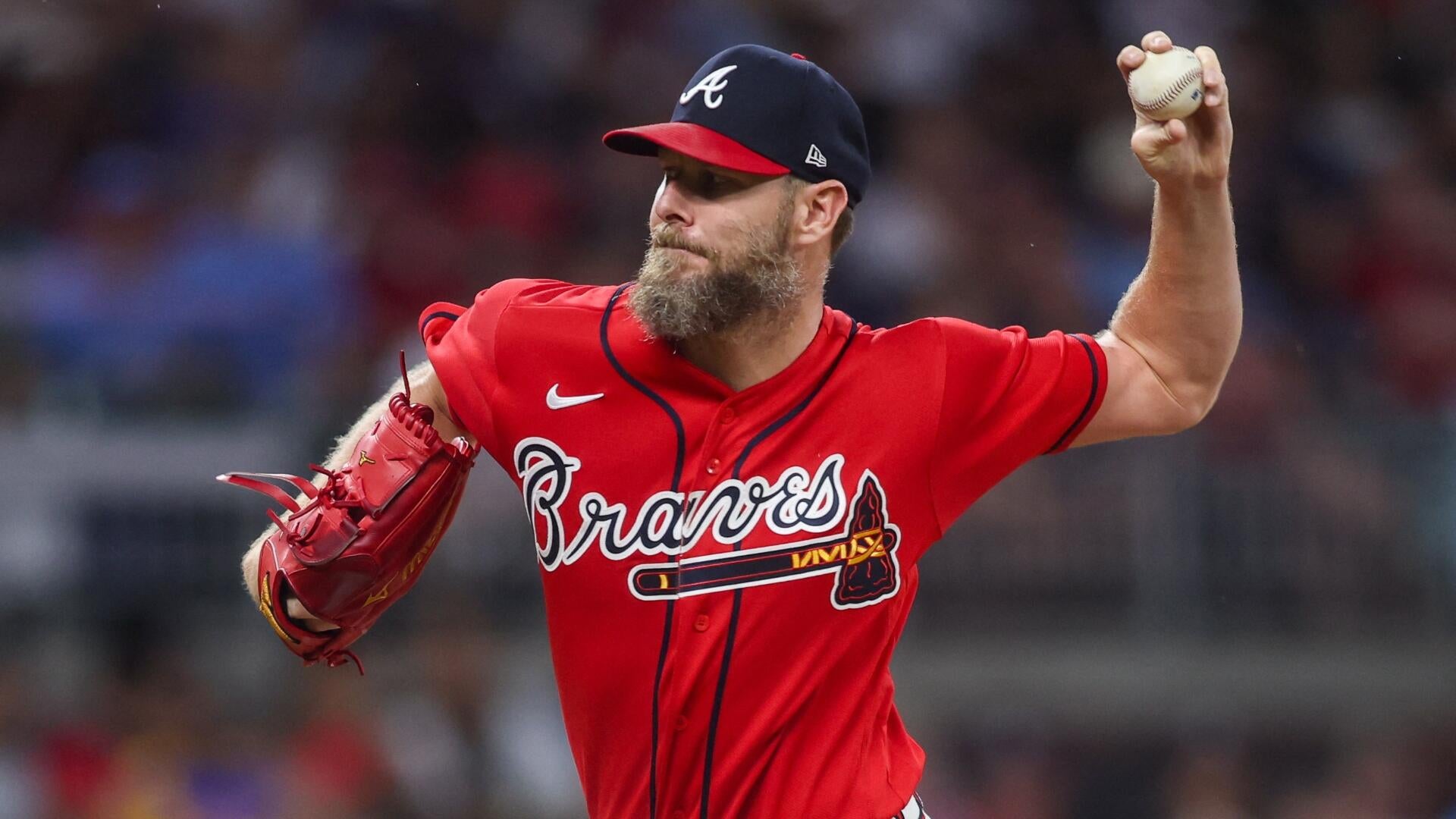
The managerial chess match for Game 1 features contrasting pitching narratives for both dugouts. The Braves are handing the ball to veteran stalwart Chris Sale, whose exceptional campaign has anchored the Atlanta rotation. Sale's ability to navigate high-pressure postseason environments will be critical as the Braves look to assert early dominance in the best-of-three series. Conversely, the Phillies will counter with Jesus Luzardo on the mound, though his readiness introduces a notable element of uncertainty. Luzardo has pitched just a single inning since September 7 due to ongoing shoulder inflammation, making his workload and effectiveness in a high-stakes playoff environment a primary focal point for analysts and fans alike.
Beyond the starting pitchers, both rosters boast potent offensive firepower capable of shifting momentum with a single swing. The Philadelphia lineup relies heavily on the veteran presence and slugging capability of Kyle Schwarber, alongside Brandon Marsh, Luis Arraez, and Alec Bohm. The advanced predictive models project each of these four hitters to record 1.3 total bases or more. On the other side, the Braves' offensive attack features Matt Olson, Ozzie Albies, and Michael Harris, each projected by analytics models to secure 1.4 total bases or more, setting the stage for a compelling battle between high-powered bats and elite pitching.
Betting Markets, Odds, and Analytical Projections
As postseason baseball grips the sports betting and analytics markets, oddsmakers have established clear expectations for Game 1. Atlanta opens as a -199 favorite on the money line, meaning bettors must risk $199 to yield a $100 profit, reflecting the market's confidence in the division champions. The over/under for total combined runs is set conservatively at 6.5, though predictive modeling suggests alternative outcomes. The SportsLine Projection Model, which simulates every MLB game 10,000 times, enters the 2026 postseason on a strong 31-25 run across all top-rated MLB money-line picks, returning substantial value for analytical observers.
Diving deeper into the statistical trends, the SportsLine model's simulations favor the Over 6.5 combined runs proposition. Historical trends support this analytical lean, noting that the Over has hit in five of the past nine head-to-head meetings between the two franchises, alongside two pushes. Additionally, the Over has cashed in six of the past 10 Philadelphia games and in two of the past four Atlanta matchups, while holding a 59-48-5 record in Phillies games against opponents averaging 4.2 or more runs per game. Overall, the model projects the two teams to combine for 7.3 total runs, with the Over hitting in 57% of its rigorous 10,000 simulations.
Tactical Takeaways and Postseason Implications
For the Philadelphia Phillies, Game 1 represents an opportunity to silence doubters and overcome a sluggish finish to the regular season. Establishing early offensive rhythm against Chris Sale will be imperative, especially given Jesus Luzardo's limited recovery timeline following shoulder inflammation. If Philadelphia can generate traffic on the basepaths and pressure Atlanta's bullpen, they can neutralize the home-field advantage that the Braves earned by capturing the NL East title with their 94-win campaign.
For the Atlanta Braves, the objective is to capitalize on their regular-season dominance and convert their 9-4 head-to-head advantage into a quick series lead. Maintaining defensive stability while allowing Sale to dictate the tempo will limit Philadelphia's dangerous hitters. With predictive models indicating high-scoring potential and identifying distinct value on both the total runs and money-line markets, Tuesday afternoon's clash at Truist Park promises high drama as the road to the World Series officially begins.
Reporting synthesized under Nexvoro.tech Editorial Standards • Referenced via CBS Sports Headlines
Verified Dispatch