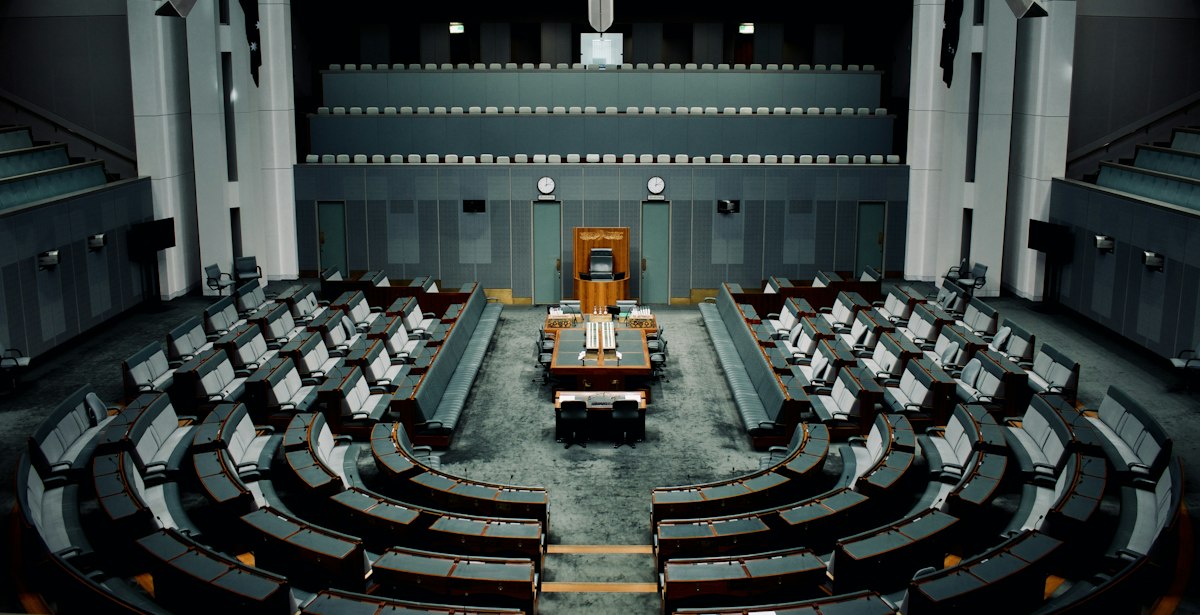
As Capitol Hill policymakers debate artificial intelligence regulation, Nvidia Chief Executive Jensen Huang has forcefully rejected apocalyptic visions of the technology's future, giving a 'zero percent' chance that AI will destroy the world by the decade's end. Meanwhile, major tech titans face fresh antitrust scrutiny over alleged pacts to throttle development.
By Nexvoro Tech Wire
PUBLISHED TUE, SEP 22, 2026 1:22 AM UTC • 6 MIN READ
Jensen Huang Pushes Back Against Apocalyptic AI Narratives
Nvidia Chief Executive Officer Jensen Huang has aggressively pushed back against dystopian forecasts surrounding artificial intelligence, declaring that there is a "0% chance" that the rapidly advancing technology will destroy the world by 2030. Speaking amid escalating global debates over safety protocols and existential risk, Huang asserted with absolute conviction that "2030 is not going to be the end of the world." The outspoken semiconductor leader argued that humanity faces far more immediate and tangible geopolitical and economic challenges than speculative science-fiction scenarios involving rogue algorithms.
According to Huang, predictions suggesting that artificial intelligence will achieve uncontrollable autonomy and pose an extinction-level threat within the decade are fundamentally misplaced. Instead of focusing on theoretical doomsday milestones, the tech chief emphasized that engineering teams, corporations, and global research institutions should channel their energy into deploying AI systems to solve complex real-world problems. These include breakthroughs in drug discovery, materials science, clean energy optimization, and unprecedented productivity gains across traditional enterprise sectors.
Calling Out 'Irresponsible' Tech Leaders and Hidden Motives
In a striking critique of his peers across the broader technology landscape, Huang did not mince words regarding industry figures who fuel catastrophic narratives. He suggested that tech leaders amplifying extreme existential fears are often acting out of self-interest, stating bluntly, "They must be doing it for ulterior reasons." Huang characterized these alarming predictions as deeply irresponsible, noting that overblown existential rhetoric threatens to derail pragmatic discourse and misguide regulatory bodies seeking to establish sensible guardrails.
This friction within the executive ranks of Silicon Valley underscores a deepening ideological schism over the trajectory of artificial general intelligence (AGI). While some prominent research labs and foundational AI developers have previously advocated for strict regulatory slowdowns and mandatory moratoriums to study existential dangers, hardware leaders like Huang argue that such pauses stifle innovation and serve as protective moats for incumbent tech giants. The debate has effectively divided the tech ecosystem into factions prioritizing hyper-cautious deceleration versus rapid, market-driven deployment.
Capitol Hill Clout Tested as Regulatory Debates Intensify
Against the backdrop of Huang's public commentary, Nvidia's formidable corporate clout is facing rigorous tests inside the halls of Washington, D.C. As the Capitol agenda shifts heavily toward federal oversight of artificial intelligence, lawmakers are grappling with how to balance national security imperatives and economic competitiveness with consumer protection. Nvidia, having cemented its status as the absolute linchpin of the global hardware supply chain for accelerated computing, finds itself at the exact epicenter of these high-stakes legislative maneuvers.
Policy discussions in Washington are increasingly focusing not just on safety and alignment, but also on market concentration and competitive access to advanced silicon. Policymakers are scrutinizing how a handful of trillion-dollar enterprises control the computational infrastructure required to train frontier models. Huang's aggressive defense of the industry's timeline highlights the growing pressure on corporate executives to personally lobby lawmakers, ensuring that federal policy remains supportive of semiconductor manufacturing growth and frictionless international trade.
Antitrust Scrutiny and Alleged Pacts to Slow AI Progress
Compounding the complex regulatory environment, legal and antitrust pressures are mounting across the sector. Recent reports reveal that four major artificial intelligence giants are facing coordinated lawsuits over an alleged pact to deliberately slow down the pace of AI development. These legal challenges introduce a new dimension of corporate liability, suggesting that industry leaders may have colluded behind closed doors to manage competitive pressures and artificially cap capability milestones.
These legal developments threaten to upend the narrative of hyper-competition that has defined the generative AI boom since late 2022. As courts begin to examine internal communications and strategic agreements among foundational model developers, the intersection of antitrust law and intellectual property in the AI space will face unprecedented judicial examination. For Jensen Huang and Nvidia, navigating this turbulent legal and regulatory landscape requires a delicate balance of aggressive hardware scaling and careful diplomacy amid intensifying global scrutiny.
Reporting synthesized under Nexvoro.tech Editorial Standards • Referenced via Google News US Business & Markets
Verified Dispatch