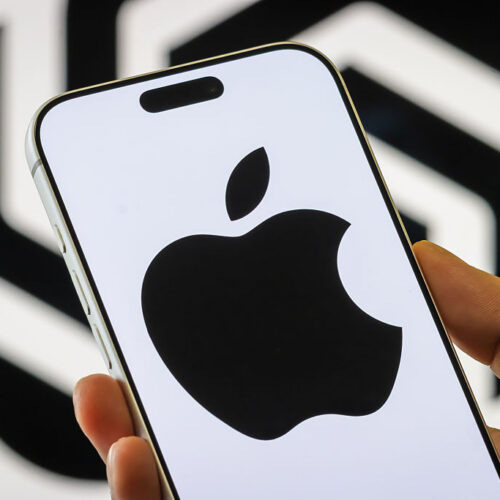
Musk stops attacking Apple over ChatGPT integration but not OpenAI.
By Nexvoro Tech Wire
PUBLISHED MON, SEP 14, 2026 10:37 PM UTC • 6 MIN READ
Primary Journalistic Dispatch & Direct Reporting
Musk stops attacking Apple over ChatGPT integration but not OpenAI.
Elon Musk is seemingly done attacking Apple over its decision to integrate ChatGPT into iPhone features.
Back in 2024, when the partnership was first announced, Musk slammed the integration as an agreement from Apple to let OpenAI install "creepy spyware" on users' devices. The next year, he sued , claiming the partnership gave the firms a "monopoly" on Apple users' AI prompts, which allegedly harmed competition in both smartphone and chatbot markets.
In-Depth Developments & Factual Context
For Musk, the fight with Apple seemingly escalated after he believed that his chatbot, Grok, was perhaps being illegally blocked from topping Apple's App Store rankings. Last August, he claimed that "Apple is behaving in a manner that makes it impossible for any AI company besides OpenAI to reach #1 in the App Store, which is an unequivocal antitrust violation."
However, on Monday, Musk confirmed in a court filing that he has resolved all claims against Apple. The filing does not indicate if there were any negotiated settlement terms or otherwise explain why X would suddenly seek a voluntary dismissal. What is clear is that Musk agreed to never raise the claims again against Apple, while notably refusing to drop the same claims against OpenAI.
Now, it seems that Musk plans to advance claims that OpenAI relied on the deal - which Apple emphasized was never exclusive - to monopolize the chatbot market.
Industry Impact & Strategic Analysis
OpenAI has already slammed Musk's lawsuit as another attempt to harass the AI company as Musk's rival AI firm, now called SpaceXAI, races to catch up. Last fall, OpenAI mocked Musk's claims as baseless , emphasizing that Musk won't even "hazard a guess" at what portion of the chatbot market is being foreclosed by the OpenAI/Apple deal. Instead, Musk claimed it could be anywhere from 0 to 55 percent, based on "back-of-the-envelope math" that OpenAI thinks the court should reject.
As the litigation proceeds, OpenAI has continued to deny allegations of antitrust violations, while seemingly moving to shore up a second line of defense. In May, OpenAI started publicly saying that it felt "burned" by the Apple integration , which OpenAI felt that Apple didn't really promote. As one executive anonymously told Bloomberg , OpenAI expected the deal "could generate billions of dollars per year in subscriptions," but instead Apple allegedly designed the features integrating ChatGPT in ways that made the chatbot functionality hard to discover. At that time, OpenAI was reportedly mulling legal action, as efforts to renegotiate the deal stalled.
Musk's ire for OpenAI is well-known. Earlier this year, Musk lost a lawsuit accusing OpenAI of abandoning its core mission to create AI that benefits humanity. For Musk, the loss was frustrating, since a jury unanimously ruled he waited too long to sue, not that his claims were invalid.
Forward Outlook & Market Perspective
Musk may have risked hitting a similar procedural brick wall in the antitrust litigation, as both Apple and OpenAI had emphasized that Musk does not compete in the smartphone industry and cannot pursue the claims, as none of his companies make smartphones. Previously, Apple argued that a Musk win would devastate the tech industry by setting an alarming precedent that any deal with a supplier violates antitrust law if proposals from rival firms are rejected.
However, as the more narrowed litigation heads to trial this fall, it seems possible that Musk may have dropped Apple from the litigation after securing insights that he wanted. This summer, a court ordered that Apple hand over to Musk's companies a range of internal messages in which its employees discussed the OpenAI deal. That evidence may help Musk refine his calculations on how much of the chatbot market OpenAI supposedly sought to foreclose.
Ars Technica has been separating the signal from
the noise for over 25 years. With our unique combination of
technical savvy and wide-ranging interest in the technological arts
and sciences, Ars is the trusted source in a sea of information. After
all, you don't need to know everything, only what's important.
Reporting synthesized and verified under Nexvoro.tech editorial guidelines. Full primary records referenced via Ars Technica.
Reporting synthesized under Nexvoro.tech Editorial Standards • Referenced via Ars Technica
Verified Dispatch