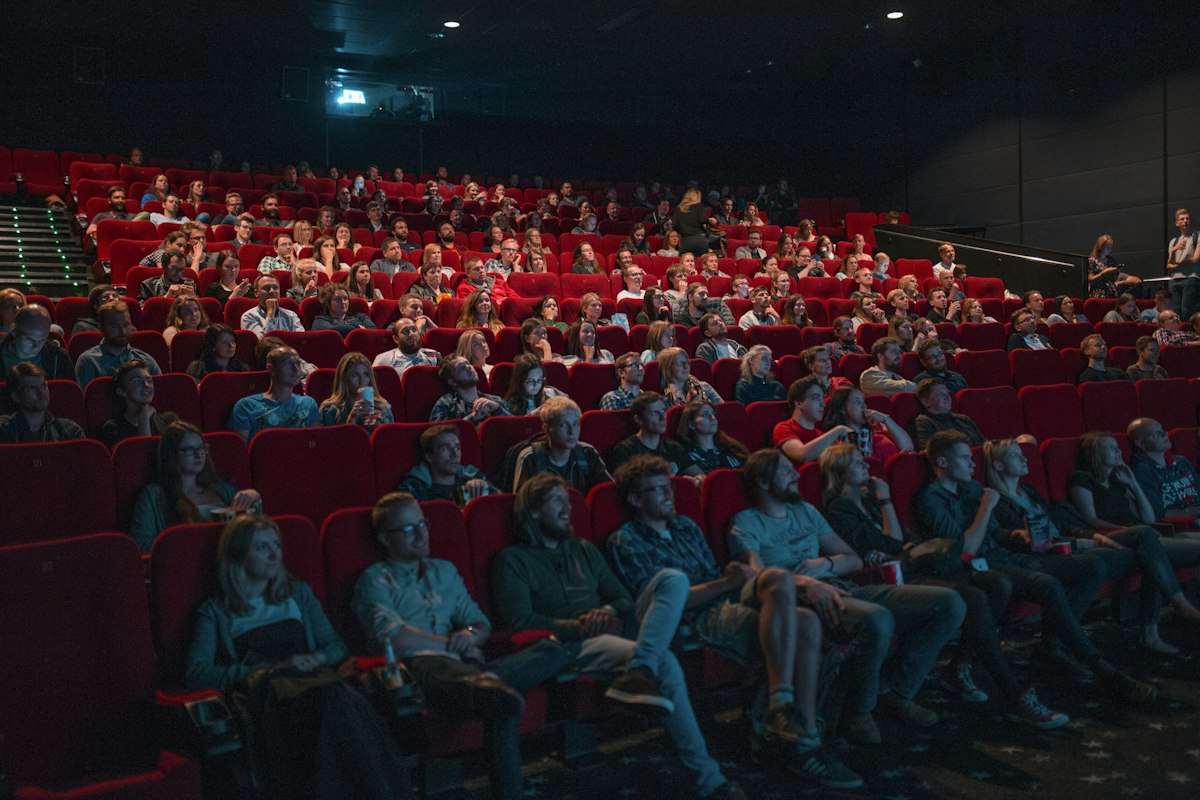
Academy Award-winning documentarian Barbara Kopple explores the modern battlegrounds of American labor across UPS, Amazon, and app-based delivery workers in her latest feature film, 'Union Town.' Following high-profile screenings at the Venice Film Festival and the Camden International Film Festival, the project spotlights the high stakes of worker solidarity in New York City.
By Nexvoro Tech Wire
PUBLISHED TUE, SEP 22, 2026 1:23 AM UTC • 7 MIN READ
A Landmark Return to American Labor
Fifty years ago, a young and ambitious director named Barbara Kopple emerged with her inaugural film, a documentary she initially believed would be seen by very few people. Reflecting on those early days of production, Kopple recalls her modest expectations: "When I started making the film, I thought, 'Oh, my parents will see it and their friends and maybe a museum will show it.'" Over the intervening decades, Kopple has directed numerous acclaimed documentaries profiling iconic cultural figures, including actor Gregory Peck, soul singer Sharon Jones, and the country music band the Chicks, formerly known as the Dixie Chicks.
Despite her diverse filmography spanning entertainment and music, Kopple continually returns to the core theme for which she achieved legendary status: the realities of working people in America. Her latest directorial effort, 'Union Town,' recently held its U.S. premiere at the Camden International Film Festival in Maine after bowing at the prestigious Venice Film Festival earlier in September. The film captures the raw, unvarnished pulse of modern American labor, offering an intimate look at the sacrifices, hardships, and unyielding determination required to fight for dignity in the contemporary workplace.
The Three Fronts of New York City Labor
'Union Town' focuses its narrative lens on the ongoing battle for better wages, safety standards, and working conditions across three distinct operational fronts in New York City: traditional logistics giants like UPS, corporate fulfillment powerhouses like Amazon, and the burgeoning workforce of app-based couriers commonly known as "deliveristas," who operate food delivery platforms like DoorDash. These diverse sectors represent the shifting landscape of urban labor, where legacy union power intersects with the precarious gig economy.
Despite facing significant corporate resistance, Kopple remains inspired by the tenacity of the organizers leading these movements. In an interview at the Camden Opera House following a screening of 'Union Town,' Kopple shared her perspective with Deadline: "I think that they [labor organizers] have a big fight on their hands, but I think that they're road warriors and I feel an awful lot of hope. Each time they win something, it's glorious. It's wonderful. And they get a little closer and a little closer. And what else can you do? You have to keep fighting… Looking at the people that they work with who can hardly make a living or people who die in the plants because there's no air conditioning [in summer] or no heat in the winter, it's just a very human thing to do, so you can't stop."
The Historical Decline and Present Strength of Unions
Analyzing the broader economic and social context, Kopple notes that over the past four decades, union participation rates across the United States have dropped by approximately half. Yet, the foundational necessity of collective bargaining remains as critical as ever. "[But] they're still there. They're still there," Kopple emphasizes regarding the resilience of modern labor unions. "And if you don't have them, you don't have anything."
To illustrate the enduring power of solidarity, the documentary highlights figures like Antonio Rosario, a veteran of the historic 1997 UPS strike who now serves as the Teamsters lead union organizer for Amazon workers in the northeast region. In one of the film's poignant scenes, Rosario sits with his young sons at the dinner table, holding a bundle of sticks in his hands to visually demonstrate the foundational importance of worker solidarity. Kopple explains the cinematic and pedagogical value of the moment: "Tony is trying to show them the difference that if you have a lot of people together, it takes too much to break it. And if you just have one stick, you can break it. And that's what it is. It's people who have your back. It's people who will help you and it gives you a sense of strength that you can change."
The Plight of the Deliveristas and Systemic Inequities
Among the three labor groups chronicled in 'Union Town,' gig economy deliveristas face arguably the harshest working conditions and lowest compensation structures. These workers operate year-round in hazardous weather, navigating treacherous urban streets through winter snowstorms and summer heatwaves. Kopple documents the tragic case of Victor Hidalgo, a 24-year-old worker employed by a pharmacy delivery company who was struck and killed by a New York Fire Department vehicle in 2024. During the Q&A session following the U.S. premiere, Kopple revealed that Hidalgo's aunt personally urged her to include him in the documentary: "She said, 'I don't want anyone to ever forget Victor,'" Kopple recounted. "'Please come and film the funeral. Please come and let people know that these things really happen.'"
Compounding these physical dangers is severe financial vulnerability. Deliveristas rely heavily on consumer tips as a primary source of income, yet tipping practices are frequently erratic or exploitative - with one deliverista recalling a customer placing a single piece of candy in his palm instead of monetary currency. Furthermore, corporate wage practices have faced intense regulatory scrutiny. In 2025, DoorDash reached a nearly $17 million settlement in New York following allegations that the company effectively appropriated workers' tips. According to the New York Attorney General's office, customers were misled into believing their tips would directly benefit Dashers, while DoorDash allegedly utilized tips to offset its guaranteed pay obligations to delivery workers. Kopple hopes her cinematic documentation will drive cultural and economic change: "What it does if people get to see this film is maybe they'll give big tips. Maybe they'll talk to them."
Reporting synthesized under Nexvoro.tech Editorial Standards • Referenced via Deadline Hollywood
Verified Dispatch