As Americans prepare to adjust their clocks for the annual transition back to standard time, lawmakers and businesses continue to debate the economic and health consequences of our semi-annual time changes. Here is everything you need to know about when clocks fall back this year and the latest updates from Capitol Hill.
By Nexvoro Tech Wire
PUBLISHED WED, SEP 23, 2026 11:42 AM UTC • 6 MIN READ
The 2026 Schedule: When Clocks 'Fall Back' and 'Spring Forward'
As citizens across the United States navigate the rhythm of the calendar year, the perennial question of temporal adjustment returns to the forefront of public consciousness. Daylight Saving Time (DST) in the United States officially concludes in the autumn months, requiring millions of Americans to turn their analog and digital clocks backward by one hour. This mandatory shift marks the return to Standard Time, providing a temporary illusion of an extra hour of sleep on the weekend of the transition, while simultaneously plunging evening commutes into premature darkness.
The mechanics of this system are strictly codified under federal oversight, ensuring synchronization across commercial airlines, financial markets, and telecommunications networks. The transition back to standard time consistently occurs on the first Sunday of November, while the return to Daylight Saving Time takes place in the spring on the second Sunday of March. This established cadence has governed American society for decades, yet it continues to prompt widespread public discussion regarding its necessity, convenience, and broader societal impacts.
Legislative Stalemate: The Status of the Sunshine Protection Act
While everyday citizens grumble about losing or gaining an hour of sleep, lawmakers in Washington have spent years wrestling with the federal framework governing time itself. The primary legislative vehicle driving the movement to abolish the semi-annual time change has been the Sunshine Protection Act, a bipartisan bill designed to make Daylight Saving Time permanent across the United States. Proponents of the measure argue that eliminating the biannual switch would boost economic productivity, reduce evening crime rates, and prevent the well-documented surge in traffic accidents that typically accompany the sudden shift in daylight hours.
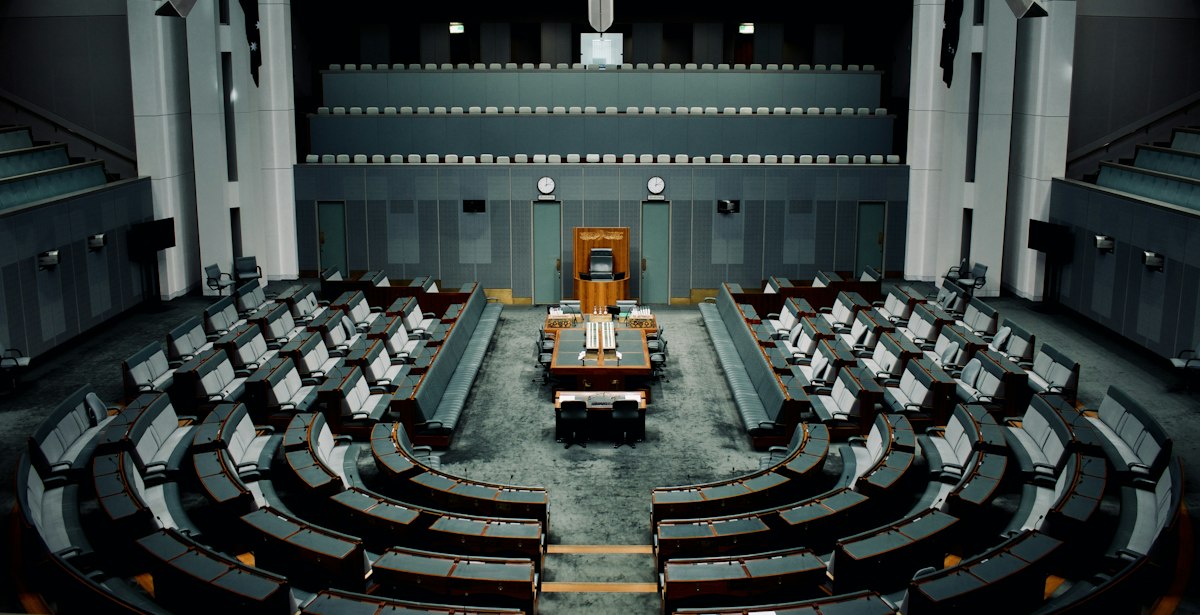
Despite garnering significant momentum in previous legislative sessions - including a rare unanimous voice vote approval in the United States Senate - the Sunshine Protection Act has repeatedly stalled in the House of Representatives. Complex debates persist among sleep scientists, economists, and policymakers regarding whether permanent Standard Time or permanent Daylight Saving Time is the healthier and more economically advantageous choice for the country. Consequently, federal statute mandates that the traditional routine of springing forward and falling back remains firmly in place for the foreseeable future, leaving states without the legal authority to enact permanent daylight saving time on their own accord without federal statutory changes.
Economic, Health, and Operational Implications for Businesses
Beyond the political debate, the semiannual time change carries measurable consequences for corporate America, financial institutions, and consumer behavior. Retailers and the leisure industry have historically championed Daylight Saving Time because longer evening daylight hours encourage consumers to stay out later, visit shopping centers, and patronize restaurants and entertainment venues. Conversely, the abrupt transition phases impose operational frictions on multinational corporations attempting to synchronize global supply chains, international stock exchanges, and cross-border digital transactions during the weeks when the U.S. shifts its clocks differently than its trading partners.
From a public health and workforce perspective, corporate wellness programs increasingly focus on the physiological toll of the spring and autumn adjustments. Medical research consistently highlights a spike in cardiovascular incidents, workplace errors, and traffic fatalities during the immediate aftermath of the spring transition, while the autumn shift presents challenges related to seasonal mood variations and reduced productivity due to darker afternoons. Human resources departments and corporate leadership teams are thus prompted to account for these circadian disruptions, reinforcing the intersection between federal timekeeping policy and modern corporate productivity.
Reporting synthesized under Nexvoro.tech Editorial Standards • Referenced via Google Trends US Hot Searches
Verified Dispatch