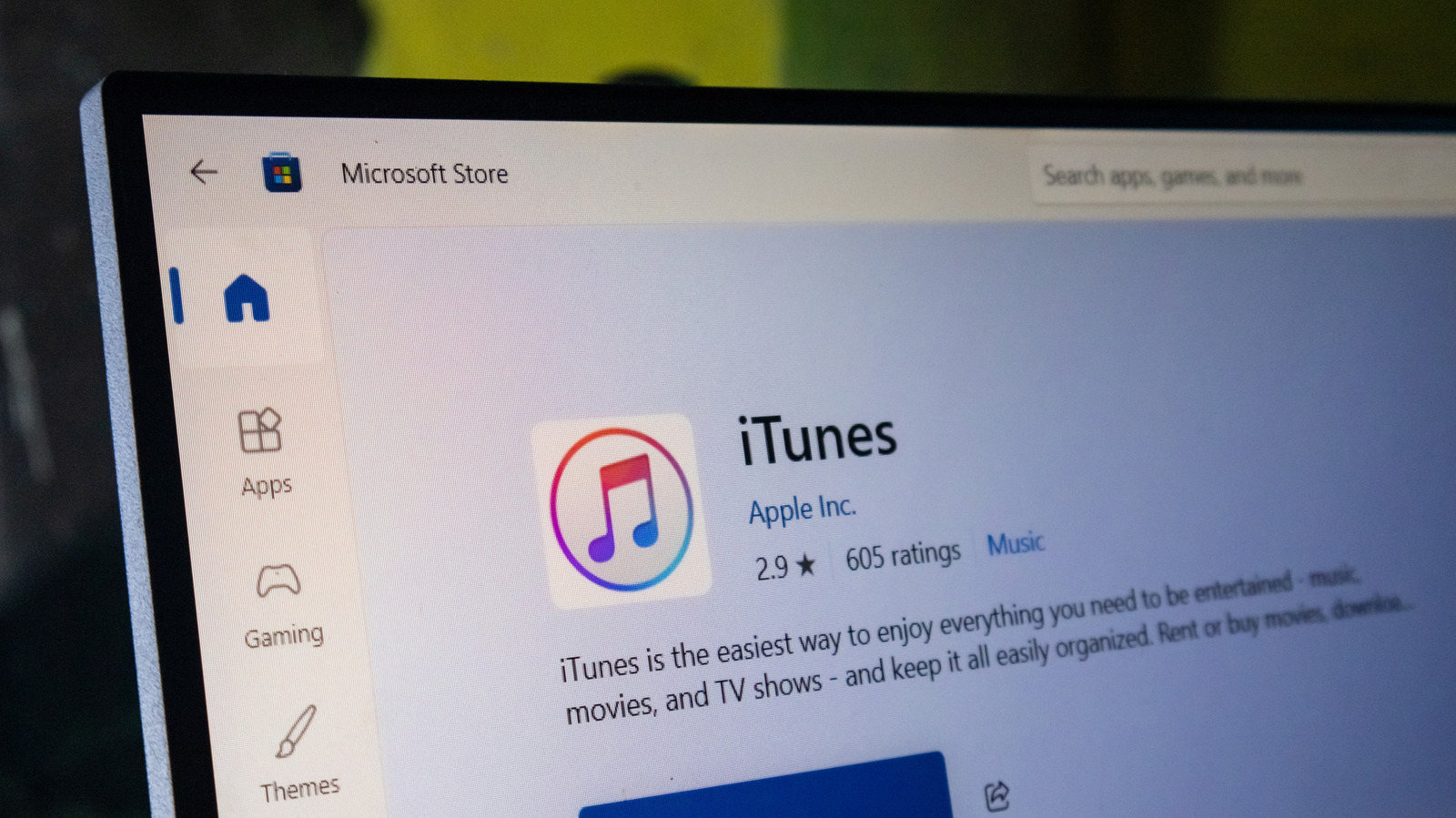
While Apple dissolved the iconic software brand years ago, the iTunes digital storefront quietly persists as a multi-million-dollar relic of the download era. We examine the economic, structural, and architectural reasons this digital anomaly refuses to die.
The Unsinkable Relic of Cupertino
To the average consumer who migrated to Spotify, YouTube Music, or Apple Music years ago, the death of iTunes feels like ancient history. In 2019, Apple officially dismantled the bloated, catch-all desktop application that had defined digital media consumption for nearly two decades, splitting its functions into dedicated apps for Music, Podcasts, and TV. Yet, buried deep within the iOS ecosystem and desktop architecture, a stubborn digital ghost remains: the iTunes Store.
Believe it or not, users can still open the standalone iTunes application on Windows, navigate to the legacy store interface on older iOS devices, or access dedicated movie and TV purchasing portals. While streaming has definitively won the modern economic war for consumer ears and eyes, the transactional download model pioneered by Steve Jobs in 2003 has not completely vanished. For tech historians and financial analysts alike, the continued existence of the iTunes Store offers a fascinating case study in legacy software persistence, edge-case monetization, and the immense friction of migrating entrenched enterprise systems.
Core Mechanics: Why the Infrastructure Endures
From a software engineering perspective, deprecating a digital storefront that still processes millions of micro-transactions globally is far more complex than simply turning off a server. The underlying backend—handling digital rights management (DRM), legacy AAC file delivery, artist payouts, tax calculations across hundreds of global jurisdictions, and accounting infrastructure—remains deeply integrated with Apple’s broader commerce APIs.
Furthermore, the iTunes Store serves as a critical fallback mechanism for offline media management and device synchronization for enterprise users and audiophiles who refuse to surrender local file ownership to cloud lockers. Even as Apple prioritizes subscription services as its primary engine of recurring revenue, the infrastructure cost of maintaining the legacy download store is vanishingly small compared to the brand equity and residual high-margin revenue it quietly generates from long-tail catalog sales.
The Wall Street and Enterprise Impact
In the grand calculus of Apple’s trillion-dollar balance sheet, the iTunes Store is a rounding error. Apple’s Services division—encompassing iCloud, Apple Music, the App Store, Apple Pay, and Apple TV+—routinely pulls in tens of billions of dollars per quarter, anchoring the company's financial narrative to Wall Street as hardware upgrade cycles fluctuate.
However, the transactional storefront represents a pristine profit margin. Unlike streaming services, which require constant licensing payouts, server-heavy audio/video streaming bandwidth, and complex royalty divisions, a digital track purchase is a one-time transaction with heavily established distribution agreements. For independent artists and niche labels, the store also serves as a residual income stream, proving that the digital ownership model still commands a fiercely loyal, albeit shrinking, demographic of consumers who prefer permanent local files over rented access.
The Competitive Chessboard: Ownership vs. Access
The enduring presence of iTunes highlights a broader philosophical fault line in the modern technology landscape: the battle between digital ownership and subscription-based access. While Spotify and Apple Music dominate the cultural zeitgeist, recent years have exposed the fragility of the streaming model. Content disappearing due to licensing disputes, platform price hikes, and shifting corporate priorities have driven a counter-movement among tech-savvy consumers seeking true digital sovereignty.
By keeping the iTunes Store alive—even if it is tucked away from the main user experience—Apple inadvertently caters to this purist segment. It stands in stark contrast to competitors like Amazon, which frequently reshuffles its digital music and video marketplaces, or Google, which systematically sunsetted its Google Play Music store years ago, forcing users entirely into subscription or YouTube ecosystems. Apple’s quiet preservation of iTunes underscores a corporate philosophy that honors backward compatibility whenever feasible, provided it does not actively hinder forward innovation.
Regulatory Scrutiny and the App Store Shadow
In the current regulatory climate, where Apple faces intense global antitrust scrutiny over its App Store policies, closed ecosystems, and anti-steering provisions, the legacy architecture of iTunes represents a different era of digital commerce. Regulators in the European Union, the United States, and Japan are currently dismantling the walled gardens of modern app distribution, but the music and movie storefront operates under a mature, highly standardized set of global licensing frameworks.
Interestingly, the survival of the iTunes Store demonstrates that alternative purchase models can coexist alongside dominant subscription platforms without market distortion. It provides a historical benchmark for fair digital distribution that predates the modern platform monopoly debates, serving as a reminder of how digital commerce functioned before algorithmic recommendations and monthly fees became the ubiquitous norm.
Strategic Outlook: The Twilight of the Download
How much longer can the iTunes Store realistically survive? As operating systems evolve, file systems abstract further away from the end user, and hardware configurations drop legacy support, the friction of maintaining an older desktop app on Windows and legacy mobile codebases will eventually outweigh the financial returns.
Yet, Apple has proven remarkably patient when deprecating legacy technology. Just as the 30-pin connector, the headphone jack, and physical media drives were phased out over multi-year horizons, the eventual sunsetting of the iTunes brand will likely be a quiet, unceremonious affair. Until that day arrives, the iTunes Store remains a fascinating technological monument—a digital record store stubbornly keeping its doors open in the middle of a streaming metropolis.
Reporting synthesized under Nexvoro.tech Editorial Standards • Referenced via Engadget
Verified Dispatch