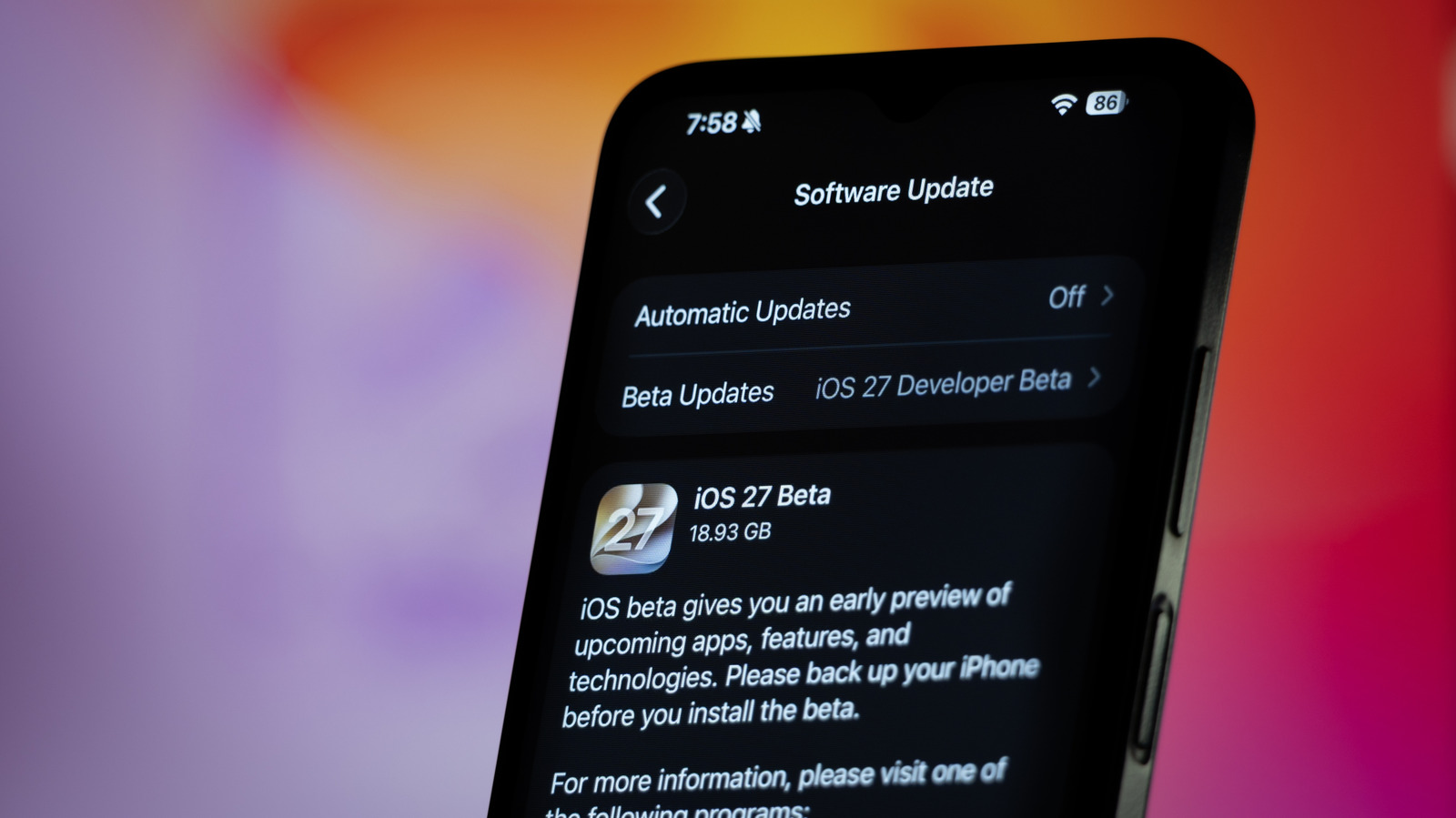
As Apple opens its latest developer and public beta cycles, millions of enthusiasts race to test cutting-edge features. However, failing to execute one critical data preservation step before downloading can lead to catastrophic digital loss.
By Nexvoro Tech Wire
PUBLISHED SAT, SEP 5, 2026 4:14 PM UTC • 6 MIN READ
The Allure of Early Access and the Hidden Cost
Every year, Cupertino rolls out the red carpet for its developer community and enthusiastic early adopters, offering a tantalizing glimpse into the future of mobile computing. The rollout of a new iOS public beta is more than a mere software update; it is a cultural and technological event. Millions of users worldwide rush to install unpolished builds, eager to experience redesigned interfaces, enhanced machine learning integrations, and experimental APIs before the official autumn launch.
Yet, beneath the glossy marketing presentations and developer keynote highlights lies a sobering reality: beta software is, by definition, unfinished. It is a work-in-progress designed for stress-testing, bug hunting, and developer migration. For the everyday consumer, flashing a public beta onto a daily-driver iPhone introduces a high-stakes gamble with personal data, corporate documents, and irreplaceable digital memories. While the tech media often focuses on battery drain, thermal throttling, and broken third-party applications, the true hazard is systemic data corruption. Ignoring the foundational protocol of pre-beta archiving is a gamble that routinely catches even seasoned technologists off guard.
Why Standard iCloud Syncing Is Not Enough
When faced with a software upgrade, modern smartphone users have grown complacent, heavily reliant on seamless cloud infrastructure. iCloud automatically backs up photos, messages, app data, and device settings in the background, creating a false sense of security. However, relying solely on real-time cloud synchronization during a major operating system transition is a critical error.
When a device is running a beta operating system, it communicates with Apple's developer servers using experimental protocols. If a catastrophic kernel panic, boot loop, or continuous crash loop occurs during the installation phase—or during normal operation on a beta build—the device may require a complete factory wipe. If your automated iCloud backup overwrites your clean state with corrupted beta data, or if the cloud sync fails mid-stream due to API incompatibilities, recovering your historical data becomes nearly impossible. Enterprise mobility managers and software engineers understand that cloud convenience must never replace hard data redundancy, especially when dealing with volatile pre-release code.
The Immutable Shield: Archiving via Local Encrypted Backups
To safeguard against the inherent instability of pre-release operating systems, elite mobile developers and enterprise IT administrators follow a strict, immutable protocol: creating a local, encrypted backup via a Mac or PC before touching any software profile.
Unlike standard cloud syncs, a local encrypted backup creates a bit-level snapshot of your device's state at a precise moment in time. This includes sensitive credentials, health data, keychain items, and application states that standard backups sometimes omit. By executing this via Finder or iTunes (or Apple Devices on Windows) and selecting the 'Encrypt local backup' option, users establish a secure anchor point. If the beta build bricks the hardware, triggers an unrecoverable boot loop, or introduces critical software bugs that render the device unusable, the user can easily downgrade to the current stable iOS release and restore their device to its exact, pre-beta condition without losing a single file, photo, or message.
The Developer Perspective: Stress-Testing and Risk Management
For the developer ecosystem, operating system betas are essential proving grounds. Engineers must test their proprietary applications against upcoming API changes, layout shifts, and security paradigms to ensure day-one compatibility when the software hits general availability. For these professionals, encountering bugs is an expected part of the workflow.
However, even software engineers maintain dedicated test devices—often referred to as 'burner' iPhones—specifically segregated from their primary communication and banking hardware. When developers do test on primary hardware, their discipline regarding local backups is uncompromising. Wall Street analysts tracking Apple's software deployment pipelines note that maintaining developer ecosystem stability is critical for driving App Store revenue and enterprise adoption. A smooth developer transition directly correlates with high-quality application launches, making pre-release data hygiene a vital cog in the broader digital economy.
Navigating the Ecosystem: Strategic Outlook for Early Adopters
As Apple continues to iterate on its hardware and software ecosystems, the boundary between consumer electronics and professional computing tools continues to blur. iPhones now hold sensitive corporate credentials, financial portfolios, decentralized wallet keys, and cryptographic identifiers. Treating these devices casually during a software upgrade cycle is no longer a minor miscalculation; it is a significant operational risk.
For enterprise tech leaders, tech journalists, and everyday power users alike, the golden rule remains absolute: never install a public beta without first executing a local, encrypted archive. As the tech sector pushes toward deeper AI integration and more complex operating system architecture, respecting the fundamentals of data preservation will separate those who seamlessly ride the wave of innovation from those left stranded by preventable digital disaster.
Reporting synthesized under Nexvoro.tech Editorial Standards • Referenced via Engadget
Verified Dispatch