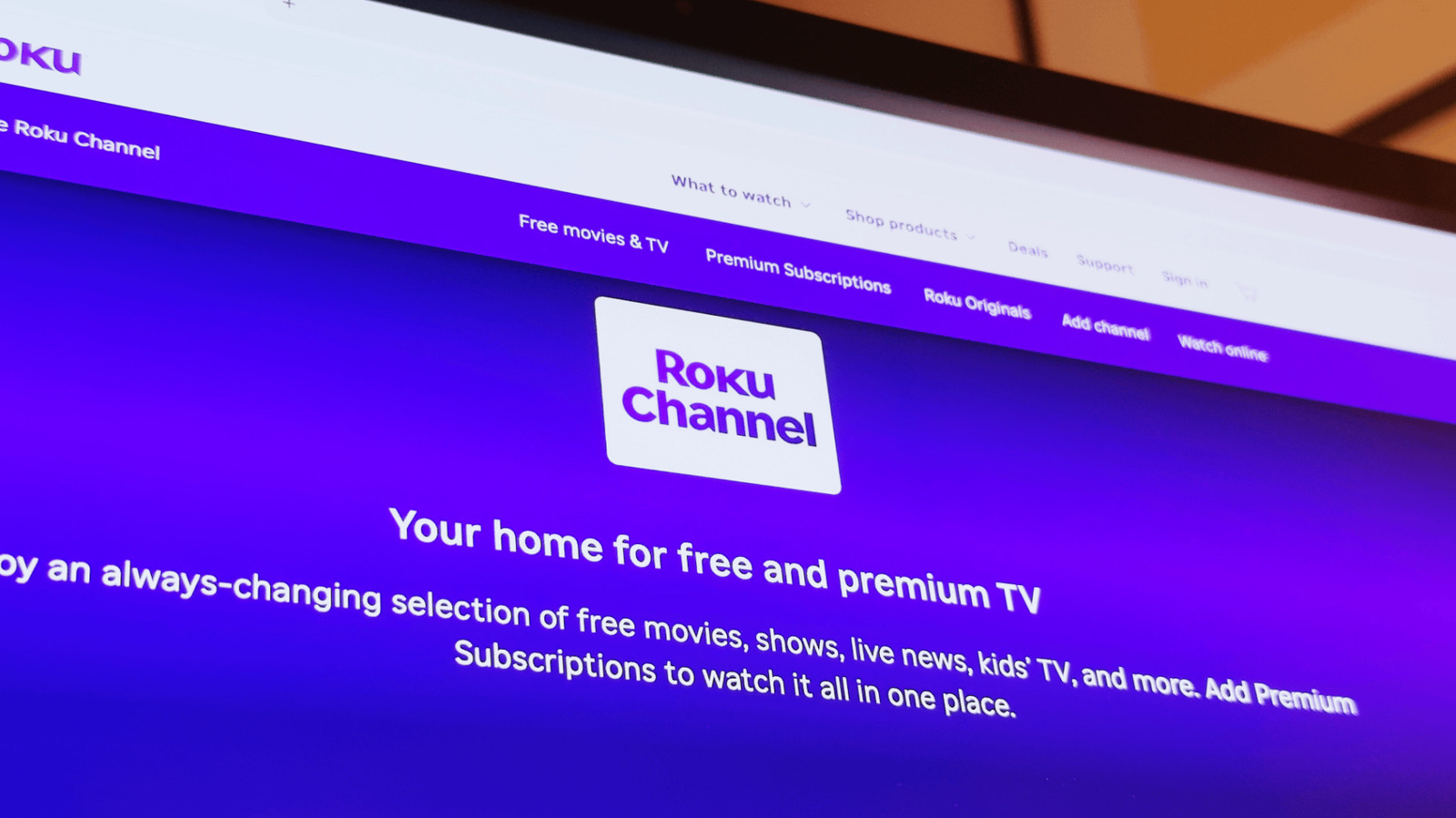
As Roku opens its platform gates to algorithmically generated video content, media executives and advertisers are forced to reevaluate the valuation metrics of modern streaming. The pivot introduces a high-stakes gamble between margin expansion and viewer fatigue.
By Nexvoro Tech Wire
PUBLISHED SAT, SEP 5, 2026 3:27 PM UTC • 6 MIN READ
The Algorithmic Gold Rush Hits the Living Room
For the better part of a decade, the Connected TV (CTV) ecosystem has operated on a relatively predictable economic playbook: prestige television, multi-million-dollar licensing deals, and meticulously targeted programmatic advertising. That status quo is now facing an unprecedented stress test. Roku, a dominant force in the North American streaming hardware and operating system market, has quietly rolled out a new programming initiative designed to give generative artificial intelligence creators a direct, unfettered platform for their productions.
For consumers navigating the ever-expanding labyrinth of free ad-supported streaming television (FAST) channels, the arrival of AI-generated content—affectionately and derisively dubbed 'AI slop' by early internet critics—marks a watershed moment. It is no longer confined to the experimental fringes of YouTube or TikTok; it has secured prime real estate on the primary display interface of millions of American households. But beneath the novelty of synthetically rendered narratives and hyper-stylized algorithmic shorts lies a profound corporate maneuver. Roku is not merely curating new content; it is attempting to radically rewrite the cost structure of digital entertainment.
Dissecting the CTV Economics: Margin Expansion vs. Audience Erosion
To understand why Roku is aggressively opening its arms to synthetic media, one must examine the brutal fiscal realities facing streaming platforms. Content acquisition costs remain astronomical. Major studios and legacy media conglomerates continue to squeeze distributors for higher licensing fees, squeezing the profit margins of FAST operators caught in the middle. Generative video, by contrast, represents the ultimate form of margin expansion.
When a platform populates its channels with AI-generated productions, the traditional talent overhead, union residuals, and exorbitant licensing tolls evaporate. The creators of these synthetic assets operate on lean, software-driven workflows, often producing hours of continuous video with fractions of the headcount required by a traditional production studio. For Wall Street analysts tracking Roku’s top and bottom lines, the promise of zero-marginal-cost content is undeniably intoxicating. If viewer engagement metrics hold steady while content acquisition costs plummet, the operational leverage for platform operators could be immense.
However, this financial calculus introduces a perilous variable: audience erosion. Television is fundamentally an attention economy, and unlike the infinite scroll of social media, the living room environment carries a distinct set of consumer expectations. If viewers perceive the quality of the programming slate to be degrading into uncanny-valley pastiche, churn could accelerate. The central question for media executives is whether the gross margin gains from synthetic content will offset the long-term risk of devaluing the Roku home screen as a premium advertising destination.
The Competitive Chessboard: Streaming Giants Eye the Synthetic Frontier
Roku does not exist in a vacuum. The streaming wars have entered a hyper-fragmented consolidation phase, with Amazon's Freevee, Paramount's Pluto TV, and Fox's Tubi locked in a bitter war for eyeballs and ad dollars. By pioneering the integration of native AI content, Roku is attempting to leapfrog its competitors and establish first-mover advantage in what could become the next major paradigm of digital distribution.
Competitors are watching closely. If Roku’s experiment yields higher ad-completion rates or demonstrates that a segment of the audience is indifferent to the provenance of the pixels on their screen, rival platforms will be forced to follow suit to protect their margins. This threatens to spark a race to the bottom in content valuation, where human-created indie films and mid-budget programming have to compete against infinite streams of algorithmically optimized, zero-cost synthetics.
Simultaneously, the move places pressure on traditional Hollywood guilds and creative unions. As software tools democratize the technical mechanics of video generation, the barrier to entry for video production has collapsed. While Hollywood has spent the last two years locked in tense labor negotiations over the guardrails of generative AI, tech platforms are actively building distribution channels that bypass traditional studio gatekeepers entirely.
Regulatory Scrutiny and the Transparency Mandate
As synthetic media permeates mainstream living rooms, regulatory bodies in Washington are beginning to stir. While the Federal Communications Commission (FCC) and the Federal Trade Commission (FTC) have largely focused their AI oversight on electoral deepfakes, algorithmic bias, and copyright infringement, the commercial deployment of generative video in broadcast and streaming environments introduces fresh regulatory flashpoints.
Chief among them is consumer transparency. In an ad-supported ecosystem, viewers have a reasonable expectation of knowing whether the media they are consuming is the product of human artistic endeavor or machine synthesis. Will regulatory frameworks soon require explicit on-screen disclosures for AI-generated programming, akin to nutritional labels or sponsored content disclaimers? For advertisers, transparency is equally paramount. Brands spending millions on programmatic CTV campaigns are deeply protective of their brand safety. If their commercials are dynamically inserted into streams of erratic, low-quality synthetic content, advertiser confidence could waver, prompting demands for more stringent content provenance standards.
The Strategic Outlook: A High-Stakes Bet on the Future of Entertainment
Ultimately, Roku’s embrace of generative AI programming is a classic high-risk, high-reward technology gamble. It reflects the relentless corporate pressure to discover new avenues for growth in a maturing hardware market where device sales alone can no longer satisfy investors.
Whether the public will genuinely embrace algorithmically generated storytelling on the big screen remains an open question. Early adoption curves suggest that while novelty-seeking demographics may tune in out of curiosity, sustaining long-term viewer retention requires narrative depth and emotional resonance—qualities that current generative video models still struggle to consistently deliver.
As we look toward the horizon of 2026 and beyond, Roku’s initiative will serve either as a visionary blueprint for the automated future of television or as a cautionary tale of platform overreach. For developers, media executives, and Wall Street observers alike, the television screen is no longer just a window to Hollywood—it is becoming a live laboratory for the limits of artificial intelligence.
Reporting synthesized under Nexvoro.tech Editorial Standards • Referenced via Engadget
Verified Dispatch