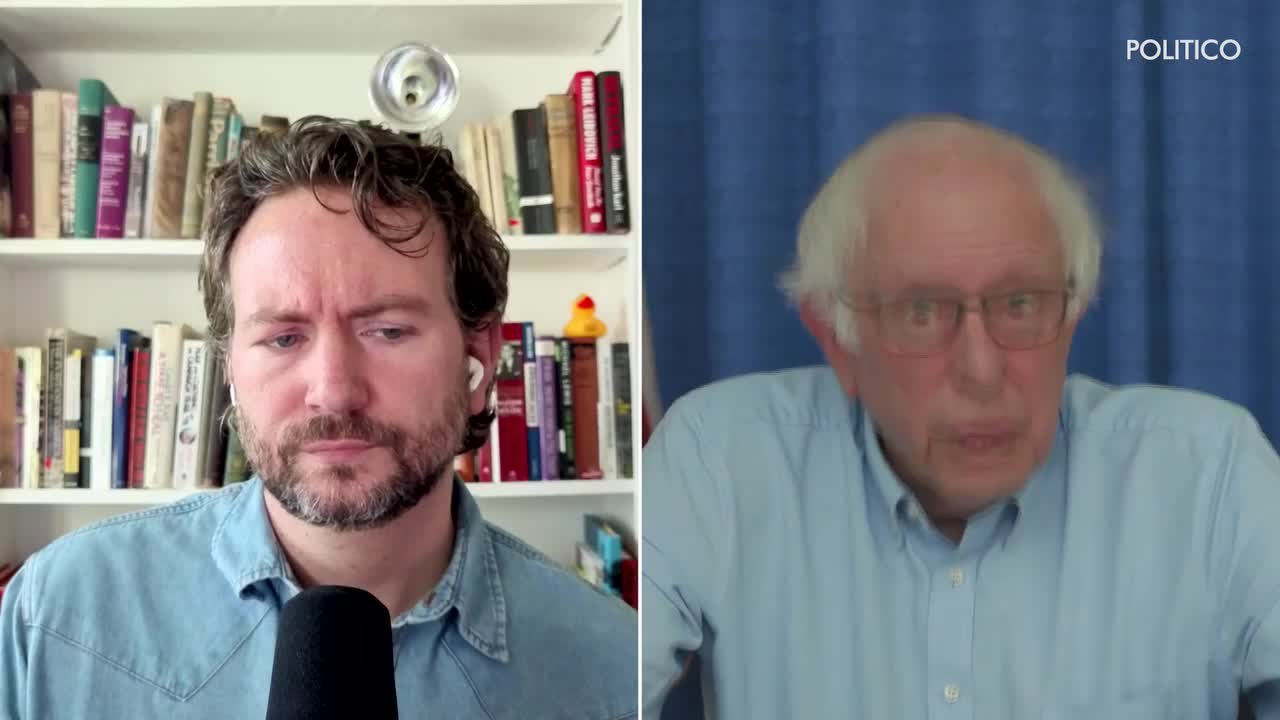
As Capitol Hill navigates a shifting political landscape, Senator Bernie Sanders defends the ascendant progressive wing, pointing to tangible electoral victories and asserting a transformative mandate for the Democratic Party's future governance.
By Nexvoro Tech Wire
PUBLISHED SUN, SEP 6, 2026 1:07 PM UTC • 5 MIN READ
The Evolving Landscape of Progressive Politics in Washington
WASHINGTON — In the corridors of power on Capitol Hill, the debate over the ideological soul of the Democratic Party has entered a critical new phase. Senator Bernie Sanders, the veteran independent from Vermont and standard-bearer of the American left, has advanced a bold defense of the party’s progressive wing, insisting that populist policy platforms are no longer a liability in general elections, but rather the primary engine driving voter turnout and legislative momentum. Speaking amidst a flurry of congressional oversight hearings and administrative policy debates, Sanders pointed to a series of recent electoral successes across municipal, state, and federal contests to argue that the progressive agenda—centered on economic inequality, healthcare reform, and climate action—resonates deeply with the modern American electorate.
This assertion comes at a delicate juncture for federal governance. Constitutional scholars and policy analysts are closely examining the statutory implications of progressive policy proposals as they transition from campaign rhetoric to concrete legislative frameworks. With congressional committees weighing administrative compliance and federal spending initiatives, the debate over how far left the party can pivot without alienating moderate constituencies remains a central preoccupation for strategists in both major political parties.
Legislative Implications and Constitutional Scrutiny
The intersection of progressive policy ambitions and institutional reality has long tested the machinery of Capitol Hill. As administrative agencies implement sweeping regulatory changes and federal courts evaluate the boundaries of executive authority, lawmakers on both sides of the aisle are forced to navigate complex statutory frameworks. Analysts note that while Sanders and his allies have successfully shifted the national conversation on issues such as wealth taxation, labor rights, and public health investments, translating these priorities into durable federal law requires complex bipartisan negotiation and strict adherence to constitutional precedent.
Legal scholars point out that executive actions and administrative rulemakings championed by the progressive wing frequently face rigorous judicial review. The delicate balance of power between federal agencies, state legislatures, and the judiciary means that every major policy victory won by the left must withstand intense legal challenges. Consequently, congressional oversight has become an increasingly vital arena, where lawmakers debate not only the merits of specific statutes but also their long-term enforceability under evolving constitutional doctrines.
Electoral Strategy and the Broader National Outlook
At the heart of Sanders' recent commentary is a strategic pivot regarding electability. For decades, conventional political wisdom dictated that candidates must occupy the political center to secure broad-based electoral success. However, Sanders and contemporary progressive organizers argue that high voter turnout, fueled by enthusiastic grassroots mobilization around progressive economic principles, dismantles that traditional calculus. By focusing on issues that directly impact working-class families—such as prescription drug pricing, minimum wage adjustments, and robust infrastructure investments—progressive candidates have demonstrated significant appeal in diverse districts.
As public reaction unfolds across Washington and state capitols nationwide, political observers expect sustained dialogue regarding the future of American political coalitions. Party leadership faces the ongoing challenge of unifying disparate factions, bridging the gap between pragmatic centrists and visionary progressives to maintain a cohesive legislative agenda. Whether this coalition can sustain its momentum through upcoming electoral cycles will depend heavily on legislative delivery, economic conditions, and the ability of progressive leaders to institutionalize their policy gains.
Future Outlook for Federal Governance and Policy
Looking ahead, the influence of the progressive wing on federal policy will likely serve as a defining characteristic of contemporary American politics. As administrative agencies continue to draft complex regulations and federal courts issue pivotal rulings, the interplay between grassroots activism and institutional governance will shape the nation's trajectory. For executive leadership, corporate stakeholders, and policy analysts alike, understanding the mechanisms driving this progressive ascendancy is essential for navigating the regulatory and legislative environment of the United States.
Reporting synthesized under Nexvoro.tech Editorial Standards • Referenced via Politico Politics & Law
Verified Dispatch