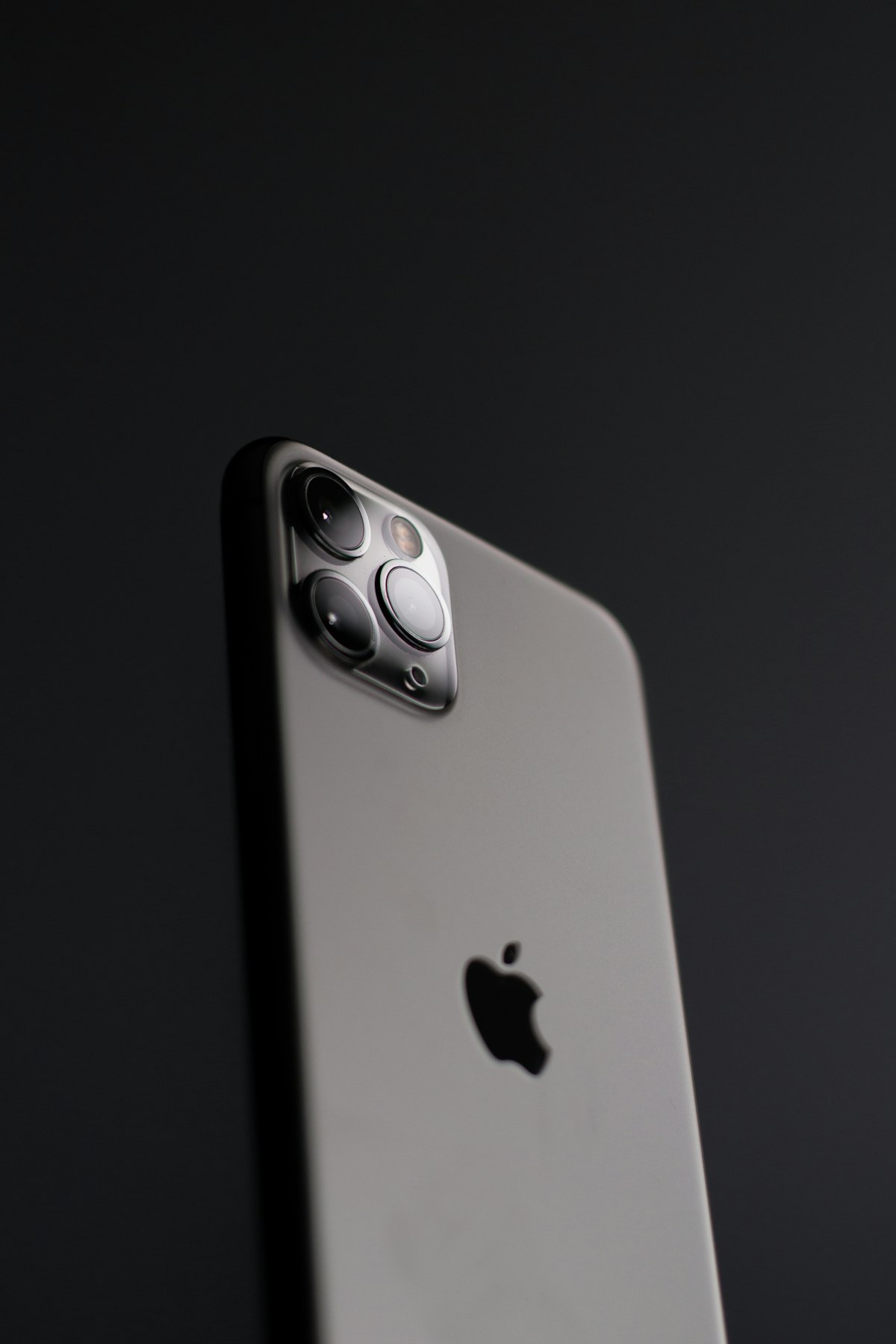
Apple is reportedly in the early stages of developing a screenless, Whoop-like fitness tracker featuring a thin fabric band and a sensor-equipped computing module. The conceptual device, which faces a potential release window no earlier than 2028, signals Apple's growing strategic ambitions in continuous health monitoring and athletic analytics.
By Nexvoro Tech Wire
PUBLISHED TUE, SEP 22, 2026 5:20 PM UTC • 6 MIN READ
Apple Enters the Continuous Wearables Arena
Apple is actively working on a new fitness tracker designed with a distinct screenless architecture, positioning the tech giant to challenge specialized continuous-monitoring competitors like Whoop. According to reporting from Bloomberg, current prototypes of the device feature a thin fabric band paired with a centralized sensor-equipped computing module. This form factor breaks away from traditional rigid smartwatch designs, favoring a minimalist, low-profile approach tailored for 24/7 wearability.
While the project highlights Cupertino's ongoing exploration of alternative wearable form factors, industry observers should note that the device remains in an early stage of development. Current internal timelines indicate that if Apple ultimately greenlights the hardware for a commercial launch, the product likely would not arrive on the market before 2028. This long runway underscores the rigorous engineering and biometric validation required to bring a brand-new hardware category into Apple's tightly integrated ecosystem.
Analyzing the Whoop Competitive Landscape
To understand the strategic rationale behind Apple's exploratory hardware, one must examine the market footprint established by Whoop and its ecosystem of biometric bands. Whoop currently markets its flagship lineup of 5.0 bands alongside specialized "medical grade" (MG) variants that incorporate advanced built-in EKG features. These devices are intentionally engineered to be worn continuously, supported by extreme battery longevity that routinely delivers more than 14 days of continuous operation between charges.
In contrast, traditional smartwatches often require daily charging routines, which inherently creates gaps in continuous physiological data collection during sleep or recovery periods. By investigating a screenless, fabric-bound module optimized for endurance, Apple is directly probing the exact value proposition that has allowed competitors like Whoop, Oura, and Fitbit to capture dedicated segments of the fitness and recovery tracking market.
Bridging Software Features and Hardware Integration
Apple's hardware explorations are closely mirrored by recent software evolutions across its existing product ecosystem. As Bloomberg points out, Apple has already incorporated several advanced metrics pioneered by competitors like Whoop into its newly announced Apple Watch Series 12, most notably continuous heart rate tracking capabilities.
Furthermore, the Apple Health app has expanded its analytical suite to include a prominent "readiness score," a metric widely utilized by Fitbit, Oura, and Whoop to evaluate a user's physiological preparedness for physical exertion based on a multi-factor algorithmic assessment. Alongside this recovery metric, Apple has integrated functionality that provides users with an estimate of their biological age, cementing the company's broader push into preventative healthcare and deep biometric profiling.
Strategic Implications for the Wearables Industry
Should Apple formalize its development efforts and bring a Whoop-like tracker to market by the end of the decade, the competitive dynamics within the consumer health tech sector will face a seismic shift. Major technology corporations are increasingly recognizing that dedicated fitness enthusiasts and elite athletes demand unobtrusive, screen-free devices that prioritize uninterrupted data streams over notification-heavy interfaces.
For established players in the continuous monitoring space, Apple's exploratory hardware serves as both validation of their product philosophy and a formidable long-term competitive threat. As research and development continue inside Apple's labs, the convergence of advanced software readiness algorithms and minimalist hardware design points toward a future where continuous biometric tracking becomes entirely frictionless for the everyday consumer.
Reporting synthesized under Nexvoro.tech Editorial Standards • Referenced via The Verge
Verified Dispatch