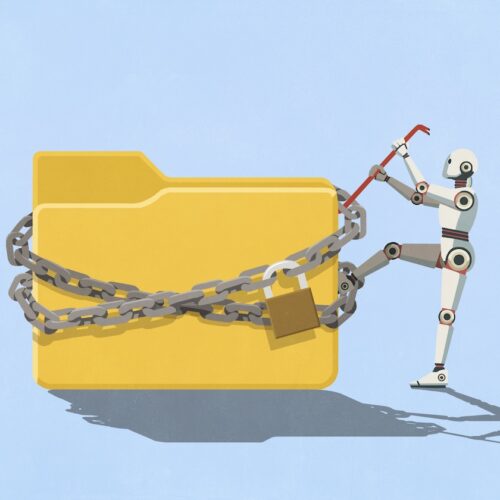
New cybersecurity intelligence reveals that nearly 20% of American water and wastewater providers are vulnerable to unauthorized access via stolen employee credentials. The findings highlight a systemic security gap that bypasses even the most sophisticated multi-factor authentication protocols.
By Nexvoro Tech Wire
PUBLISHED TUE, SEP 22, 2026 5:19 PM UTC • 7 MIN READ
The Invisible Threat to National Infrastructure
A sobering new report from cybersecurity defense firm SpyCloud has exposed a significant vulnerability within the backbone of American public utility systems. Research indicates that well over a thousand U.S. water and wastewater providers are currently exposed to potential cyberattacks due to the proliferation of password-stealing malware. These malicious programs are capable of harvesting not only employee passwords but also active logged-in session tokens, granting bad actors a seamless entry point into sensitive operational networks.
This discovery underscores a growing concern among national security experts regarding the ease with which critical infrastructure can be compromised. While the cybersecurity landscape is increasingly dominated by discussions surrounding AI-driven threats, the SpyCloud findings serve as a stark reminder that traditional, low-tech methods - such as credential theft - remain the most efficient path for adversaries to penetrate secure networks. The research highlights a systemic weakness that persists despite heightened awareness of the risks facing the nation's essential utility providers.
Quantifying the Exposure: A Systemic Vulnerability
To assess the scope of the threat, SpyCloud constructed a comprehensive database of more than 66,000 public-facing systems registered with the U.S. Environmental Protection Agency (EPA), representing approximately 10,000 distinct organizations. The firm's analysis revealed that password-stealing malware had successfully compromised credentials from 1,787 of these organizations - nearly two out of every ten providers examined. Of particular concern is the finding that at least 250 of these organizations had credentials exposed that appeared to grant direct access to operational networks and remote-access systems, which are responsible for controlling physical infrastructure such as water pumps and flow levels.
The research also illuminated the dangerous ripple effects of third-party supply chain vulnerabilities. In one notable case, an unnamed metering technology provider suffered a network infection that allowed malware to harvest credentials for 167 separate U.S. utility companies relying on that provider's equipment. Jason Lancaster, Chief Investigations Officer at SpyCloud, noted that this single breach effectively handed criminals the keys to access a hundred otherwise unrelated organizations, demonstrating how a single point of failure can jeopardize the integrity of water supplies across multiple jurisdictions.
The Mechanics of Infostealers and Session Hijacking
Password-stealing malware, commonly referred to as 'infostealers,' represents a sophisticated evolution in cybercrime. Unlike traditional phishing, which relies on tricking a user into revealing their password, infostealers surreptitiously harvest stored credentials directly from a victim's device. Furthermore, these programs capture session tokens - the digital 'keys' that keep a user logged into a service. By utilizing these tokens, hackers can effectively impersonate a legitimate employee, often bypassing multi-factor authentication (MFA) systems that would otherwise block unauthorized access.
Once obtained, these credentials are frequently traded on illicit marketplaces, where they become available to the highest bidder. This creates a secondary market for access that allows threat actors to target specific organizations with surgical precision. The researchers emphasize that while the industry is rightfully focused on the risks posed by AI-generated exploits, the commoditization of stolen session tokens remains a primary vector for unauthorized network entry, necessitating a shift in how utility providers manage remote-access security.
Navigating the Dual Threat Landscape
This research arrives in the wake of a series of high-profile cyberattacks targeting water providers across the United States, incidents that the U.S. government has privately attributed to Iran-backed hackers. SpyCloud clarified that there is no evidence suggesting those specific attacks relied on the stolen passwords identified in their study. Instead, those incidents appear to have exploited known security weaknesses, such as manufacturer-set default passwords in mechanical switches and physical controllers - a vulnerability profile that aligns with previous warnings issued by the Cybersecurity and Infrastructure Security Agency (CISA).
Despite the distinction between these two types of threats, the message for the water sector is clear: they must hold both stories at once. Protecting critical infrastructure requires a multi-layered defense strategy that addresses both the physical vulnerabilities of legacy hardware and the digital vulnerabilities of modern credential management. As Lancaster noted, the current environment demands that utility providers treat stolen passwords as a major source of access for anyone willing to purchase or search for them, necessitating a more rigorous approach to identity security and network monitoring.
Reporting synthesized under Nexvoro.tech Editorial Standards • Referenced via TechCrunch
Verified Dispatch