As U.S. and Chinese leadership navigate a fragile diplomatic landscape, new channels for artificial intelligence dialogue emerge alongside familiar trade tensions. High-level summits reveal deep strategic calculations on tariffs, regional security, and economic stability.
By Nexvoro Tech Wire
PUBLISHED TUE, SEP 22, 2026 5:12 PM UTC • 7 MIN READ
High-Stakes Summits and the Quest for Trade Stability
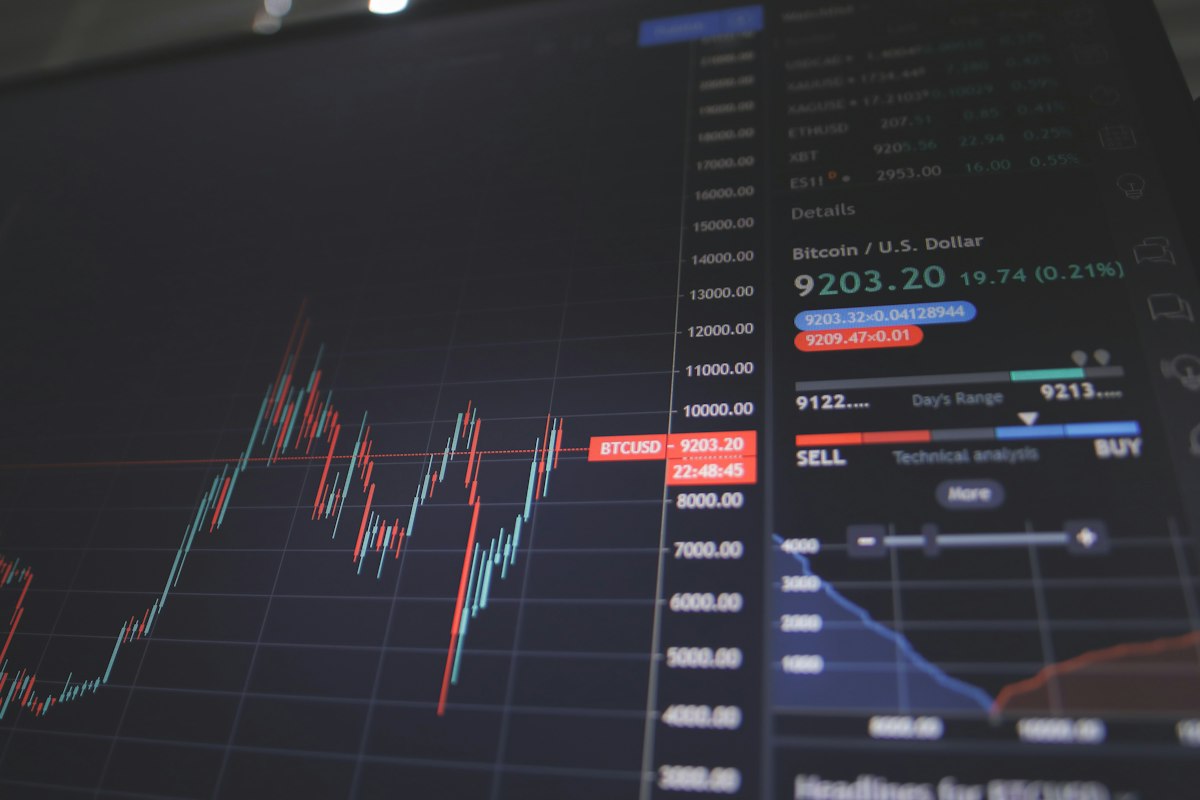
The complex geopolitical dynamic between Washington and Beijing has entered a pivotal new phase, highlighted by high-level bilateral summits designed to forge a lasting truce. As leaders deliberate on the future of international trade, the primary objective remains stabilizing global markets that have long jittered under the weight of escalating tariffs and retaliatory trade measures. Observers and financial analysts are closely monitoring these developments, recognizing that any breakdown in negotiations could trigger immediate ripples across global supply chains and equity benchmarks.
At the center of these discussions is Chinese leadership seeking to extend the existing diplomatic and economic truce with the incoming U.S. administration. Reports from recent summits indicate a concerted effort by Beijing to establish predictable economic parameters, even as formidable policy hurdles remain. While both economic powerhouses express a mutual desire for stability, fundamental disagreements regarding market access, intellectual property protection, and industrial subsidies continue to test the endurance of diplomatic channels.
Financial markets have responded to these diplomatic overtures with cautious optimism, though seasoned Wall Street analysts advise restraint. The looming presence of potential tariff escalations serves as a constant reminder of the fragility inherent in U.S.-China relations. Corporate executives across manufacturing, technology, and finance are actively restructuring their contingency plans, fully aware that geopolitical shifts can instantly alter the operating environment for multinational enterprises.
The Bessent-China AI Hotline and the Rhetoric of Technology
Beyond traditional trade and tariff negotiations, the technological frontier has emerged as a critical arena for bilateral friction and strategic communication. Recent reports have shed light on the establishment of specialized communication channels - including informal and formal dialogue frameworks - addressing artificial intelligence governance and technological competition. The tone surrounding these mechanisms has often been blunt, characterized by sharp private and public assessments of technical rivalries and regulatory compliance.
Describing certain technical assurances and diplomatic posturing with characteristic bluntness, key financial and policy figures have underscored the immense skepticism surrounding bilateral tech accords. The friction involves core questions of national security, semiconductor supply chains, and the rapid dual-use applications of artificial intelligence. As algorithmic models grow more sophisticated, both nations recognize the urgent need to prevent misunderstandings that could escalate into technological decoupling or cyber conflict.
Industry insiders note that while communication lines are open, bridging the philosophical gap between U.S. market-driven innovation and China's state-directed technological ecosystem remains an uphill battle. Technology sector leaders are caught in the crossfire, navigating export controls and compliance mandates while striving to maintain global competitiveness. The AI hotline, while a functional step toward crisis management, remains heavily scrutinized by industry watchers who question its long-term efficacy.
Geopolitical Realities and Regional Security Implications
As economic and technological talks unfold, broader geopolitical flashpoints - particularly concerning regional stability and international flashpoints like Iran - continue to loom large over the proceedings. U.S. policymakers are pressing for comprehensive alignments that extend far beyond bilateral commerce, incorporating global security concerns into every phase of diplomatic engagement. This multifaceted approach ensures that discussions on trade stability cannot be isolated from broader foreign policy objectives.
Foreign policy experts emphasize that current negotiations reflect a transactional approach to international relations, where agreements are constantly weighed against domestic political priorities and strategic advantages. Commentators analyzing the administration's posture point out that leadership remains intensely focused on national interests, navigating foreign adversaries and allies alike with a pragmatic, transactional lens. This dynamic complicates efforts to forge long-term multilateral agreements, favoring instead short-term tactical accommodations.
Furthermore, the integration of security concerns into economic policy has fundamentally altered how multinational corporations operate. Compliance departments must now factor geopolitical risk assessments into investment decisions that were once dictated purely by cost-efficiency and market demand. As governments utilize trade instruments and technological restrictions as tools of statecraft, the traditional boundaries between commerce and national security continue to blur.
Navigating Uncertainty: Market Sentiment and Expert Analysis
Market participants are currently digesting a barrage of conflicting signals, balancing the promise of a renewed trade truce against the stark reality of persistent structural divisions. Financial institutions are allocating significant resources toward geopolitical risk analysis, utilizing advanced data models to track regulatory announcements, summit outcomes, and legislative developments in real time. The consensus among economists is that volatility will remain a defining characteristic of global markets for the foreseeable future.
Expert commentary highlights the unpredictable nature of executive decision-making in the current political climate, warning investors against complacency. Whether examining trade policy, AI oversight, or international diplomacy, stakeholders are advised to maintain flexible strategies that can adapt to sudden shifts in executive directives. The interplay between political ambition and economic reality ensures that the path forward will be marked by intense negotiations and high-stakes maneuvering.
Ultimately, the ongoing diplomatic engagement between Washington and Beijing serves as a barometer for the broader state of globalization. While both sides have powerful incentives to avoid a catastrophic economic rupture, the fundamental contest for technological and geopolitical supremacy remains unabated. As these negotiations evolve, governments, corporations, and investors must continuously recalibrate their expectations to survive in a rapidly changing world order.
Reporting synthesized under Nexvoro.tech Editorial Standards • Referenced via Google News US Nation & Law
Verified Dispatch