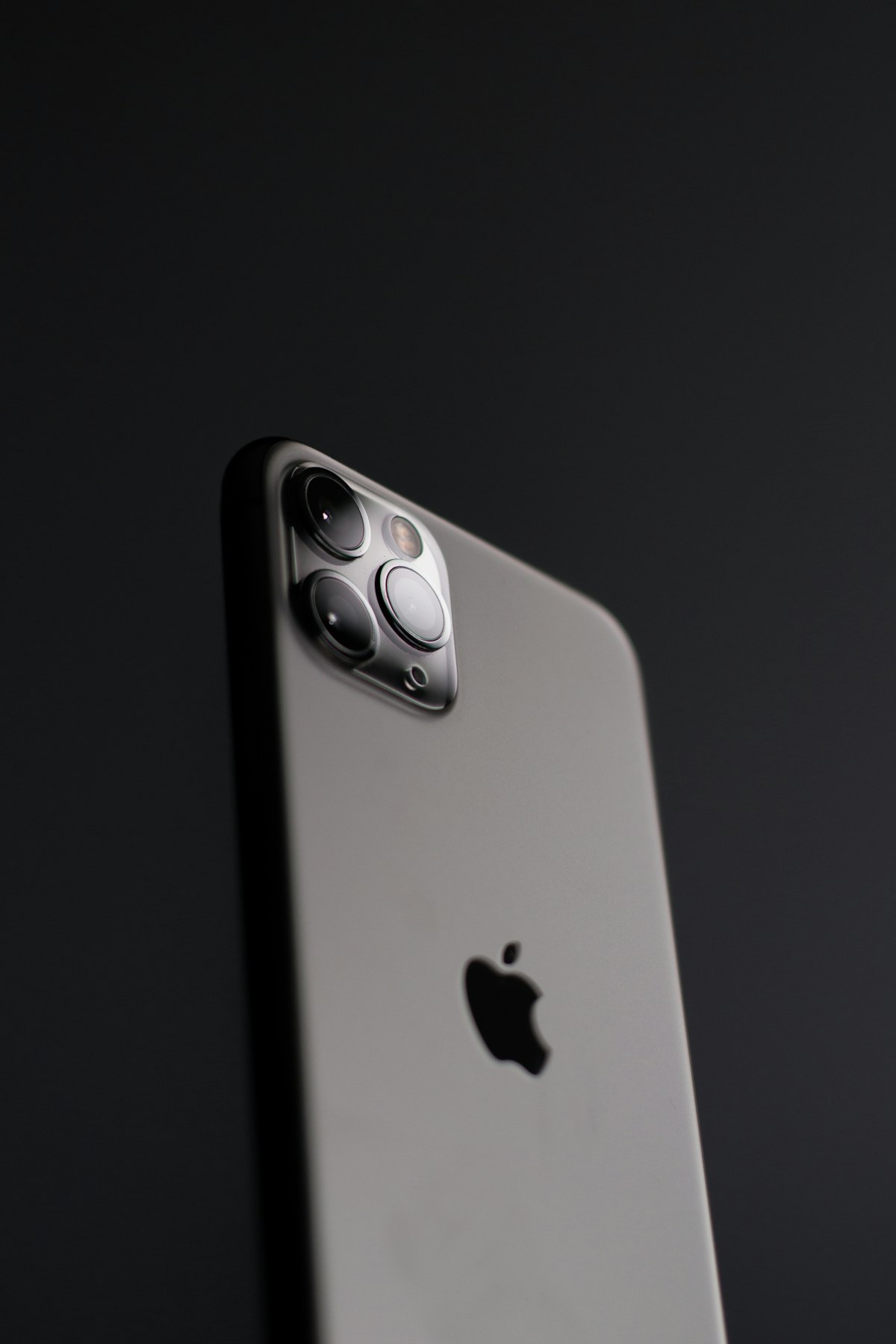
With the unveiling of iOS 27, Apple's upcoming 'iPhone Handoff' feature is set to redefine mobile connectivity by allowing a single phone number to be shared natively across two distinct devices, with T-Mobile positioned as the initial US carrier partner.
By Nexvoro Tech Wire
PUBLISHED SUN, SEP 6, 2026 1:07 PM UTC • 5 MIN READ
The Evolution of Mobile Connectivity: Unveiling iOS 27's Handoff Architecture
For nearly two decades, the foundational paradigm of mobile telephony has remained rigidly tethered to a one-to-one relationship: one physical SIM or eSIM per device, bound to a single telephone number. However, the unveiling of iOS 27 shatters this long-standing constraint through the introduction of 'iPhone Handoff.' This pioneering feature introduces native protocol-level support enabling a single mobile subscriber identity to be shared seamlessly across two separate iPhone handsets. According to verified industry reports, this capability moves far beyond traditional call-forwarding or multi-device VoIP workarounds. Instead, it utilizes advanced cloud synchronization and secure cryptographic handshakes to mirror cellular identity, messaging threads, and active session states in real time. For professionals, enterprise executives, and power users who routinely juggle multiple devices for workflow segmentation, this technological leap promises to eliminate the friction of dual-device management.
Strategic Carrier Integration and T-Mobile’s First-Mover Advantage
While the underlying software architecture resides natively within iOS 27, executing a seamless multi-device, single-number ecosystem requires deep infrastructure-level collaboration between Apple and tier-one telecommunications providers. Industry intelligence indicates that T-Mobile is poised to become the primary domestic launch partner for the feature within the United States. By updating its core network routing and provisioning systems, the carrier is preparing to support dual-device authentication without requiring distinct billing profiles or secondary data-only add-ons. This strategic positioning not only reinforces T-Mobile's reputation for aggressive enterprise innovation but also places immediate pressure on legacy competitors like Verizon and AT&T to accelerate their own technical roadmaps to accommodate consumer demand for unified mobile identities.
Enterprise Impact and Shifting Corporate Resource Allocation
Within the US corporate and commercial sectors, the implications of iPhone Handoff extend deeply into device lifecycle management and enterprise mobility strategies. Traditionally, organizations issuing corporate mobile hardware faced strict compliance and productivity hurdles when employees attempted to manage both personal and professional lines. The capability to share a single primary identity across distinct handsets allows knowledge workers to maintain a dedicated device for secure enterprise applications while retaining a secondary, highly portable device for personal use—all without missing inbound communications or managing disparate messaging threads. Corporate IT departments are already recalculating hardware deployment budgets, anticipating that this feature will streamline fleet management, reduce carrier subscription overhead, and elevate overall workforce responsiveness in hybrid work environments.
Macroeconomic Outlook and Future Regulatory Scrutiny
As this capability transitions from beta testing toward widespread commercial rollout, institutional investors and market analysts are closely monitoring its broader macroeconomic trajectory. The integration of single-number multi-device sharing shifts consumer expectations regarding carrier lock-in, potentially increasing subscriber mobility across networks that support advanced Apple ecosystem features. Furthermore, as telecommunications and consumer electronics converge even further under such sophisticated interoperability protocols, federal regulatory bodies are expected to monitor market competition and standard access requirements. For stakeholders across North America's technology and telecommunications landscape, iPhone Handoff represents a pivotal inflection point, signaling that the future of mobile communication is increasingly device-agnostic yet identity-centric.
Reporting synthesized under Nexvoro.tech Editorial Standards • Referenced via Google News US Technology
Verified Dispatch