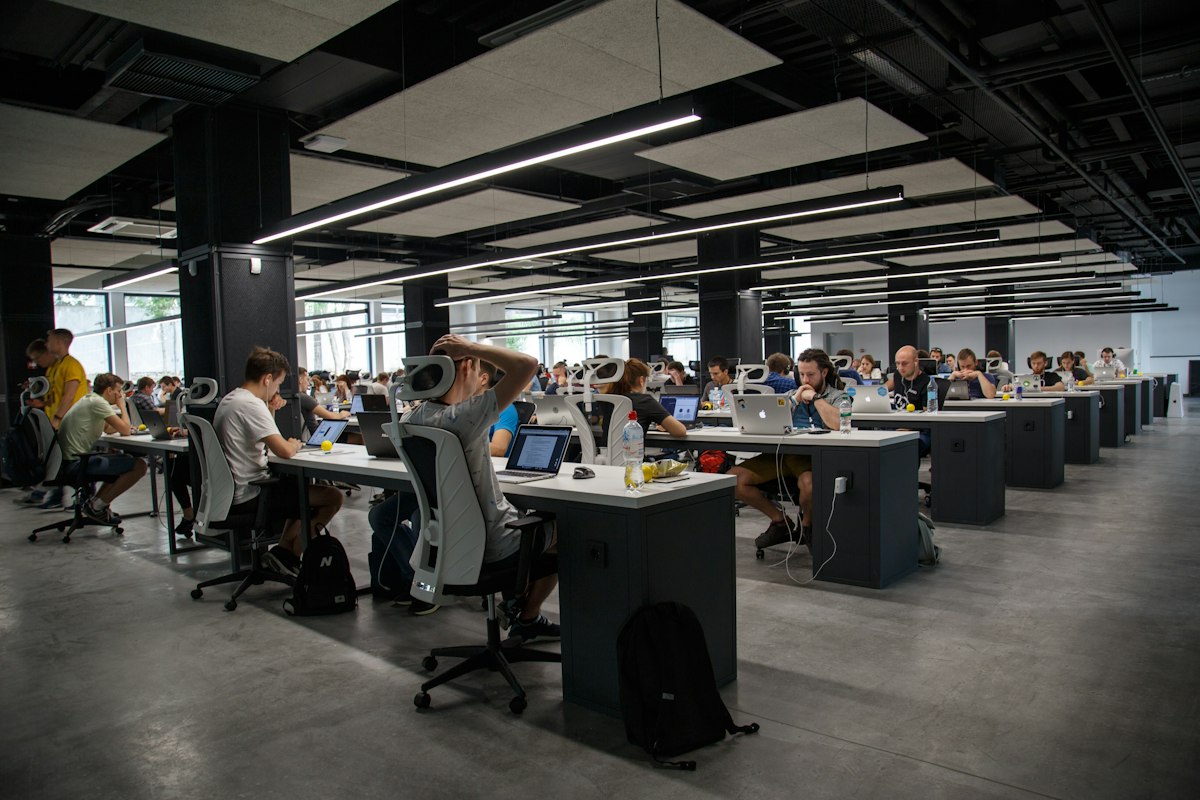
As tech executives faced fierce protests from Extinction Rebellion NYC during Climate Week, discussions revealed a striking paradox: while data centers dominate energy debates, global climate impact remains secondary to immediate local community grievances.
By Nexvoro Tech Wire
PUBLISHED SUN, SEP 27, 2026 10:45 AM UTC • 6 MIN READ
Climate Week Panel Interrupted by Activists
The post-lunchtime Climate Week panel featuring tech executives working on artificial intelligence and data centers was only about a minute into the discussion when a man stood up a few rows over from the audience and started yelling. 'The idea that we can keep running on fracked gas is a lie!' he exclaimed as security quickly tackled him. The panel attempted to get back to business after the protester was removed, only to be interrupted again when another person stood up from the crowd.
That dynamic defined the proceedings for the next 10 minutes as protesters with the group Extinction Rebellion NYC staged coordinated interruptions. They shouted about the various harms of artificial intelligence over the speakers on stage, while the panelists tried valiantly to continue their conversation. For nearly a decade, Extinction Rebellion groups have used public protest to draw attention to the climate emergency, staging disruptions at corporate-friendly events like this one at Climate Week.
Usually, these types of interruptions draw polite silences or subtle eyerolls from panelists waiting for them to stop. However, this experience seemed particularly frustrating to these specific industry leaders. Cully Cavness, the co-founder and president of data center infrastructure company Crusoe, confessed to the session's moderator that he was still thinking about the interruption several minutes after security had escorted the final protester out of the room.
Tech Executives On Edge Amid Surging Public Dissent
It is entirely understandable why the tech figures on stage were feeling tense. The disruption at the panel served as a glaring microcosm of a tough couple of months for data center defenders, with public opinion sitting at rock-bottom levels and moratoriums popping up across both red and blue states alike. Cavness noted at one point that he assumed most of the protesters probably did not even live near a data center and therefore did not understand the substantial benefits they could bring to the local tax base.
Meanwhile, Emerald AI's Varun Sivaram forged ahead during the session, talking about how data centers could eventually become 'good citizens' capable of working directly with the electrical grid to lower utility bills and bring more clean energy online. 'Careful what you wish for,' Sivaram cautioned the now-absent protesters near the end of the session, warning that depriving local communities of data centers could ultimately deprive them of good corporate actors who might otherwise help transform the aging grid.
Lots of everyday citizens might take the opportunity, much like the protesters did, to yell at a data center executive if given the chance. But unlike the dedicated members of Extinction Rebellion NYC, large-scale climate change almost certainly wouldn't be the first thing on their minds. While data centers were undeniably a hot topic at Climate Week, it remains a self-selecting environment where attendees naturally care deeply about one particular global issue.
The Dominance of Local Environmental Concerns
Local concerns - the exact kind Sivaram and Cavness seemed to be reacting to - have utterly dominated the larger national conversation surrounding data center dissent. Poll after poll consistently show that climate change is actually one of the last data center-related environmental concerns on the list for many American voters, lagging far behind water usage, energy consumption and its direct impact on monthly utility bills, as well as local air and noise pollution.
Even some climate-focused individuals, notably venture capital investors, see the state of the global atmosphere as a distinct backseat issue when evaluating market realities. 'Climate Week could basically be 'AI and data center week,' a co-founder and managing partner at VoLo Earth told the Wall Street Journal. 'It's all about energy, and most of us as climate investors, myself included, are focused on the energy system.'
Political Realities on the Campaign Trail
During Climate Week, reporting also caught up with William Lawrence, who is currently locked in a tight, highly watched race for Michigan's 7th congressional district. Lawrence knows the climate crisis intimately - he is notably one of the original founders of the Sunrise Movement climate activist group. Today, however, he has made data center opposition, alongside broader skepticism of artificial intelligence, a central cornerstone of his pitch to local voters, a strategy that helped him successfully win a tough Democratic primary.
Lawrence noted during discussions that there are currently at least three hyperscale data center projects actively building out within his district. In response, he recently released a wide-ranging policy platform aimed at stopping rapid artificial intelligence infrastructure development. The platform explicitly states that data centers 'threaten our air, water and quality of life,' yet notably makes zero mention of broader global climate change metrics when engaging with his constituents.
Reporting synthesized under Nexvoro.tech Editorial Standards • Referenced via Wired
Verified Dispatch