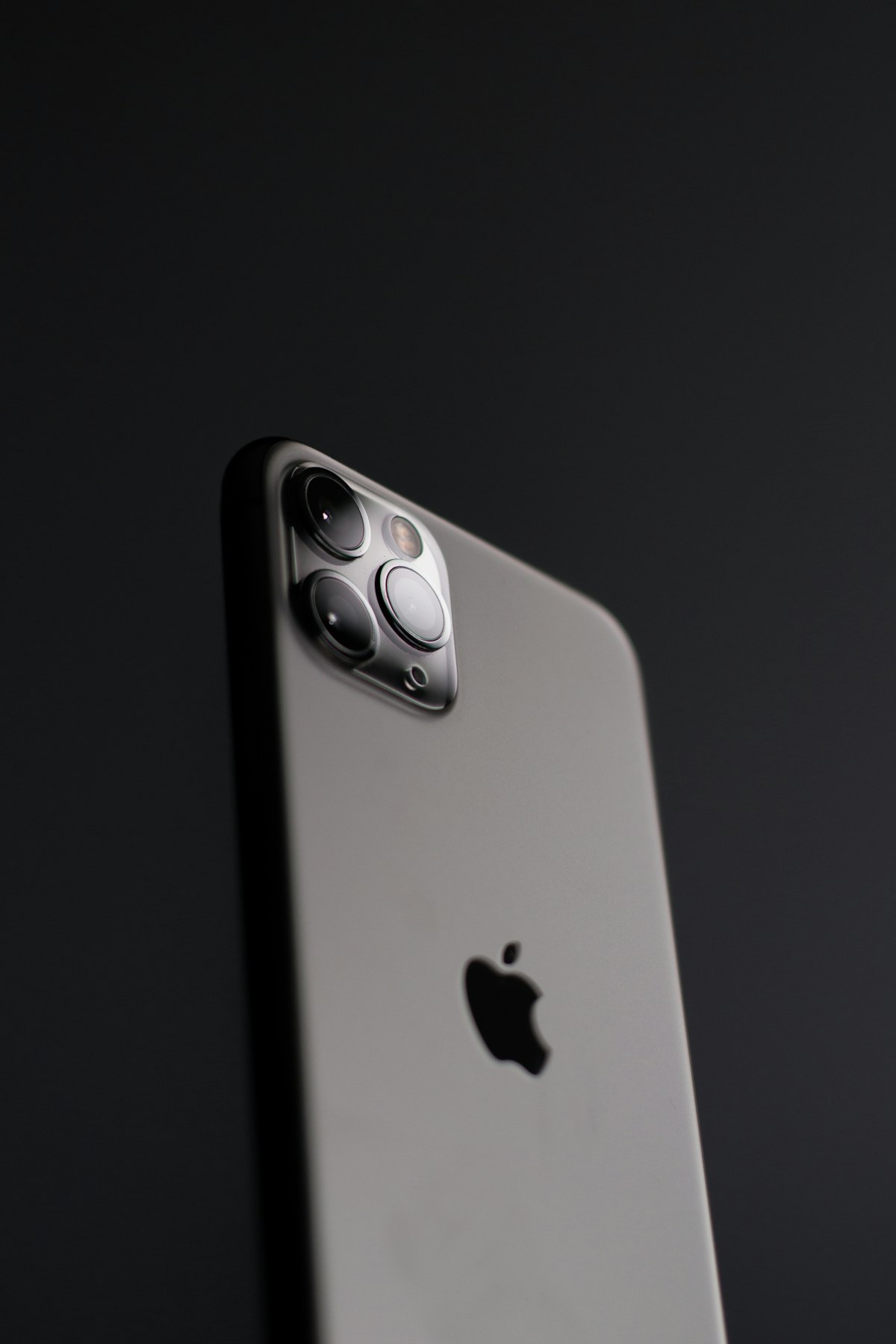
An exhaustive three-week evaluation of the Google Pixel 11 Pro reveals a paradoxical mobile device that defies initial expectations, balancing controversial hardware choices against transcendent software execution and computational photography.
By Nexvoro Tech Wire
PUBLISHED SUN, SEP 6, 2026 1:07 PM UTC • 5 MIN READ
The Paradox of Silicon Expectations
When Google first outlined the developmental roadmap for its hardware ecosystem, industry analysts predicted that the Pixel 11 Pro would struggle to justify its premium market positioning. On paper, incremental iterative upgrades and early manufacturing reports suggested a device caught in a holding pattern. Yet, following an intensive three-week deployment across both domestic and international testing grounds—including rigorous stress tests in metropolitan hubs like Delhi—the device tells a radically different story. For enterprise users and mobile technology enthusiasts alike, the Pixel 11 Pro defies its own spec-sheet limitations, transforming potential disappointments into an addictive, highly capable daily driver.
Computational Mastery Versus Hardware Stagnation
To understand the magnetic appeal of the Pixel 11 Pro, one must look past raw specifications and evaluate the symbiotic relationship between Google’s custom silicon architecture and its proprietary machine learning frameworks. While certain hardware features—such as the much-hyped Pixel 11 Pro HiLight capability—have drawn mixed reviews from early testers who label them a momentary misstep, the camera array as a whole remains an engineering marvel. Comparative field tests pitting the Pixel 11 Pro against rival flagships like the iPhone 17 Pro highlight Google's enduring dominance in computational photography. Dynamic range, low-light fidelity, and contextual AI adjustments continue to set an industry benchmark, proving that software optimization can successfully bridge hardware gaps.
Enterprise Impact and US Market Dynamics
Across the United States, enterprise resource allocation and corporate procurement strategies are shifting in response to Google’s evolving hardware trajectory. IT decision-makers are increasingly prioritizing devices that offer robust, AI-native security integrations and seamless enterprise cloud syncing over mere processor clock speeds. Verified reporting from Google News US Technology indicates that institutional capital deployment in the mobile sector is increasingly favoring ecosystems that demonstrate long-term software support and deep machine learning capabilities. The Pixel 11 Pro, despite its polarizing design choices, reinforces Google’s footprint in the competitive US commercial market, challenging incumbent duopolies and forcing competitors to rethink their feature roadmaps.
Macroeconomic Outlook and Future Integration
As North American regulatory scrutiny intensifies regarding data privacy, on-device artificial intelligence, and proprietary app ecosystems, hardware manufacturers face unprecedented compliance hurdles. Google’s strategic pivot toward hyper-personalized, context-aware mobile computing places the Pixel 11 Pro at the center of this regulatory and technological nexus. Industry stakeholders are monitoring how subsequent operational guidance and software updates will leverage the device's neural processing units. Ultimately, the Pixel 11 Pro proves that the future of mobile technology lies not in brute-force hardware increments, but in the seamless, intelligent integration of hardware and software that keeps users engaged day after day.
Reporting synthesized under Nexvoro.tech Editorial Standards • Referenced via Google News US Technology
Verified Dispatch