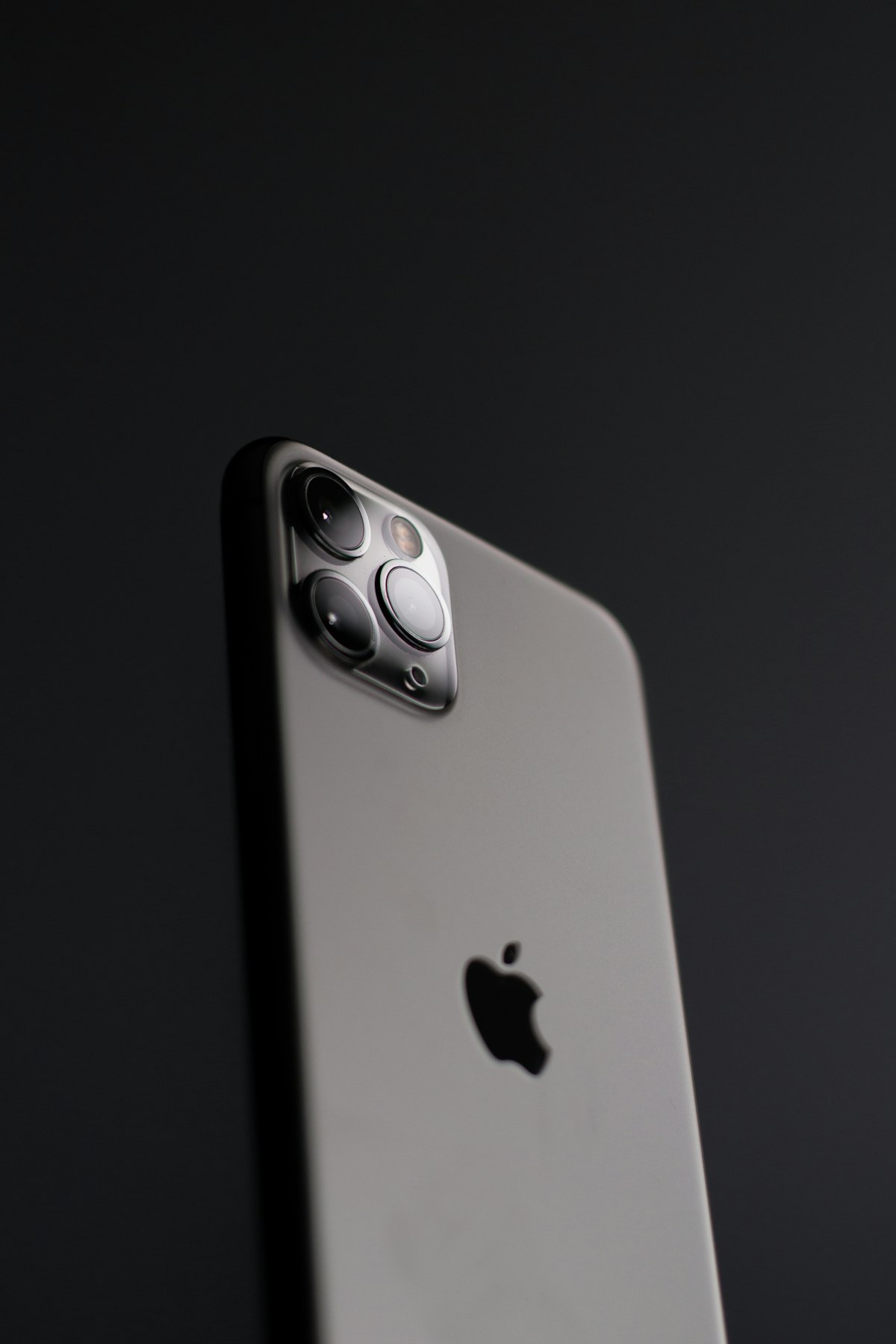
As Cupertino navigates advanced 2nm silicon bottlenecks and an impending executive succession, Apple is reportedly evaluating an overhaul of its sacred annual hardware cadence. The potential recalibration signals a broader pivot toward staggered product lifecycles and aggressive silicon differentiation under hardware chief John Ternus.
The Sacred Autumn Ritual Meets Supply-Chain Physics
For nearly two decades, Apple Inc.’s corporate calendar has revolved around an unyielding, synchronized ritual: the mid-September unveiling of its flagship iPhone. That predictable cadence has anchored global consumer electronics, dictating supply-chain capacity across East Asia, shaping domestic carrier upgrade cycles, and establishing the revenue baseline for Wall Street’s critical holiday quarter. However, whispers echoing from Cupertino and the semiconductor corridors of Hsinchu indicate that this monolithic release strategy is encountering unprecedented operational friction.
Reports surrounding the trajectory of the "iPhone 18" generation suggest that Apple is seriously considering fracturing or recalibrating its conventional release timeline. Rather than deploying a four-model unified assault across entry and Pro tiers this coming cycle, the company is confronting the harsh realities of sub-2-nanometer wafer yields, thermal constraints associated with localized generative AI hardware, and consumer upgrade cycles that have stretched past 40 months. For enterprise analysts and hardware engineers alike, the prospect of a disrupted or staggered iPhone 18 launch represents more than a logistical delay; it marks a fundamental restructuring of how the world's most valuable hardware ecosystem plans to iterate.
The John Ternus Doctrine and Silicon Realignment
Central to this strategic inflection is the ascending influence of John Ternus, Apple’s Senior Vice President of Hardware Engineering, widely regarded by institutional insiders as the primary operational heir to Chief Executive Officer Tim Cook. Ternus, who has overseen the silicon transition across Mac and iPad lines and orchestrated the structural engineering of recent iPhone architectures, brings an intensely pragmatic, modular philosophy to product pipelines.
Under Ternus’s direction, the hardware engineering group is contending with Taiwan Semiconductor Manufacturing Co.’s (TSMC) complex rollout of its 2-nanometer (N2) node architecture. The transition to Gate-All-Around (GAA) nanosheet transistors, coupled with advanced backside power delivery networks (BSPDN), represents the most expensive and yield-sensitive semiconductor leap in modern computing. With Apple securing early capacity allocations at immense capital premiums, rushing an entire unified fleet—from baseline consumer variants to high-margin Pro Max flagships—onto cutting-edge lithography within an arbitrary September window creates structural margin risk. By decoupling release schedules, Apple can reserve bleeding-edge silicon fabrication for ultra-premium tiers while maximizing amortized node efficiencies across high-volume baseline devices.
The Bifurcated Release Strategy: Tackling Consumer Upgrade Inertia
Consumer electronics markets in North America and Western Europe have reached a state of definitive saturation. The days of double-digit annual unit volume expansion have yielded to an environment defined by replacement cycles and Average Selling Price (ASP) optimization. Modern smartphones are durable, computational performance outpaces typical user demand, and iterative optical and chassis updates no longer catalyze immediate trade-ins.
To counter this structural inertia, Apple appears poised to embrace a bifurcated release framework similar to the playbook utilized in the automotive and luxury watch sectors. Industry supply-chain analyses suggest Apple may establish an alternating launch cadence: positioning ultra-thin, experimental, or ultra-premium hardware in one seasonal window, while cycling baseline and enterprise-tier devices in another.
This decoupled cadence accomplishes three vital strategic objectives:
1. **Continuous Capital Inflows:** It flattens the extreme revenue seasonality that historically concentrated cash flows in Apple’s fiscal first quarter.
2. **Component Cost Mitigation:** It gives key suppliers—from display panel fabricators like Samsung Display and LG Display to acoustic and chassis vendors—longer manufacturing runways, mitigating overtime surge costs.
3. **Marketing Airtime:** It provides distinct hardware narratives room to breathe, preventing secondary device tiers from being cannibalized by flagship media coverage.
Wall Street Calculations: Protecting the $400 Billion Flywheel
From an institutional investor perspective, altering the cadence of Apple's primary revenue engine introduces short-term modeling volatility, but protects long-term structural margins. The iPhone franchise generated over $200 billion in net sales over the past fiscal year, functioning as the foundational anchor for Apple’s high-margin Services division, which includes iCloud, Apple Pay, the App Store, and enterprise subscriptions.
Equities analysts at major investment banks have voiced growing concern that forcing massive, highly capital-intensive hardware redesigns into a rigid 12-month window forces Apple to absorb margin compression during the early manufacturing ramp. By staggering hardware releases and strategically holding the formal "iPhone 18" moniker for when technological leaps genuinely warrant the generational badge, Cupertino preserves its pricing power. Furthermore, carrier partners across the United States, including Verizon, AT&T, and T-Mobile, have quietly signaled a preference for distributed promotional campaigns rather than concentrating balance-sheet strain and trade-in liabilities exclusively in the fourth calendar quarter.
The Competitive Chessboard and the Edge-AI Imperative
While Apple recalibrates its hardware execution, the broader competitive ecosystem is accelerating. Competitors in the Android flagship enclave—spearheaded by Samsung Electronics and Alphabet's Google—have leaned heavily into rapid, localized hardware iterations. Qualcomm’s Snapdragon platforms and MediaTek’s high-end silicon have closed the computational gap with Apple’s A-series silicon, particularly in multi-core throughput and neural processing efficiency.
More critically, the industry-wide rush toward on-device Artificial Intelligence requires substantial silicon real estate. Running multi-billion-parameter Large Language Models (LLMs) locally at zero latency necessitates massive memory bandwidth, unified memory pools scaling to 12GB or 16GB of LPDDR5X RAM, and dedicated, power-efficient Neural Processing Units (NPUs). If Apple’s next-generation architectural leap requires deeper silicon integration to run complex Apple Intelligence workloads natively, delaying or restructuring the iPhone 18 platform ensures the hardware ships without thermal or performance compromises that could damage the brand's premium enterprise reputation.
The Long-Term Horizon: Beyond the Monolithic Flagship
Ultimately, the potential absence of a singular, monolithic iPhone 18 cycle in the traditional autumn timeframe reflects a company transitioning from a rapid-expansion smartphone manufacturer to a diversified, mature computing conglomerate. As consumer form factors fragment toward ultra-thin profiles, foldables, and spatial computing peripherals like Vision Pro, the concept of a single device defining a company's technological calendar is rapidly becoming an anachronism.
For enterprise decision-makers, IT procurement executives, and software developers, this transformation signals a more deliberate, mature platform roadmap. Hardware upgrades will increasingly be dictated by foundational leaps in silicon efficiency, thermal physics, and edge intelligence rather than the arbitrary tyranny of the calendar year.
Reporting synthesized under Nexvoro.tech Editorial Standards • Referenced via Google News US Technology
Verified Dispatch