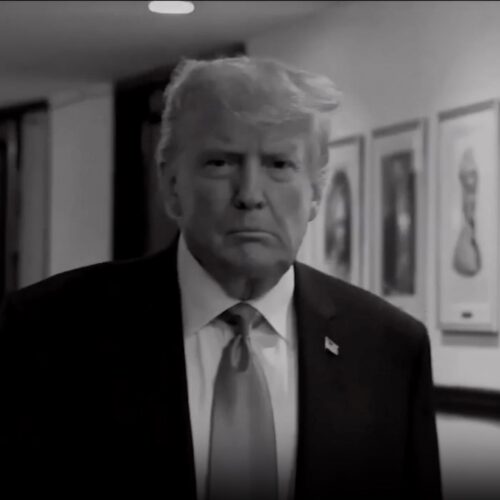
California Governor Gavin Newsom has signed aggressive new legislation banning law enforcement officers from using electric-shock gloves. The measure directly counters planned equipment rollouts by federal immigration authorities.
By Nexvoro Tech Wire
PUBLISHED WED, SEP 30, 2026 7:24 AM UTC • 6 MIN READ
Legislative Crackdown on Federal Tactics
In a decisive legislative move, California Governor Gavin Newsom has officially signed a series of new state laws designed to rein in federal immigration enforcement efforts. The cornerstone of this legislative package is a comprehensive statewide ban prohibiting law enforcement officers from utilizing electric-shock gloves. This swift policy intervention comes directly on the heels of leaked federal disclosures revealing that Immigration and Customs Enforcement (ICE) intended to equip its operational agents with the controversial compliance technology.
The legislative action underscores an escalating jurisdictional tug-of-war between the Golden State and federal immigration authorities. State leaders, working in tandem with the governor's office, framed the measure as an essential safeguard for civil liberties and public safety. By explicitly outlawing the tactical deployment of electric-shock devices within state borders, California lawmakers have drawn a hard statutory line against what they characterize as escalating and overly aggressive federal enforcement tactics.
Constitutional Debates and Legal Frameworks
The passage of these new statutes immediately brings to the forefront complex constitutional debates regarding federalism, state sovereignty, and the supremacy clause. Legal analysts note that while the federal government maintains broad authority over immigration enforcement and national security operations, states retain significant latitude in regulating local law enforcement standards and policing equipment within their jurisdictions. This dynamic sets the stage for potential legal challenges in federal courts as the administration evaluates the state's restrictions on federal agency gear.
Proponents of the legislation within the California State Portal and legislative chambers argue that the use of electric-shock gear by federal personnel operating locally undermines community trust and public safety standards established by state legislature. Conversely, federal defenders contend that standardized tactical equipment is necessary to ensure officer safety during high-stakes compliance and detention operations. The resulting legal friction highlights the growing reliance on state-level statutory barriers to shape national policy outcomes.
Broader Immigration Enforcement Counter-Measures
The electric-shock glove ban is part of a broader, multi-pronged legislative package signed by Governor Newsom that specifically targets federal immigration enforcement operations. Alongside the equipment prohibition, the newly enacted laws include targeted measures such as a specialized tax on private detention centers operating within the state. These coordinated fiscal and regulatory instruments are engineered to increase operational friction and financial costs for federal detention and deportation campaigns.
As the broader national debate intensifies surrounding federal deportation strategies, California continues to position itself as the primary legislative bastion of resistance. State leaders emphasize that these coordinated statutory measures reflect the collective will of Californians to protect immigrant communities from what they view as punitive enforcement actions. The ongoing implementation of these laws will likely serve as a blueprint for other states seeking to erect legal firewalls against federal administrative mandates.
Operational Impact and Future Outlook
For federal agencies like ICE, the California restrictions introduce immediate operational hurdles, forcing logistical re-evaluations of tactical deployments within the state. Equipment standardization, which is critical for federal training protocols, must now account for localized state bans that carry legal penalties for non-compliance. Agency planners are currently reviewing how these state-level statutory constraints will affect day-to-day field operations and officer safety protocols moving forward.
As the political landscape continues to shift, the long-term viability of these state-federal clashes will likely be determined in appellate courts. Legal scholars anticipate a protracted series of motions and injunctions as the federal government seeks to invalidate state laws that interfere with federal operational duties. Meanwhile, California officials remain steadfast in their commitment to enforcing the new statutes, ensuring that the intersection of state law and federal immigration policy remains a central battleground.
Reporting synthesized under Nexvoro.tech Editorial Standards • Referenced via Google News US Nation & Law
Verified Dispatch