As automotive manufacturers wrestle with complex software ecosystems, third-party adapters like Ottocast are seizing a massive market opportunity by retrofitting wireless Apple CarPlay into millions of legacy vehicles. We investigate the underlying tech, market dynamics, and what this means for the future of in-car digital experiences.
By Nexvoro Tech Wire
PUBLISHED SAT, SEP 5, 2026 2:55 PM UTC • 7 MIN READ
The Friction of the Wired Cockpit
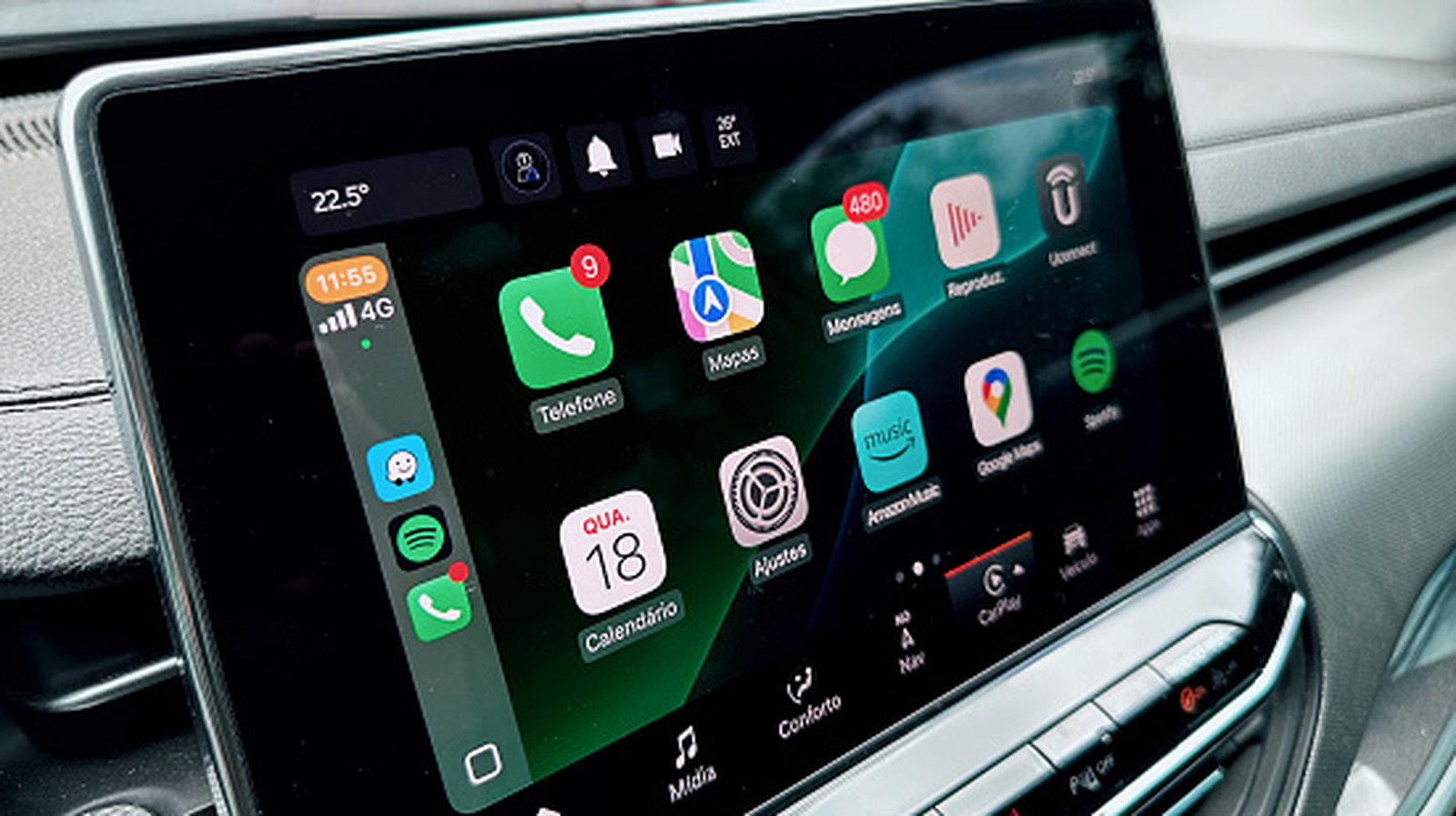
For the past decade, Apple CarPlay and Android Auto have transformed the modern automobile dashboard, transitioning cars from isolated mechanical machines into extensions of our digital lives. Yet, despite widespread adoption across virtually every major automotive brand, a persistent point of consumer friction has remained: the tether. For millions of drivers, entering a vehicle still requires physically plugging a Lightning or USB-C cable into a console port to initiate seamless smartphone mirroring. While automakers have slowly integrated wireless protocols into premium and newer models, the vast majority of cars on the road today remain anchored to wired connections.
Enter the aftermarket hardware sector. Companies like Ottocast have capitalized on this exact design gap, engineering compact plug-and-play dongles that promise to eliminate the cable entirely. By bridging the software chasm between factory-installed wired head units and modern smartphone wireless capabilities, these devices have unlocked a lucrative niche. But how do these gadgets actually function under the hood, and what does their soaring popularity reveal about the broader state of automotive technology and consumer expectations?
Dissecting the Tech: How Ottocast Works
At first glance, devices like the Ottocast U2-Air or Play2Video appear deceptively simple—often resembling little more than a sleek USB flash drive. However, their internal architecture requires sophisticated hardware engineering to operate without perceptible latency. When plugged into a car's data-transfer USB port, the adapter essentially boots up a lightweight embedded Linux operating system designed to trick the vehicle's head unit.
From the car's perspective, it believes an iPhone is physically connected via USB. Meanwhile, the Ottocast dongle broadcasts its own local Wi-Fi network and a Bluetooth Low Energy (BLE) beacon to the user's smartphone. Upon entering the vehicle, the smartphone pairs via Bluetooth, which triggers a handshake protocol. The phone then hands off the heavy data-lifting—streaming high-resolution audio, real-time GPS map rendering, and touch-input coordinates—over a fast 5GHz Wi-Fi direct connection to the adapter. The adapter decrypts this wireless stream and feeds it directly into the car's wired interface. Maintaining this dual-band wireless bridge while handling power regulation and thermal management inside a sun-baked car dashboard is a significant engineering feat that separates premium aftermarket solutions from cheap, unreliable knockoffs.
The Economics of Retrofitting: Pricing and Market Positioning
For enterprise investors and automotive industry analysts, the rise of companies like Ottocast highlights a fascinating consumer behavior: motorists are increasingly unwilling to upgrade an entire vehicle simply to gain modern software features. A new car purchase cycle spans roughly six to seven years, meaning factory-installed technology can feel functionally obsolete long before the mechanical engine gives out.
Retailing typically between $80 and $150 depending on the feature tier—ranging from basic wireless mirroring to advanced Android-based units that allow users to stream Netflix or YouTube while parked—Ottocast occupies a sweet spot in consumer spending. It provides a luxury feature experience at a fraction of the cost of an aftermarket head-unit replacement, which often requires professional dashboard disassembly and hundreds of dollars in labor. For fleet operators, rideshare drivers, and everyday commuters alike, this represents an exceptionally high return on investment for daily convenience.
The Competitive Landscape and the OEM Dilemma
Ottocast does not operate in a vacuum. It competes in a fierce global hardware market alongside rivals like Carlinkit, Motorola, and a flood of white-label competitors on platforms like Amazon and AliExpress. To maintain dominance, market leaders are increasingly differentiating through software stability, rapid firmware updates to match annual iOS releases, and expanded hardware capabilities.
This trend places traditional Original Equipment Manufacturers (OEMs) in an awkward strategic position. For years, automakers viewed infotainment systems as proprietary walled gardens designed to lock in brand loyalty and generate recurring subscription revenue. However, consumer preference has decisively tilted toward Big Tech ecosystems—specifically Apple CarPlay and Android Auto. As automakers experiment with purging phone-projection software entirely—most notably General Motors' controversial decision to phase out CarPlay in new EVs—aftermarket adapters like Ottocast serve as a crucial pressure valve. If OEMs make it harder to access preferred smartphone interfaces natively, agile hardware startups stand ready to bridge the gap.
Regulatory Horizons and Safety Considerations
As dashboard technology evolves, regulatory bodies and safety watchdogs are casting a wary eye on the proliferation of in-car entertainment. The National Highway Traffic Safety Administration (NHTSA) and international counterparts continually monitor driver distraction caused by increasingly complex infotainment displays. While wireless CarPlay promotes safety by keeping phones out of drivers' hands, advanced aftermarket adapters that enable video streaming or web browsing while in motion introduce new regulatory compliance challenges.
Furthermore, hardware manufacturers must navigate rigorous electromagnetic compatibility (EMC) and FCC certifications to ensure their wireless dongles do not interfere with vital automotive CAN-bus communications or GPS navigation systems. As wireless spectrums become more crowded, maintaining a robust, interference-free connection inside a moving Faraday cage of steel and glass remains a persistent hurdle for engineers.
Strategic Outlook: The Bridge to Software-Defined Vehicles
Looking ahead, the long-term viability of dedicated wireless dongles depends on the speed of automotive fleet turnover. As more vehicles roll off assembly lines with native wireless smartphone integration standard, the addressable market for retrofit adapters will eventually peak and begin to plateau.
However, that inflection point is still years away, given the hundreds of millions of legacy vehicles currently operating worldwide. Savvy hardware brands are already pivoting their product roadmaps toward AI-assisted voice integration, universal screen-mirroring protocols, and modular smart-dash accessories. Ultimately, Ottocast and its peers represent a vital transitional technology in the era of the software-defined vehicle—proving that consumer demand for seamless digital integration will always find a workaround when legacy infrastructure lags behind.
Reporting synthesized under Nexvoro.tech Editorial Standards • Referenced via Engadget
Verified Dispatch