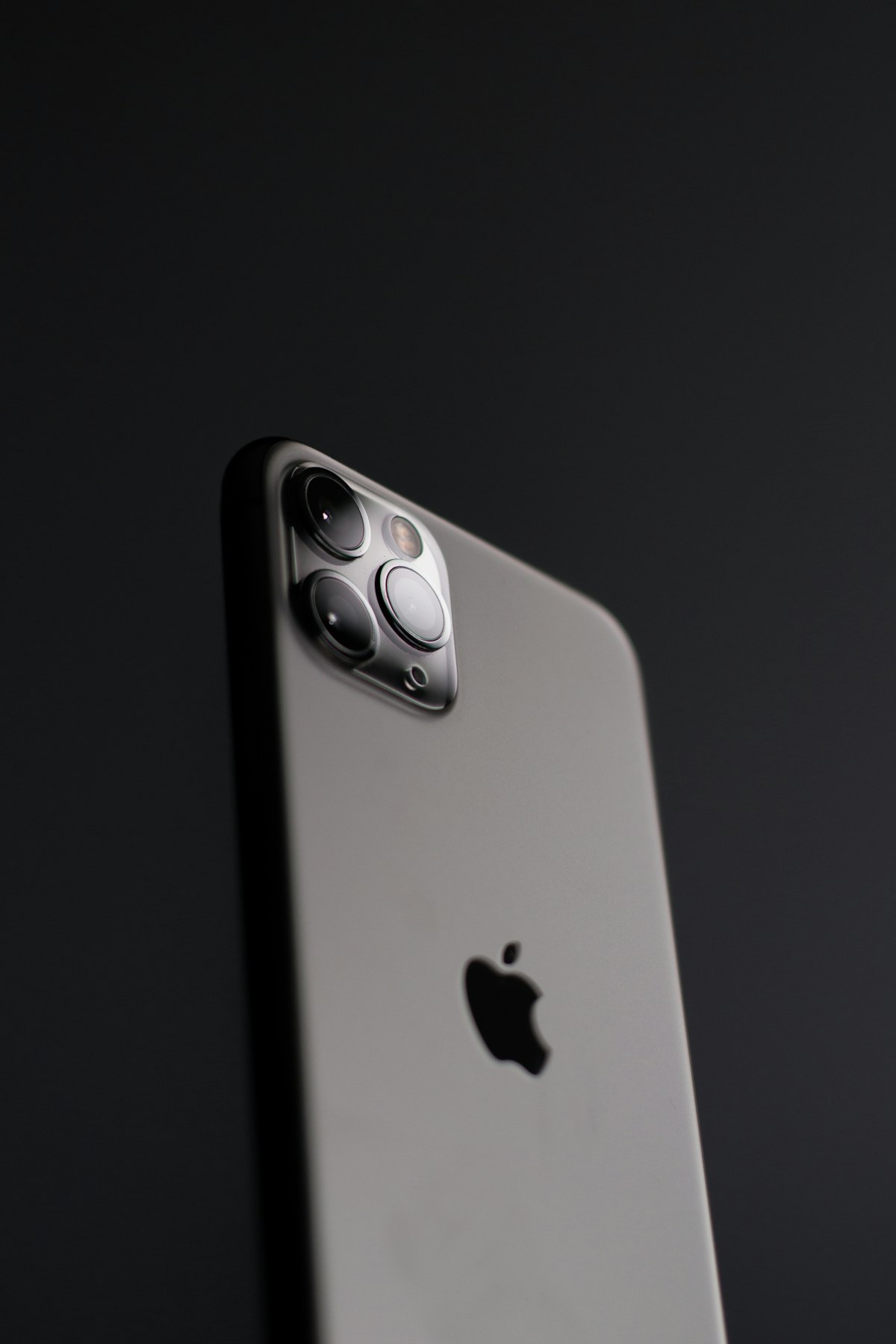
Apple's latest software release brings unprecedented generative AI capabilities to iPhones and Apple Watches, sparking intense user curiosity regarding activation latency, productivity shortcuts, and ecosystem performance. As tech analysts dissect the new features, early adopters weigh the practical benefits of revamped Siri integrations against hardware-specific frustrations.
By Nexvoro Tech Wire
PUBLISHED SAT, SEP 26, 2026 6:44 PM UTC • 7 MIN READ
The Siri AI Revolution Arrives with iOS 27
Apple Inc. has officially rolled out its highly anticipated software update, bringing sweeping generative artificial intelligence integrations to millions of devices worldwide. At the center of this massive technological shift is the completely revamped Siri AI engine, designed to process complex, multi-layered user queries with unprecedented speed and contextual awareness. Industry analysts and consumers alike have immediately begun testing the boundaries of the new software, asking critical questions about activation times, processing latency, and overall responsiveness across various hardware configurations.
According to early reporting from tech publications like BGR, a central point of discussion among early adopters revolves around the precise activation duration of the new Siri AI on iOS 27. While Apple has optimized its on-device neural engines to handle routine commands instantly, deep contextual searches and cross-application workflows require a fractional ramp-up period. This subtle shift in assistant behavior marks a fundamental departure from legacy voice assistants, trading instantaneous, rigid command-matching for deep, generative reasoning that securely parses user data across local storage and encrypted cloud nodes.
Productivity Boosters: Calendar Shortcuts and Notes Integration
Beyond basic conversational updates, iOS 27 introduces a suite of four must-try productivity features that significantly enhance daily workflow management, as detailed by Fast Company. Among the standout additions is a groundbreaking Siri AI calendar shortcut that intelligently parses unstructured text, emails, and messages to automatically schedule appointments, resolve scheduling conflicts, and send preliminary RSVP confirmations without manual user intervention. This deeply integrated scheduling assistant transforms the native calendar app from a passive ledger into an active, proactive time-management partner.
Concurrently, the Notes app has received a massive wave of artificial intelligence perks designed to streamline information capture and synthesis. Users can now leverage Siri to instantly summarize lengthy meeting transcripts, organize chaotic brainstorming bullets into structured project outlines, and cross-reference notes with related web data or recent communications. These productivity enhancements represent a major strategic push by Apple to capture enterprise users and power consumers who demand seamless multitasking capabilities directly within their mobile operating systems.
Screen Time Controls and Multi-Device Friction
In addition to productivity and AI upgrades, AP News highlights that iOS 27 comes equipped with revamped screen time controls and other practical system features aimed at promoting digital well-being. The redesigned parental and self-regulation dashboards offer granular insights into app usage patterns, utilizing predictive analytics to gently nudge users toward healthier device habits. These advanced controls provide customizable downtime schedules and intelligent notification filtering that learns user behavior over time, minimizing digital fatigue without completely cutting off essential connectivity.
However, the rollout has not been entirely uniform across Apple's expansive hardware lineup. Lifehacker recently reported on user frustrations encountered when trying out the new Siri AI capabilities on the newest Apple Watch models. While smartphone integration remains remarkably fluid, wearable hardware constraints introduce notable friction points, including delayed query processing, battery drain concerns, and occasional synchronization bottlenecks between the wrist-worn device and the host iPhone. These hardware-software discrepancies underline the engineering challenges Apple faces in scaling heavy AI workloads down to form factors with strict thermal and power envelopes.
Navigating the Next Era of Consumer AI
Tom's Guide outlines five essential features to try first with the newly upgraded Siri, pointing users toward advanced creative writing prompts, contextual photo searches, and real-time conversational translations that showcase the true potential of Apple's machine learning architecture. These capabilities demonstrate how far voice assistants have evolved from simple alarm-setters into sophisticated cognitive companions. Yet, as consumers test these features in real-world scenarios, the tech community continues to monitor how well Apple balances feature richness with system stability.
Ultimately, the launch of iOS 27 establishes a new baseline for consumer technology expectations regarding artificial intelligence on mobile devices. By integrating deep contextual awareness into everyday utilities like calendars, notes, and screen time management, Apple is attempting to redefine how humans interact with personal technology. As developers optimize their applications for the new Siri APIs and Apple fine-tunes activation latencies across diverse hardware tiers, iOS 27 stands as a pivotal milestone in the ongoing evolution of ubiquitous artificial intelligence.
Reporting synthesized under Nexvoro.tech Editorial Standards • Referenced via Google News US Technology
Verified Dispatch