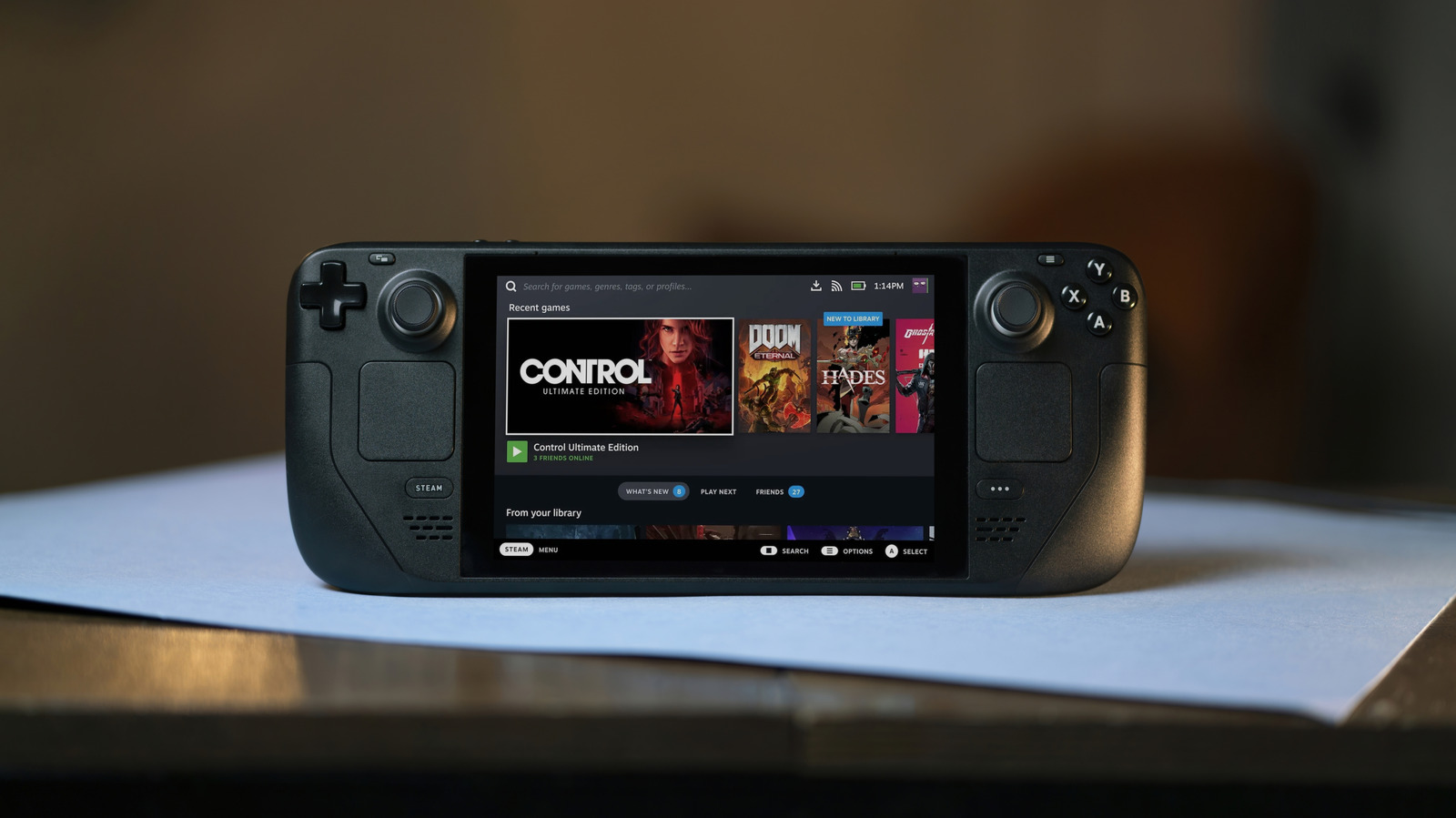
As mobile hardware evolution accelerates, we examine Valve's pioneering gaming handheld against a saturated market of next-generation competitors.
By Nexvoro Tech Wire
PUBLISHED SUN, SEP 6, 2026 5:22 AM UTC • 5 MIN READ
The Evolution of Handheld PC Gaming in the United States
When Valve initially introduced the Steam Deck, it fundamentally reshaped the consumer hardware landscape in North America, bridging the gap between console convenience and PC gaming flexibility. However, the technology sector moves at a relentless pace. As we navigate through 2026, the domestic market for mobile gaming PCs has matured exponentially. What was once a near-monopoly dominated by Valve’s aggressive pricing and SteamOS integration is now a fiercely contested battleground. Major hardware manufacturers and agile startups alike have flooded the US retail space with alternative form factors, higher-resolution displays, and vastly superior raw compute power.
Competitive Pressures and Technological Benchmarks
The contemporary landscape presents a complex value proposition for American consumers and tech investors. Competitors have successfully capitalized on the Steam Deck's relative stagnation in core processing power, particularly concerning AAA titles demanding heavy ray tracing and advanced upscaling technologies. While the original Steam Deck and its OLED iteration remain marvels of software optimization, newer contenders boast superior refresh rates, modular controllers, and Windows-native environments that bypass some of the compatibility hurdles inherent to Proton. Despite these hardware advancements, Valve maintains a distinct advantage through its user-friendly interface, seamless cloud saves, and an ecosystem designed specifically for the gaming lifestyle.
Economic Factors, Inflation, and US Market Dynamics
Macroeconomic headwinds, persistent supply chain shifts, and fluctuating component costs have also altered the acquisition calculus for US buyers. Higher price points across consumer electronics have forced a critical reassessment among budget-conscious gamers. Analysts tracking the sector note that while premium handhelds command higher price tags, they often struggle to match the sheer cost-to-performance ratio that defined the Steam Deck's early lifecycle. Regulatory scrutiny regarding right-to-repair initiatives and software ecosystem lock-in further complicates the long-term outlook for these devices across North American jurisdictions, signaling shifting dynamics that will likely reverberate throughout the fiscal quarter.
Strategic Outlook for Investors and Consumers
For industry observers and retail investors, the central question is whether Valve can maintain its market share without an immediate successor to the original architecture. Market analysts anticipate further commercial maneuvers from competitors as the holiday shopping seasons approach, forcing Valve to either accelerate its hardware roadmap or rely heavily on software-driven differentiation. Ultimately, whether the Steam Deck remains a viable purchase in 2026 depends entirely on individual consumer priorities: raw graphical horsepower versus a polished, console-like operating system backed by unmatched platform longevity.
Reporting synthesized under Nexvoro.tech Editorial Standards • Referenced via Engadget
Verified Dispatch