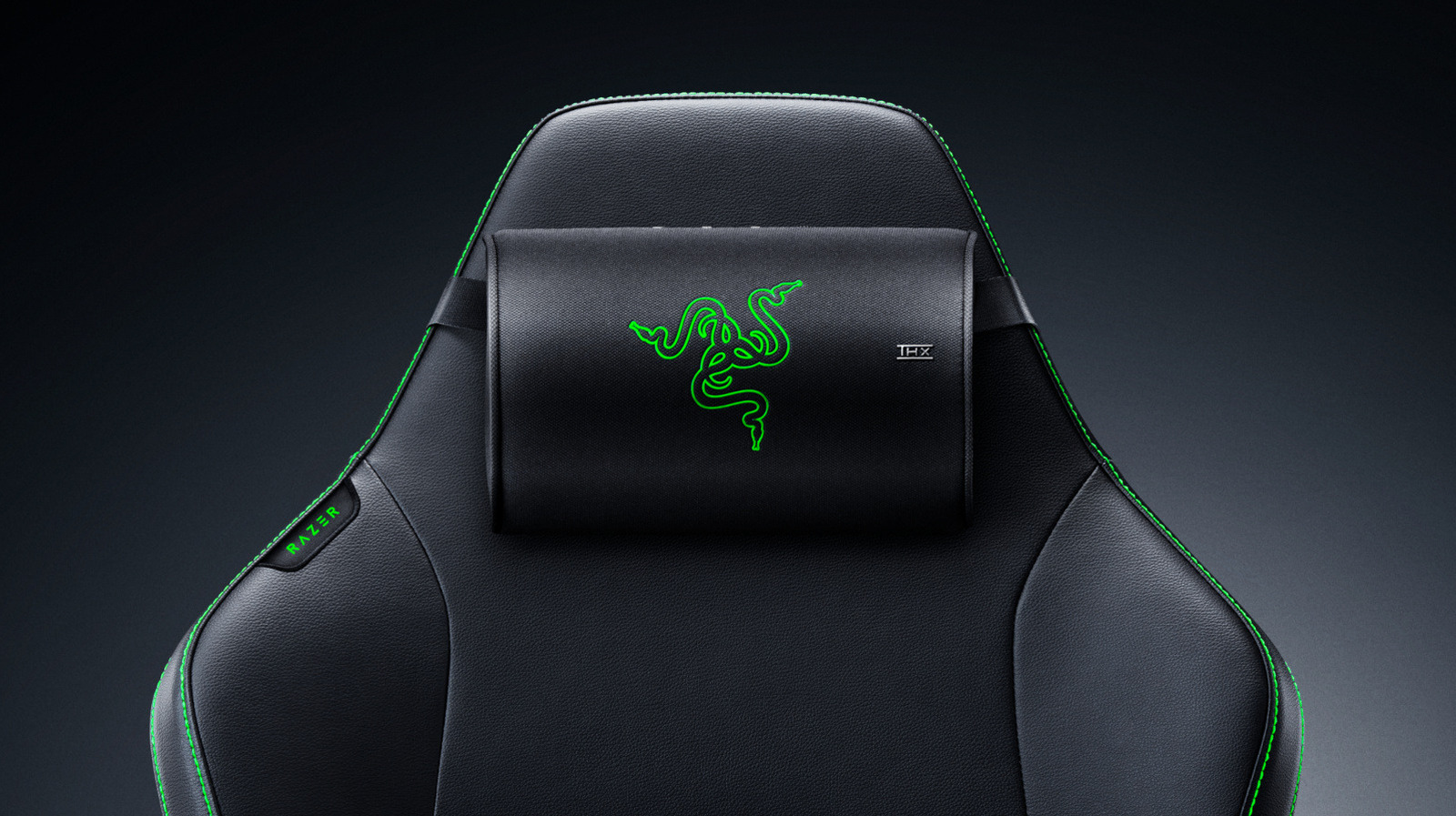
Gaming lifestyle giant Razer is scaling down its ambitious head-cushion wireless audio ecosystem with the debut of the Clio X, targeting value-conscious hybrid professionals and home-office setups. As consumer discretionary spending contracts, this hardware pivot highlights a broader industry shift toward affordable ergonomic accessories.
By Nexvoro Tech Wire
PUBLISHED SAT, SEP 5, 2026 2:55 PM UTC • 7 MIN READ
The Evolution of Personal Acoustic Engineering
For decades, the standard paradigm of personal computing audio has remained remarkably static: traditional over-ear headphones that isolate the user from their physical environment, or desk-bound stereo monitors that bleed sound into shared living and working spaces. When lifestyle hardware titan Razer first introduced the original Clio head-cushion speaker, it represented an audacious attempt to bridge this divide. By embedding directional, near-field audio directly into a specialized headrest, Razer sought to create an immersive, haptic-rich acoustic envelope that freed users from the fatigue of head-clamp designs.
However, the luxury price point of the original iteration limited its footprint primarily to enthusiast circles and deep-pocketed content creators. Enter the Razer Clio X: a streamlined, cost-optimized successor engineered to capture the massive, underserved middle tier of the hybrid work and gaming markets. By stripping away non-essential luxury finishes while preserving core acoustic fidelity, Razer is positioning the Clio X not merely as an esoteric gaming accessory, but as a serious contender in the burgeoning ergonomics-meets-audio category. As enterprise employees and independent contractors alike continue to invest in home-office infrastructure, the demand for non-intrusive, high-clarity sound solutions has never been more pronounced.
Dissecting the Hardware: Balancing Cost and Performance
Achieving a lower price point without degrading the user experience requires rigorous engineering compromises. In designing the Clio X, Razer’s hardware division had to re-evaluate every component of the original Clio architecture. While the foundational concept remains identical—a contoured memory-foam head cushion outfitted with integrated wireless drivers—the Clio X utilizes a refined acoustic chamber design that optimizes sound projection directly toward the user’s ears while minimizing ambient bleed.
Connectivity and latency management remain critical vectors for any wireless peripheral targeting productivity and gaming applications. The Clio X leverages advanced Bluetooth protocols designed to maintain a stable, low-latency audio stream, ensuring seamless performance whether a user is participating in a high-stakes enterprise Zoom call or engaging in a multi-hour gaming session. Furthermore, the ergonomics have been meticulously tuned to fit a broader array of third-party office and gaming chairs. By focusing on universal mounting compatibility, Razer is systematically removing the friction points that typically deter mainstream consumers from adopting proprietary hardware ecosystems.
The Macroeconomic Reality: Navigating Consumer Discretionary Fatigue
Razer’s strategic pivot with the Clio X arrives at a pivotal macroeconomic juncture. Across the consumer technology sector, tier-one manufacturers are grappling with softening demand for high-ticket peripheral upgrades. Following the pandemic-era buying surge, consumers and enterprise buyers alike have grown increasingly judicious with discretionary technology budgets. Inflationary pressures and broader macroeconomic uncertainties have forced hardware brands to re-examine their product roadmaps, shifting emphasis from ultra-premium flagships to value-driven alternatives that deliver high perceived utility.
By introducing a more accessible variant of a niche product, Razer is demonstrating acute market responsiveness. The Clio X allows the company to defend its market share against aggressive white-label competitors while protecting profit margins through optimized manufacturing processes. For Wall Street analysts and industry watchers, this move signals a mature corporate strategy: rather than doubling down exclusively on luxury hardware, Razer is building a resilient, tiered product portfolio capable of weather-proofing its revenue streams against consumer spending fluctuations.
The Competitive Landscape and the Ergonomic Audio Wars
The launch of the Clio X also intensifies the battleground within the ergonomic workspace sector. Traditional office furniture manufacturers, high-end audio brands, and gaming lifestyle companies are increasingly colliding in the same digital-native real estate. Competitors ranging from specialized acoustic startups to established office ergonomics giants are racing to capture the attention of the modern knowledge worker, who views comfort and sensory optimization as essential productivity drivers.
Unlike traditional desktop speakers, which suffer from room acoustics and positioning constraints, headrest-integrated audio offers a controlled, predictable listening environment regardless of the user's physical room layout. This architectural advantage positions products like the Clio X uniquely well against conventional soundbars and desktop monitors. However, Razer must still overcome consumer skepticism regarding the necessity of a dedicated head-cushion speaker when conventional headsets remain ubiquitous. Winning this psychological battle will depend heavily on sustained user education and frictionless trial experiences.
Strategic Outlook: Redefining the Modern Work-Play Continuum
Looking ahead, the trajectory of the Clio X will serve as an instructive bellwether for the convergence of wellness, ergonomics, and personal audio. As the boundaries between corporate workstations and home entertainment centers continue to dissolve, hardware ecosystems that seamlessly accommodate both worlds are destined to capture disproportionate mindshare.
For Razer, the success of this product line could pave the way for deeper integration of haptic feedback, spatial audio calibration, and smart-office connectivity within everyday seating furniture. Whether the Clio X becomes a mainstream staple of the modern home office or remains a clever niche peripheral will depend on its real-world execution and user adoption rates. What remains indisputable, however, is that Razer is aggressively charting the course for the next generation of ambient personal computing.
As enterprise procurement departments and remote workers continue to prioritize workspace ergonomics, innovations that reduce physical strain while enhancing auditory immersion will undoubtedly command a central role in the evolution of the digital workstation.
Reporting synthesized under Nexvoro.tech Editorial Standards • Referenced via Engadget
Verified Dispatch