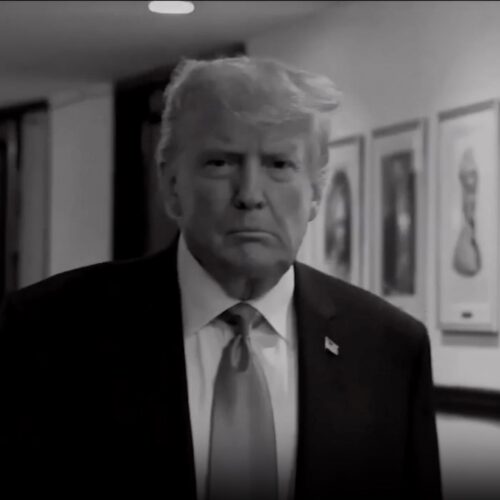
The U.S. Senate has voted 77-22 to pass the Protect College Sports Act, drawing praise from former President Donald Trump and signaling a massive shift in the governance and legal landscape of collegiate athletics. The bipartisan legislative push, championed by figures including Senator Ted Cruz, fundamentally redefines the NCAA's regulatory authority.
By Nexvoro Tech Wire
PUBLISHED TUE, SEP 29, 2026 10:35 PM UTC • 6 MIN READ
A Legislative Earthquake on Capitol Hill
In a decisive 77-22 vote that caught the attention of sports executives and political observers alike, the United States Senate officially passed the Protect College Sports Act. This sweeping legislative measure marks one of the most substantial federal interventions in the history of amateur and collegiate athletics, aiming to bring order to an ecosystem that has faced unprecedented legal and financial disruption in recent years. The overwhelming bipartisan support underscores a growing consensus in Washington that the current decentralized state of college sports threatens the long-term viability of academic athletic programs nationwide.
Former President Donald Trump quickly stepped forward to celebrate the legislative milestone, praising the Senate's action as a critical victory for fairness, stability, and institutional tradition in sports. Trump's vocal backing of the bill highlights how deeply intertwined modern athletics have become with national political discourse. As athletic departments grappled with a patchwork of state-level name, image, and likeness (NIL) laws and mounting antitrust litigation, federal lawmakers stepped in to construct a standardized regulatory framework that proponents argue is desperately needed.
The Evolution of Ted Cruz and Bipartisan Dealmaking
The path to passing the Protect College Sports Act revealed a fascinating evolution within the halls of Congress, most notably demonstrated by the legislative maneuvering of Senator Ted Cruz. Once known primarily as a partisan gadfly willing to disrupt standard legislative procedures, Cruz successfully refashioned himself as a master bipartisan dealmaker to shepherd this complex sports bill through the upper chamber. By bridging deep ideological divides and working across the aisle, Cruz crafted a coalition capable of commanding a robust 77-22 supermajority.
Political analysts note that the negotiations required delicate compromises to address the competing interests of major athletic conferences, mid-major programs, athlete advocacy groups, and traditional university administrators. Cruz's ability to forge consensus on an issue as contentious as college sports governance marks a significant milestone in modern congressional strategy. The resulting bill balances the economic realities of modern collegiate athletics with necessary statutory protections to ensure competitive balance across Division I programs.
Restoring the NCAA's Authority in a New Era
For years, the National Collegiate Athletic Association (NCAA) found itself cast in the role of the primary villain, besieged by relentless antitrust lawsuits, player rebellion, and public criticism over its handling of amateur compensation and transfer rules. However, the passage of the Protect College Sports Act signals a dramatic pendulum swing. Federal lawmakers are actively seeking to put the NCAA back in charge, granting the governing body renewed legal protections and standardized authority to oversee athletic conferences, recruitment, and compliance.
Industry insiders and legal experts suggest that this legislative lifeline is designed to shield the NCAA from the existential threat of endless litigation. By codifying specific operating parameters at the federal level, the act effectively preempts conflicting state statutes that have created regulatory chaos for athletic directors nationwide. Universities and conference commissioners have largely welcomed the move, arguing that a unified federal standard is the only way to preserve the historic traditions of collegiate sports while adapting to the modern economic landscape.
What Happens Next: The Road Ahead for Collegiate Athletics
As the legislative focus shifts from the Senate to the House of Representatives, stakeholders across the sports industry are anxiously analyzing the text of the Protect College Sports Act to determine its practical implications. Legal challenges from athlete advocacy groups and labor organizations are widely anticipated, setting the stage for high-stakes constitutional debates in federal courts. Questions regarding athlete employment status, collective bargaining rights, and revenue sharing remain central to the ongoing transformation of college sports.
Athletic departments must now prepare for a transitional period as conferences align their internal governance models with the new federal standards. While fans and alumni celebrate the prospect of renewed stability and preserved regional rivalries, university presidents face the complex task of implementing compliance frameworks that satisfy both the newly empowered NCAA and federal oversight bodies. The coming months will prove critical in determining whether the Protect College Sports Act successfully stabilizes collegiate athletics or merely opens a new chapter of legal and administrative conflict.
Reporting synthesized under Nexvoro.tech Editorial Standards • Referenced via Google News US Sports
Verified Dispatch